|
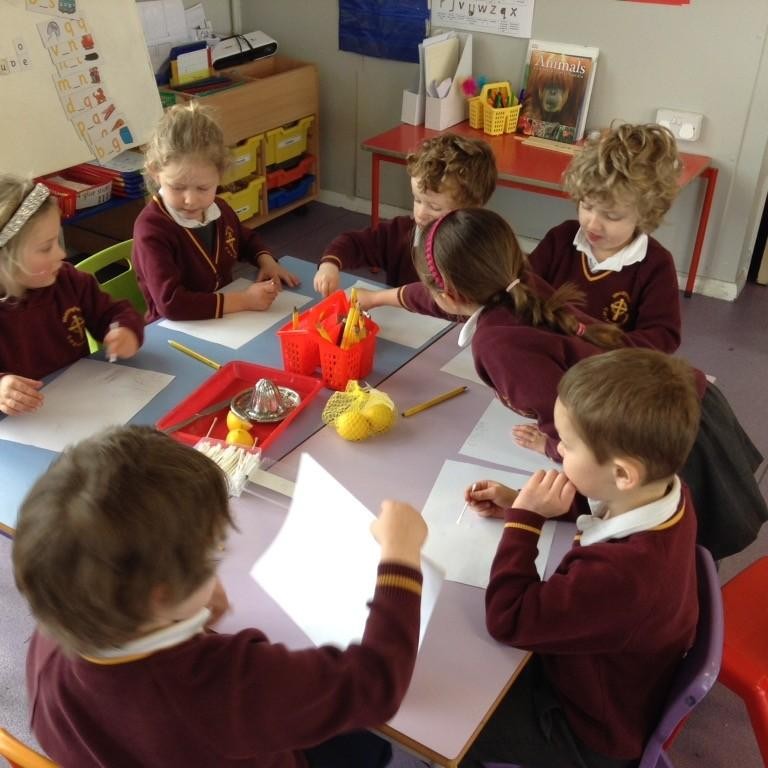
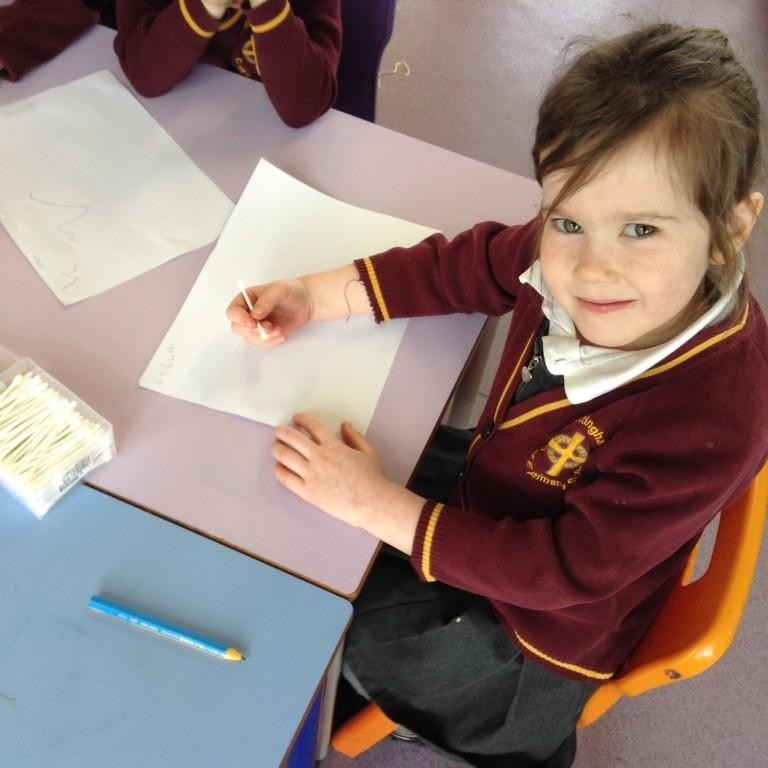
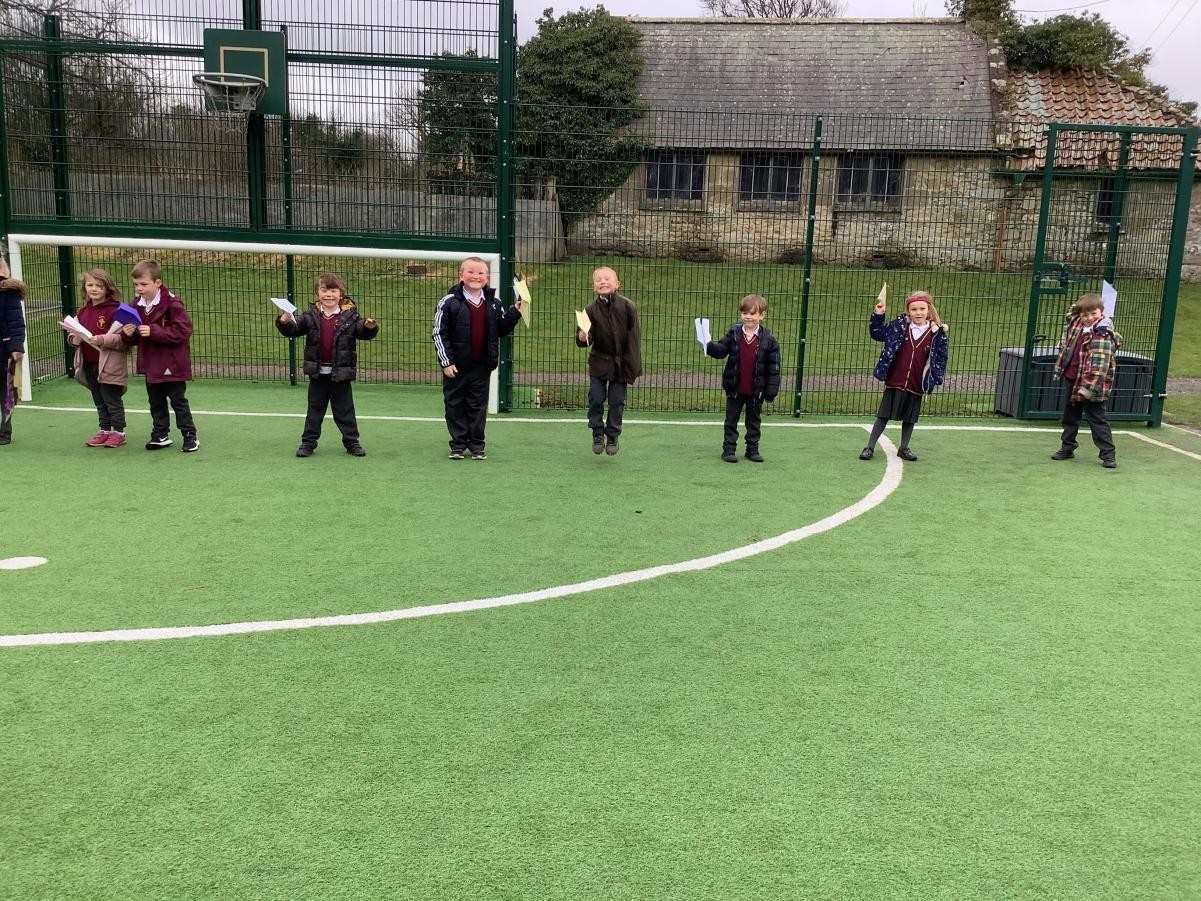
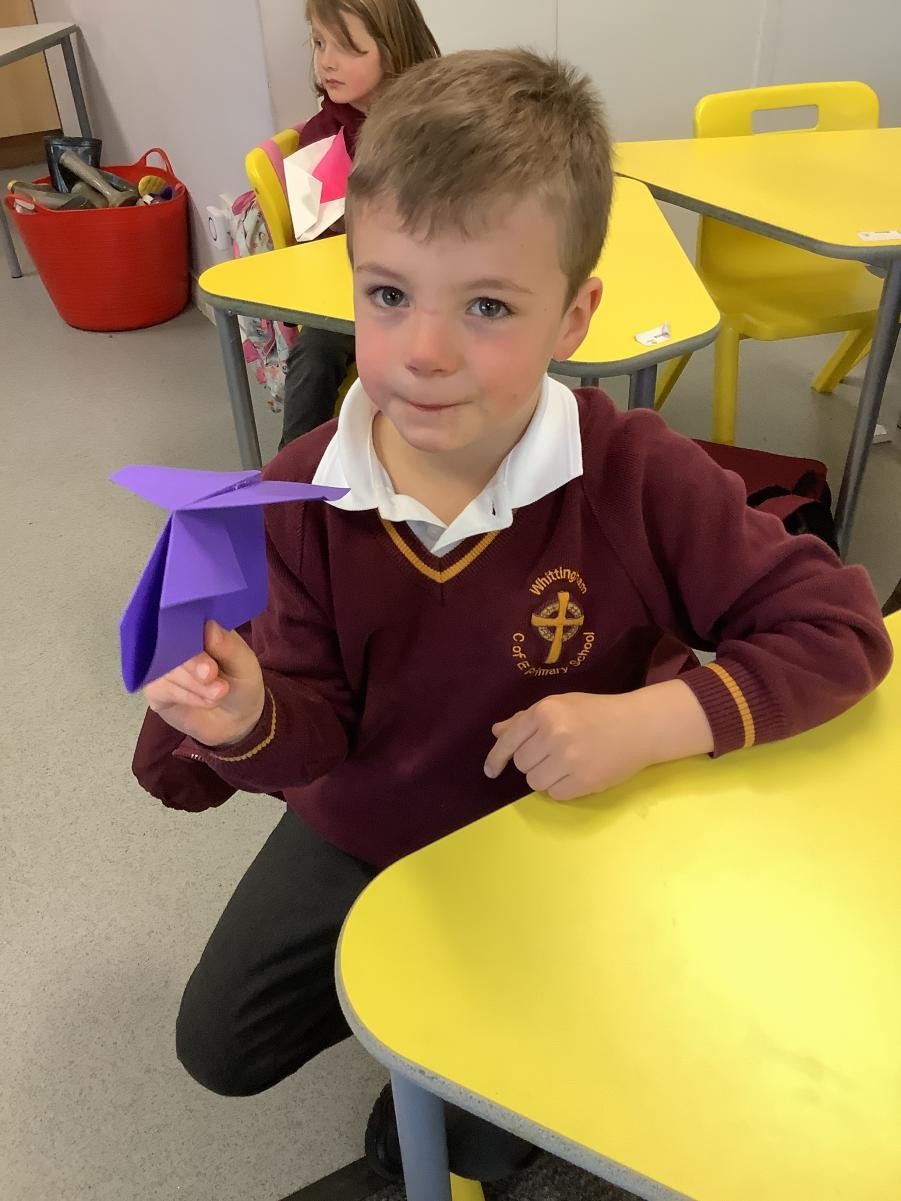
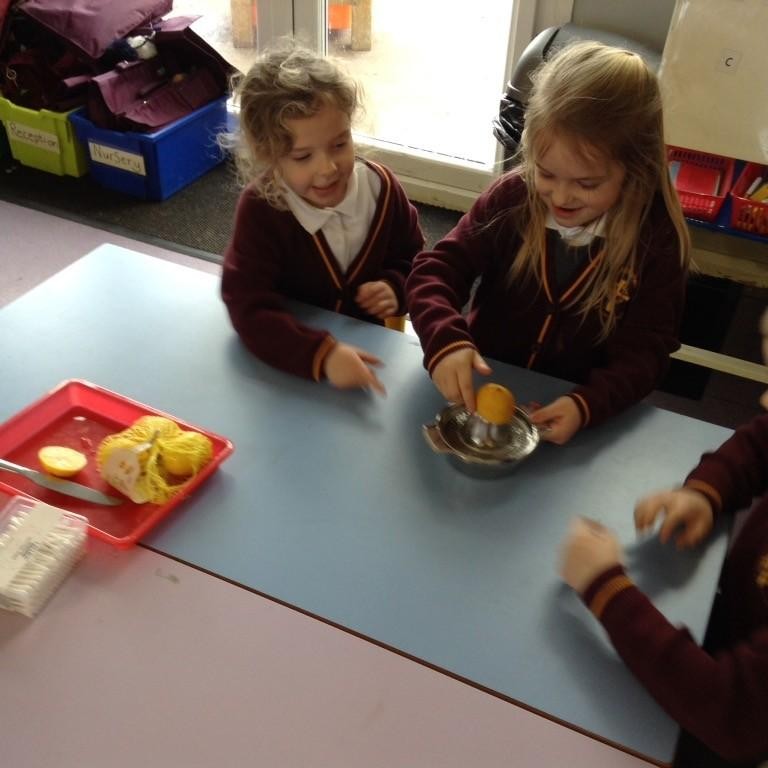
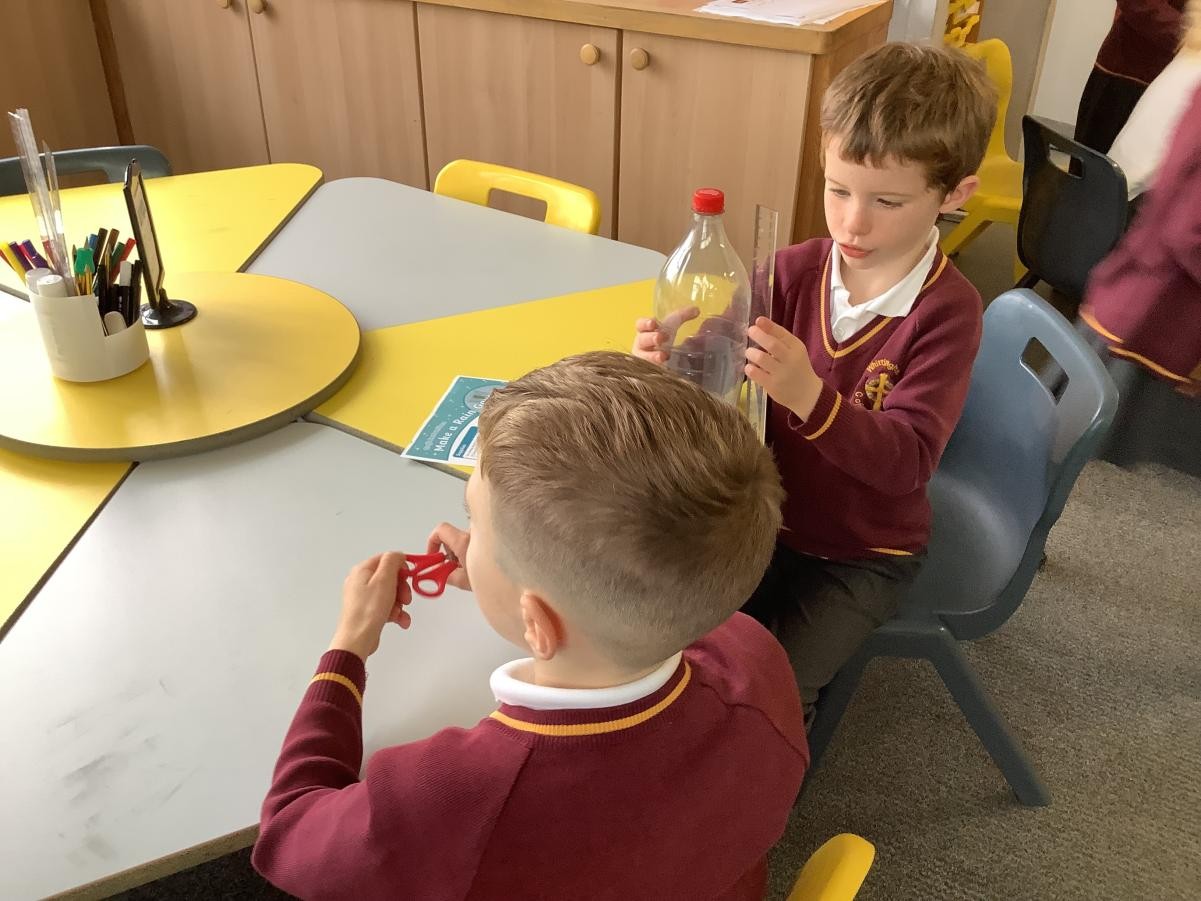
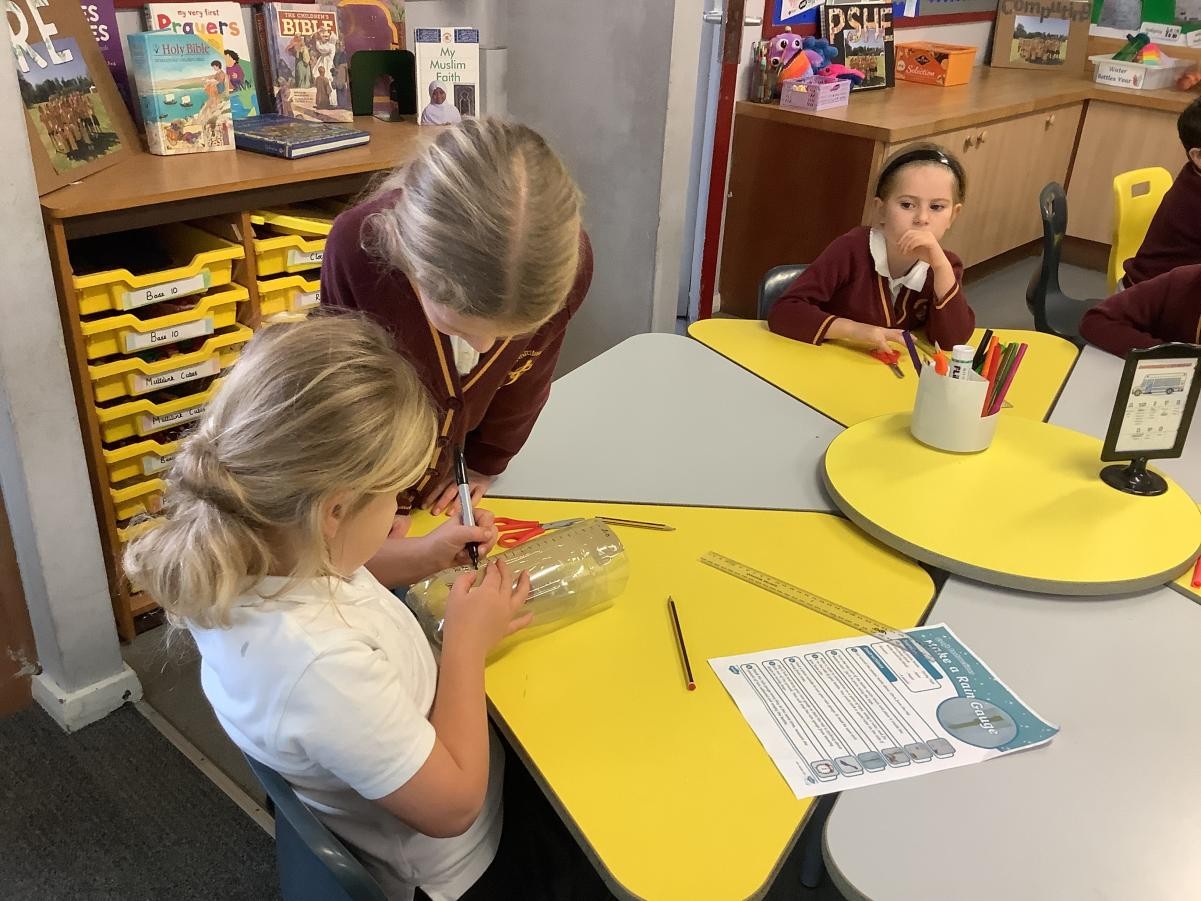
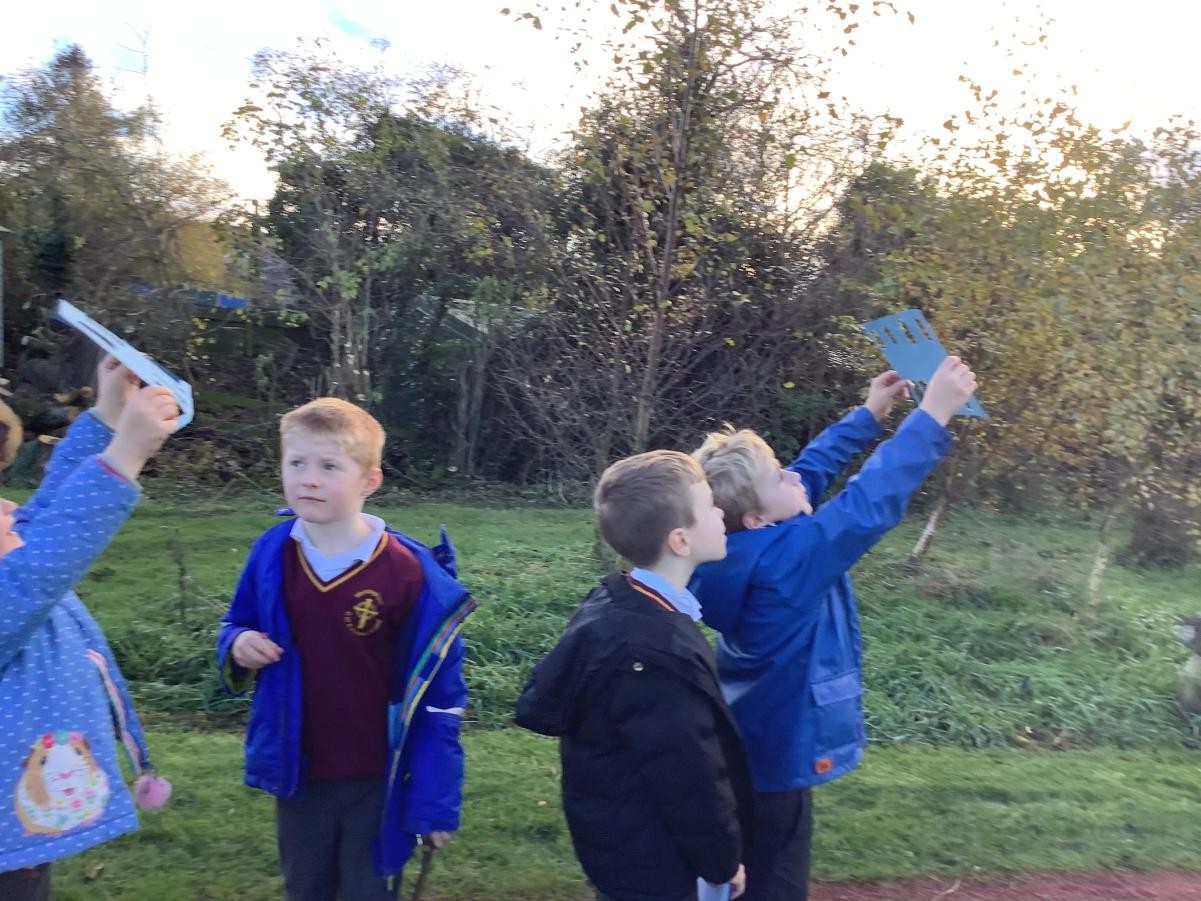
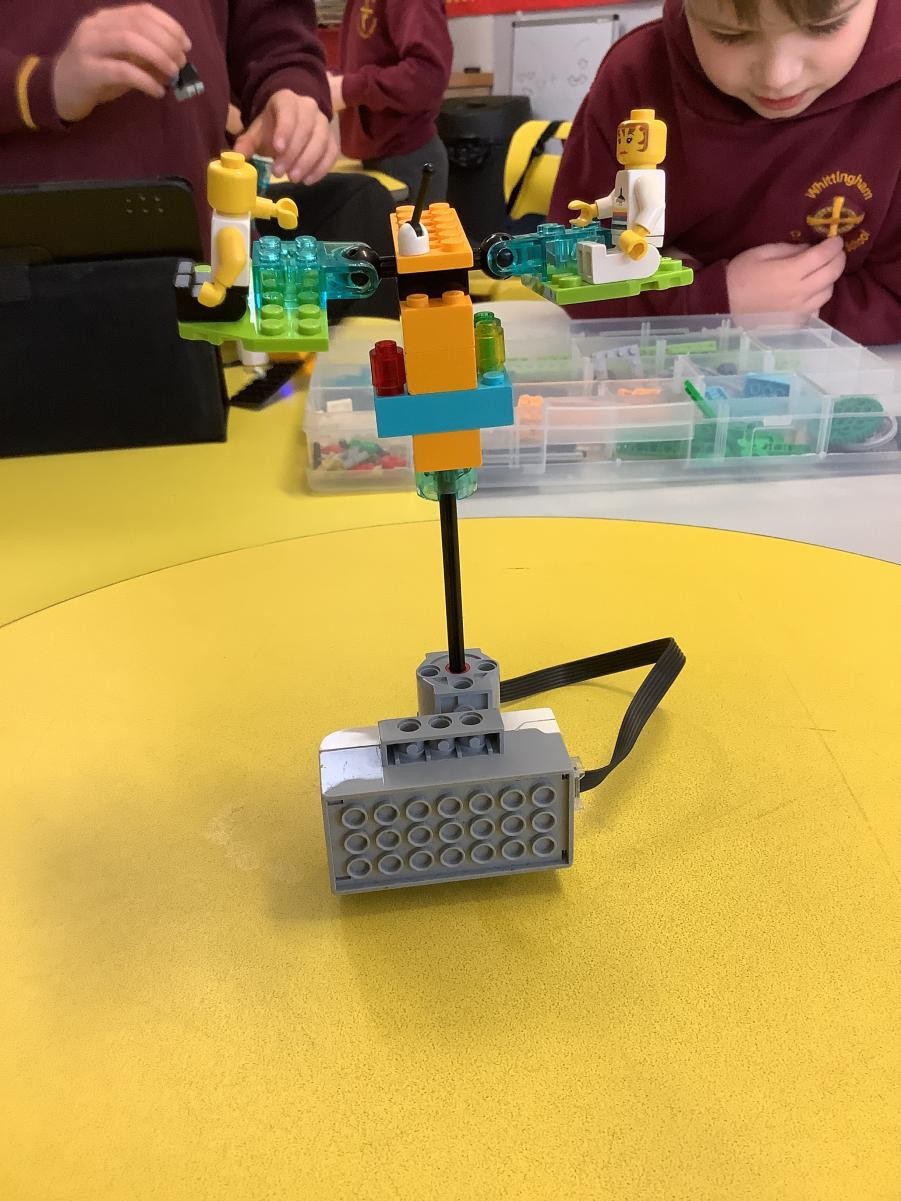
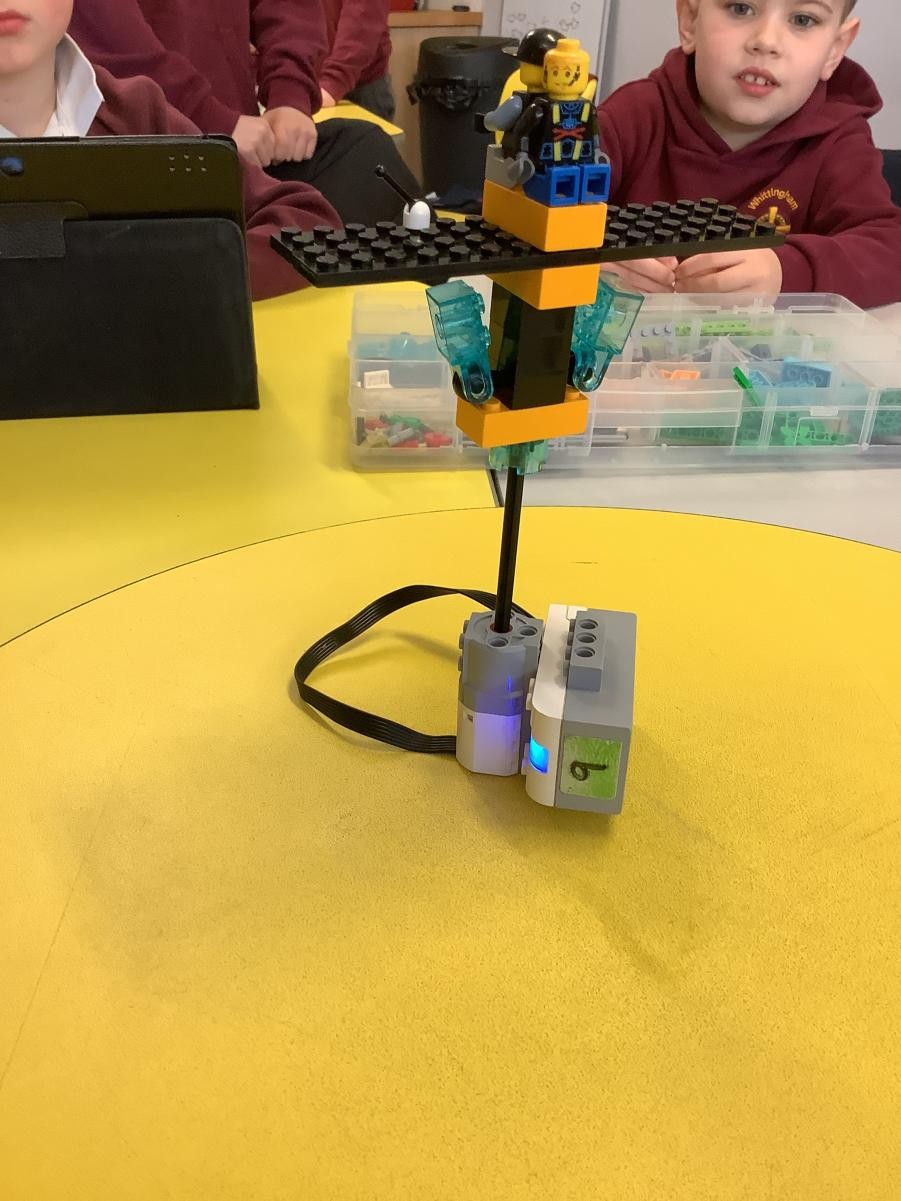
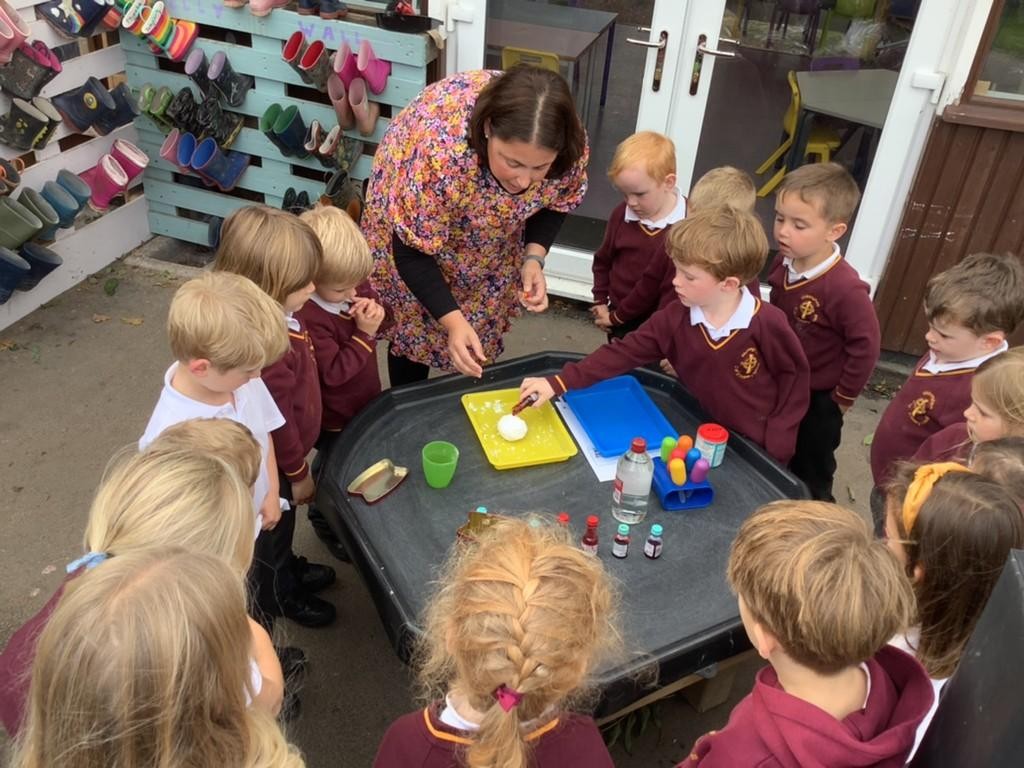
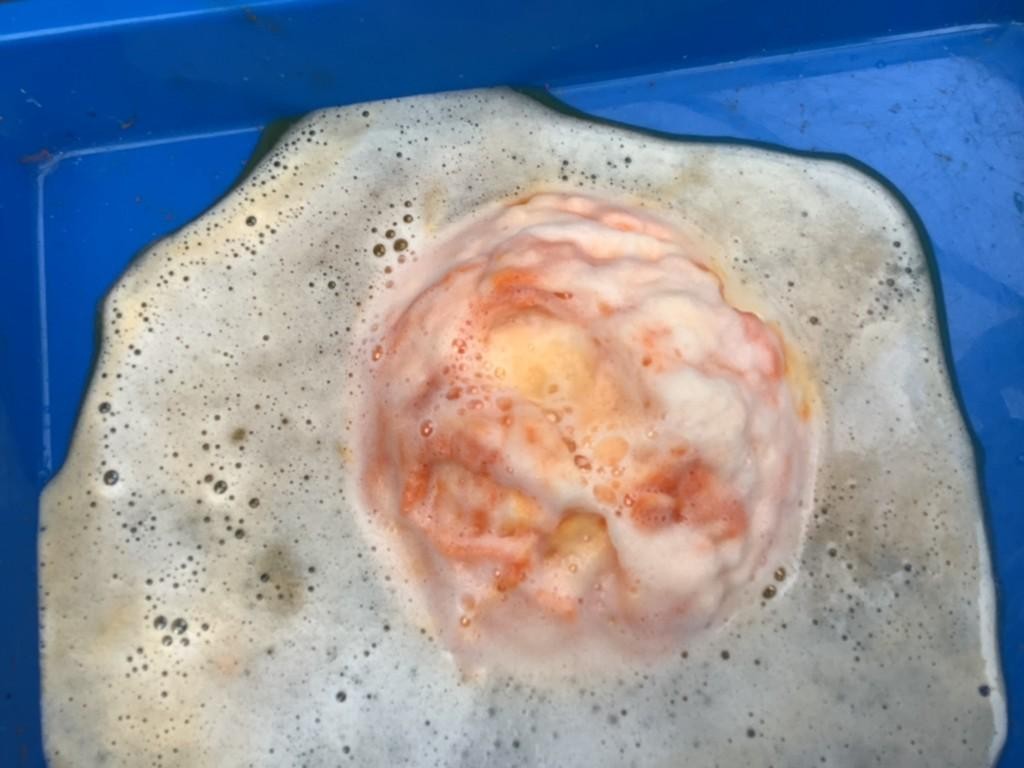
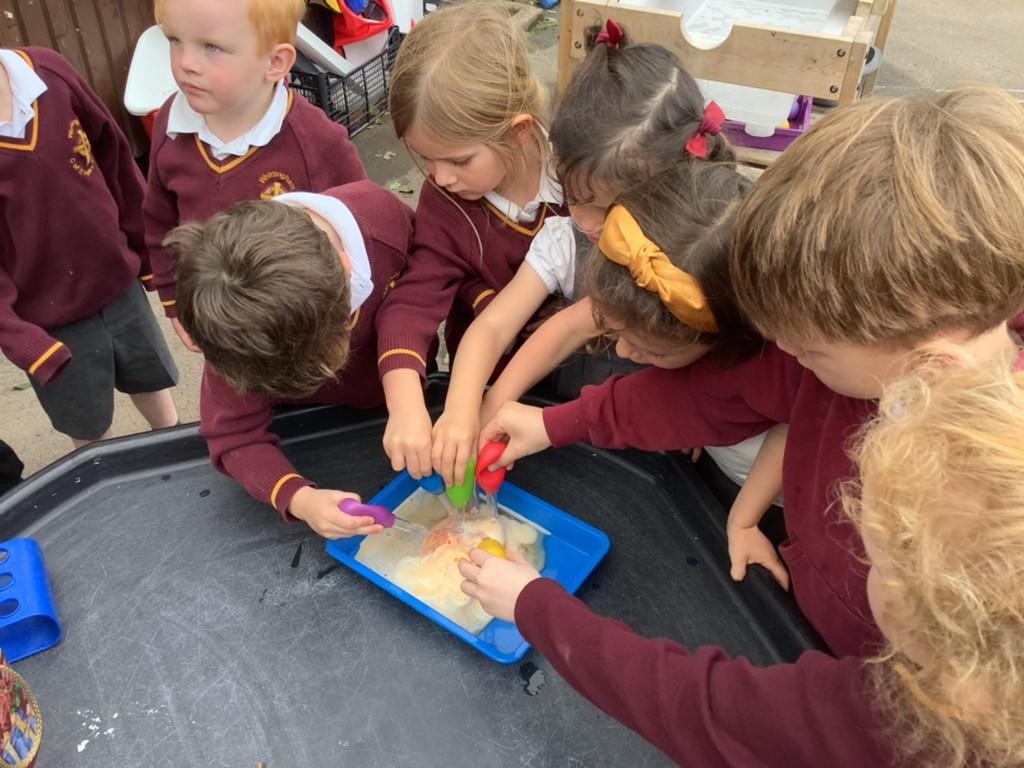
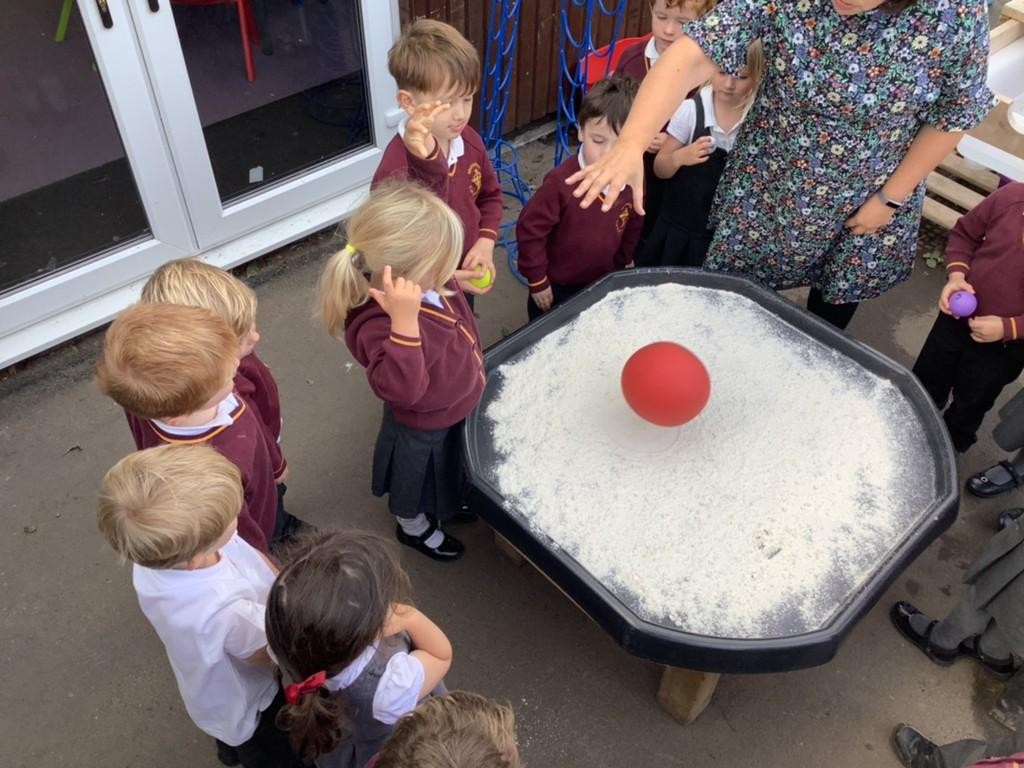
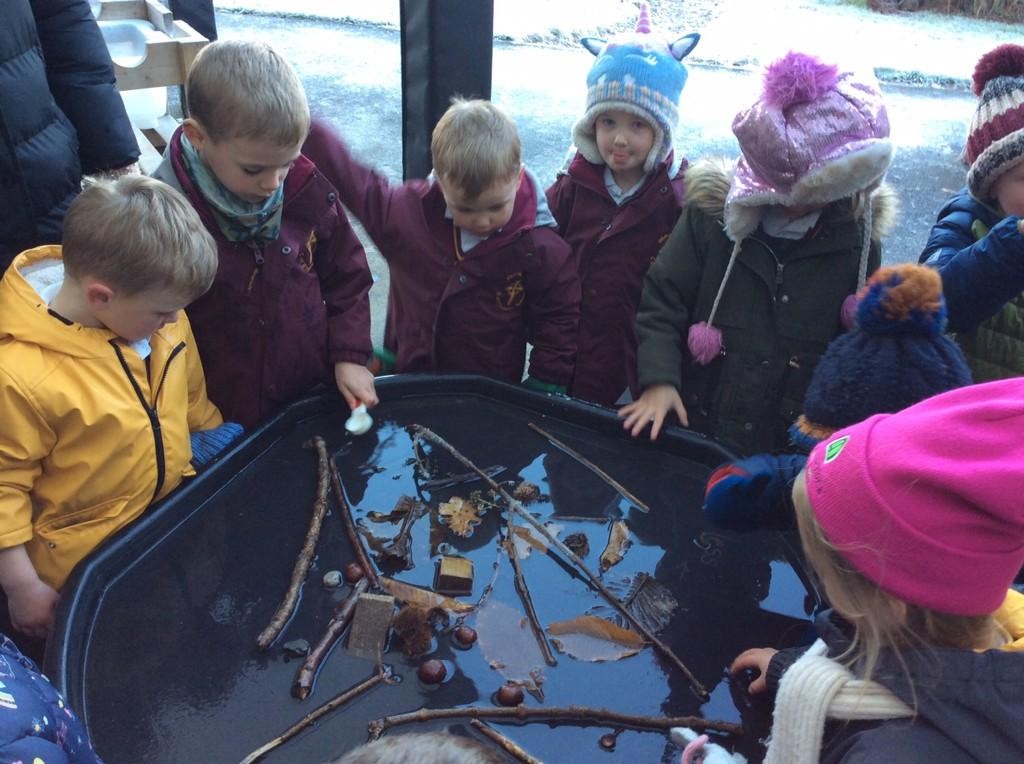
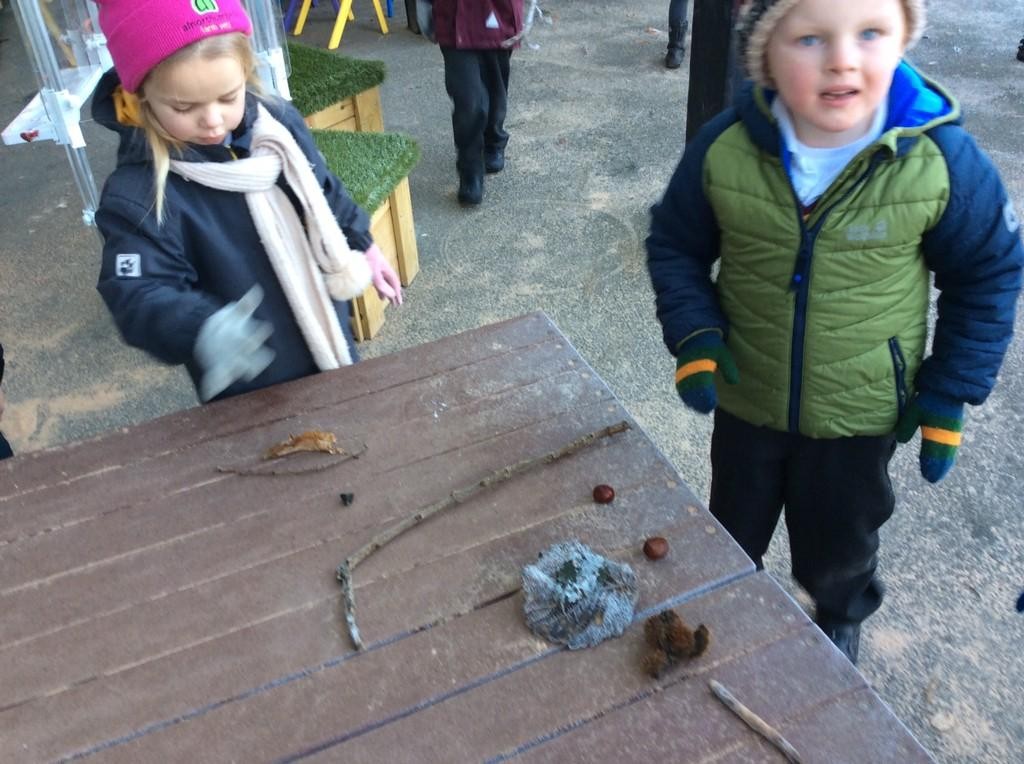
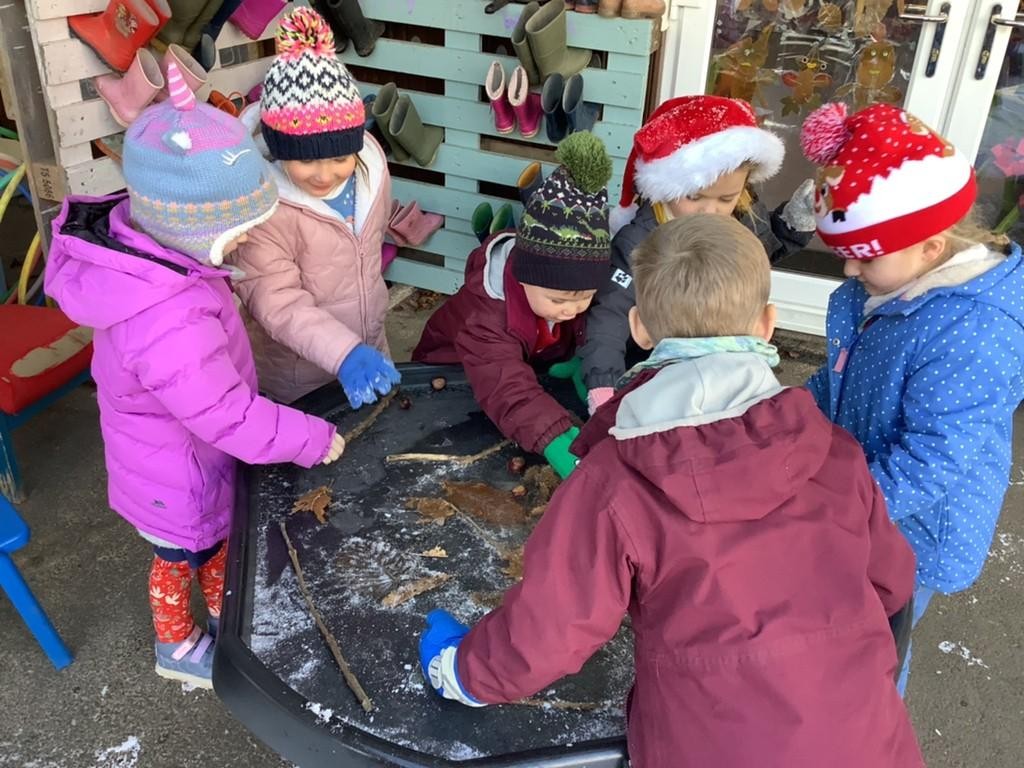
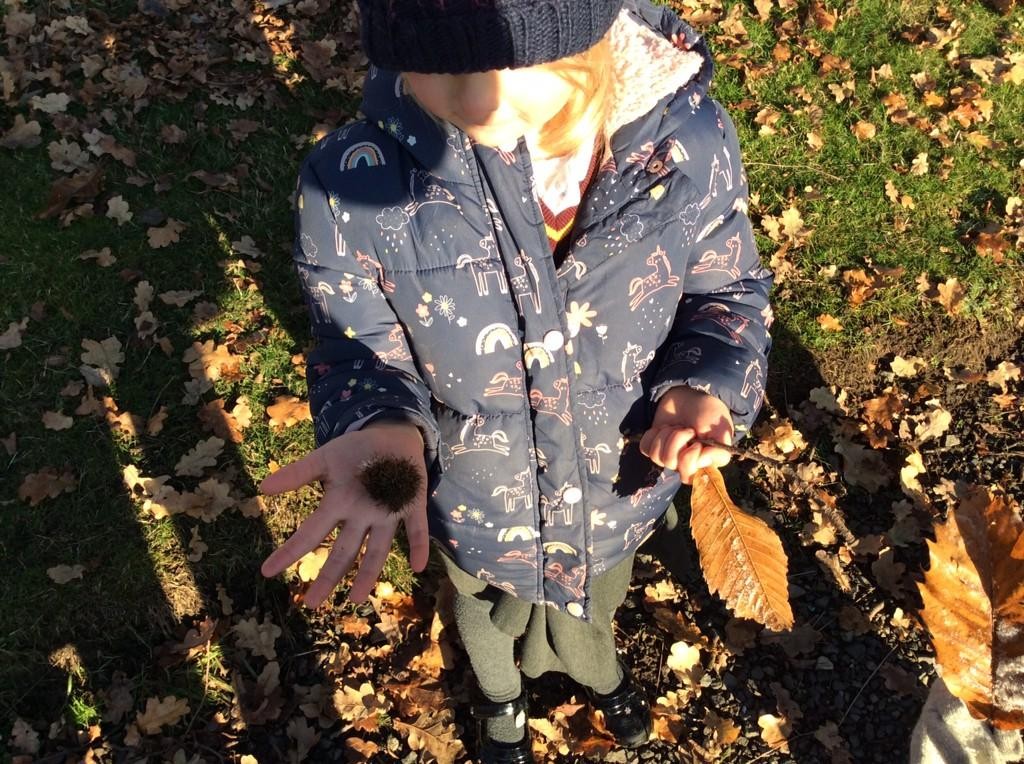
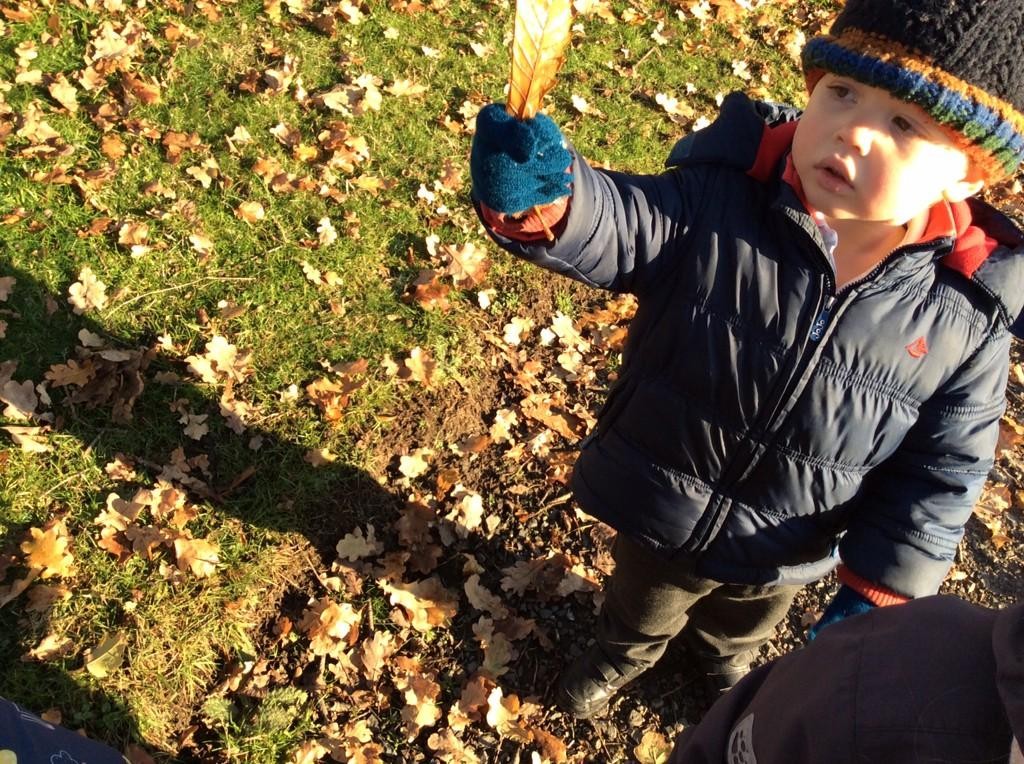
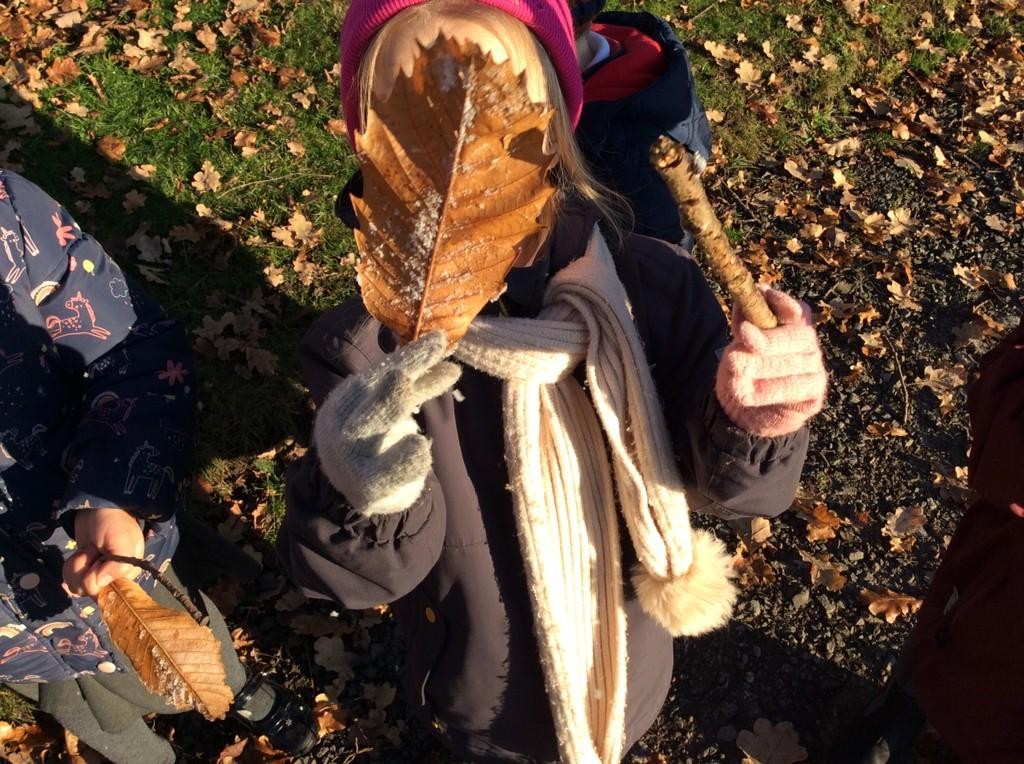
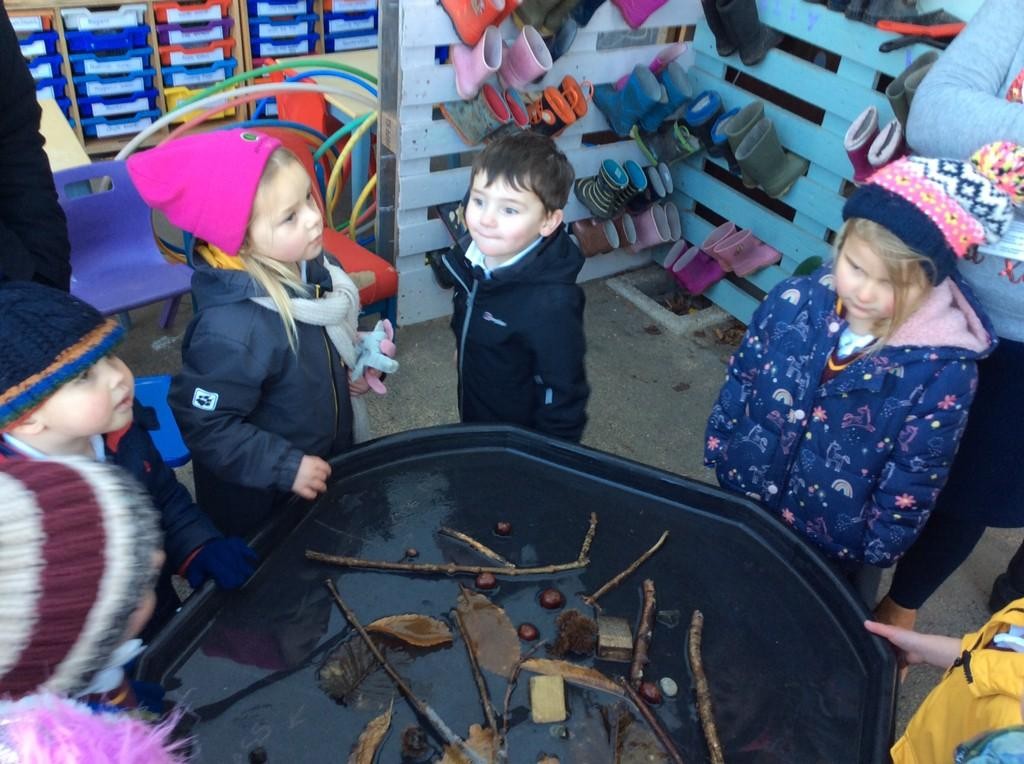
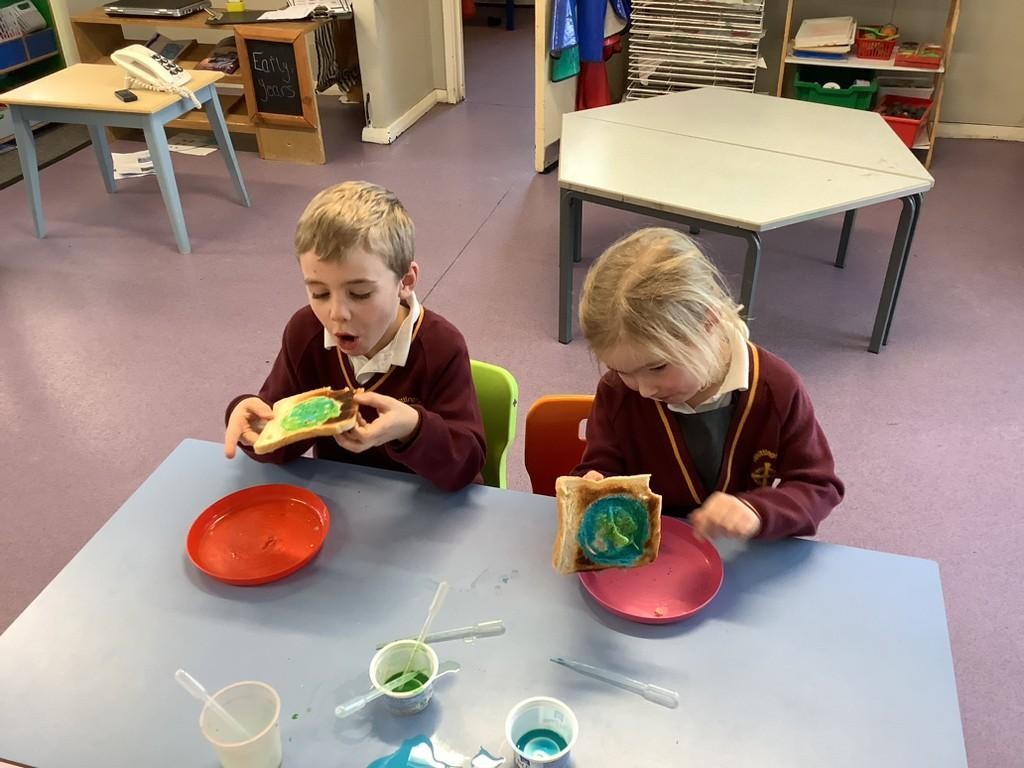
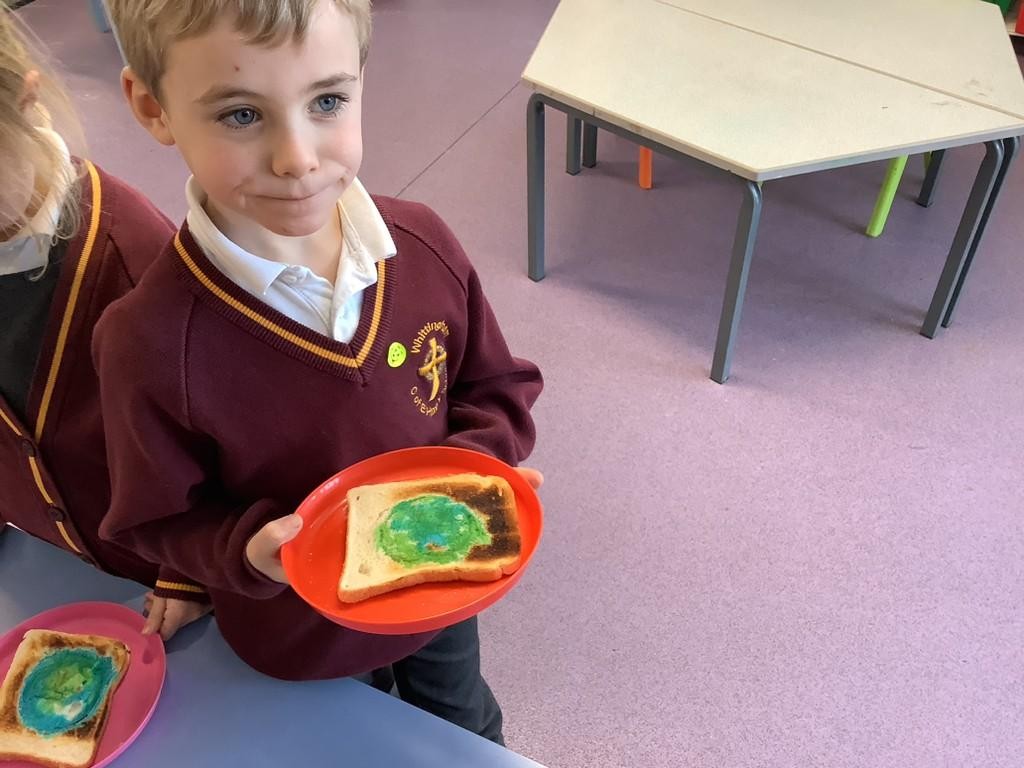
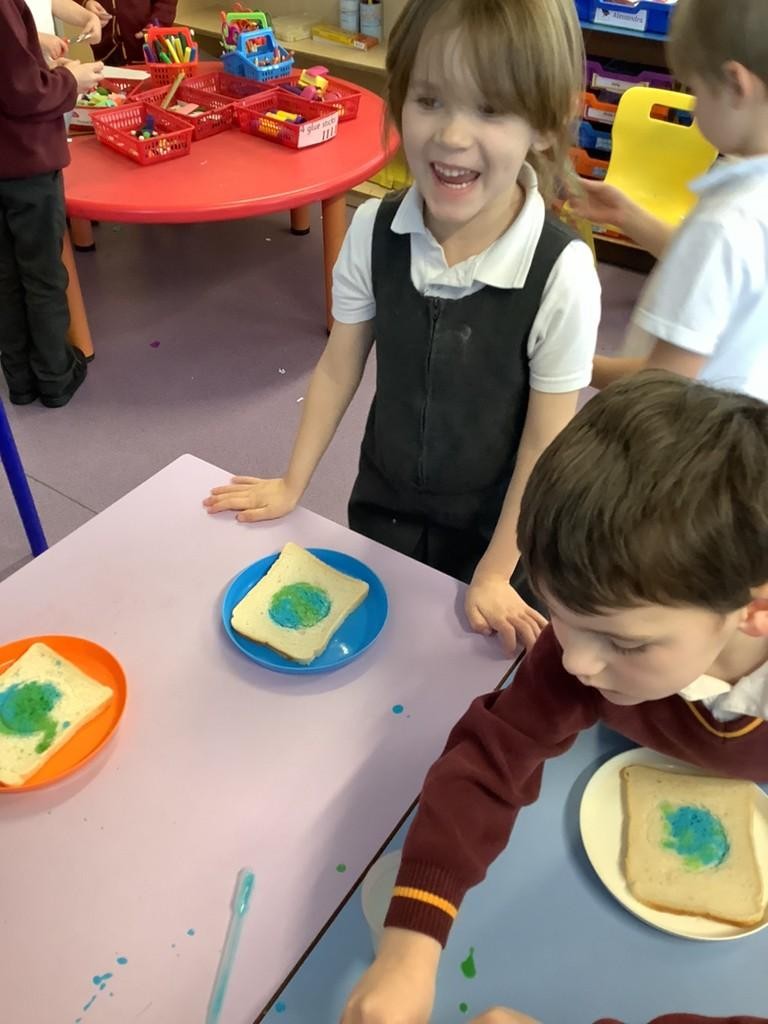
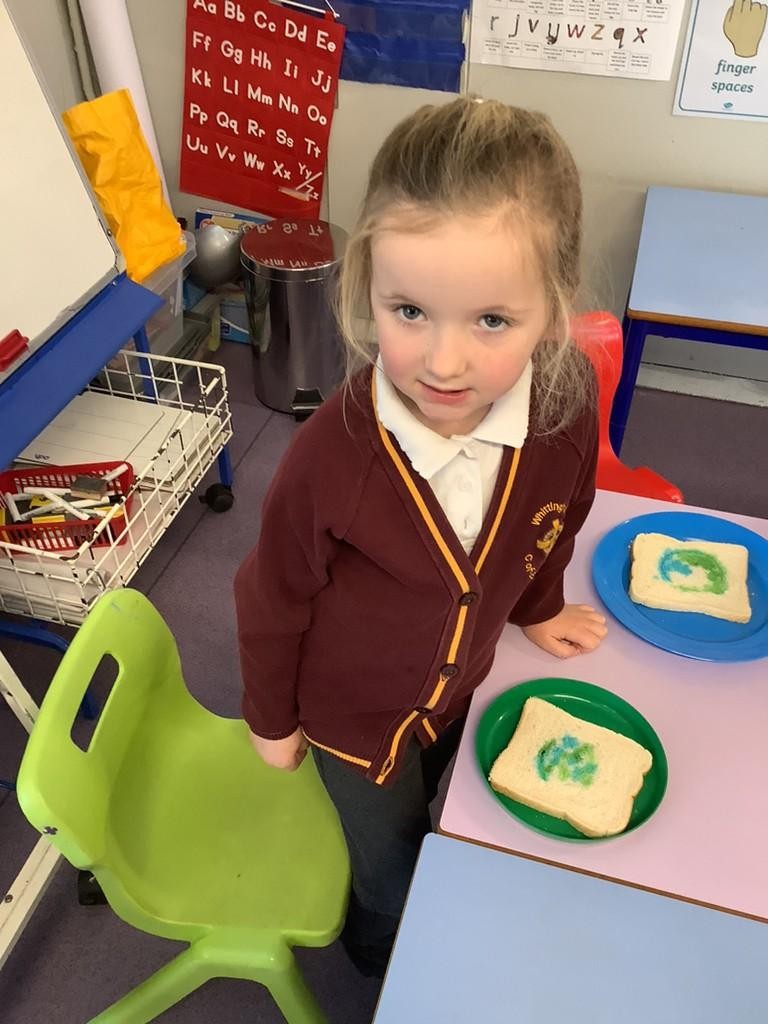
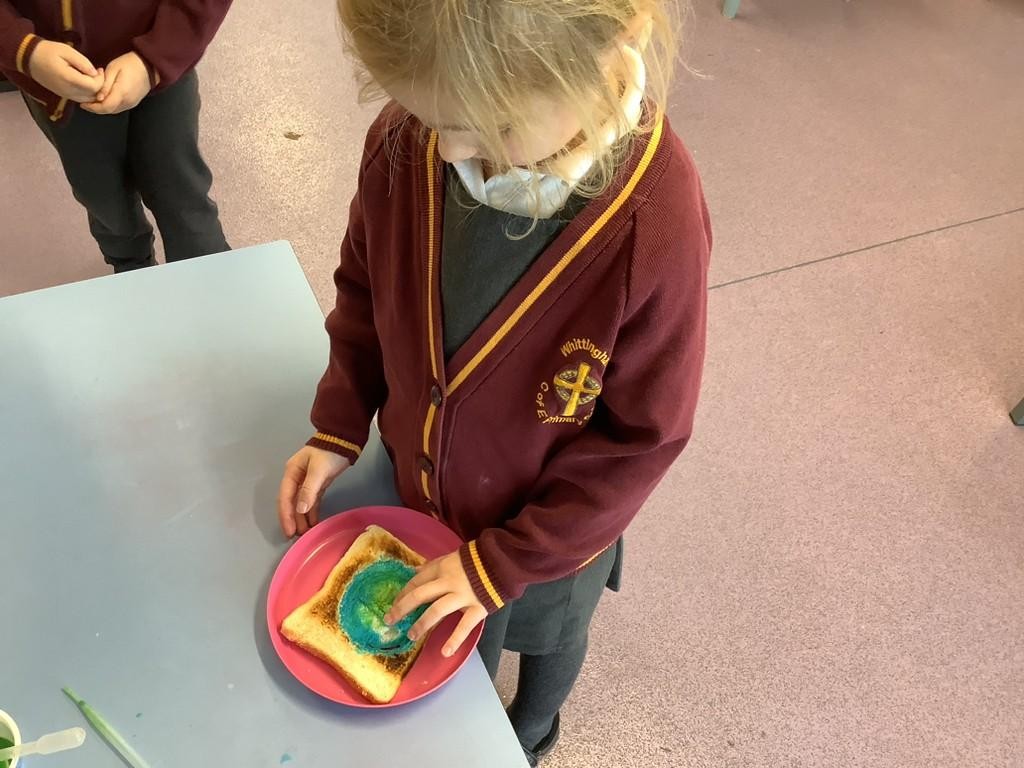
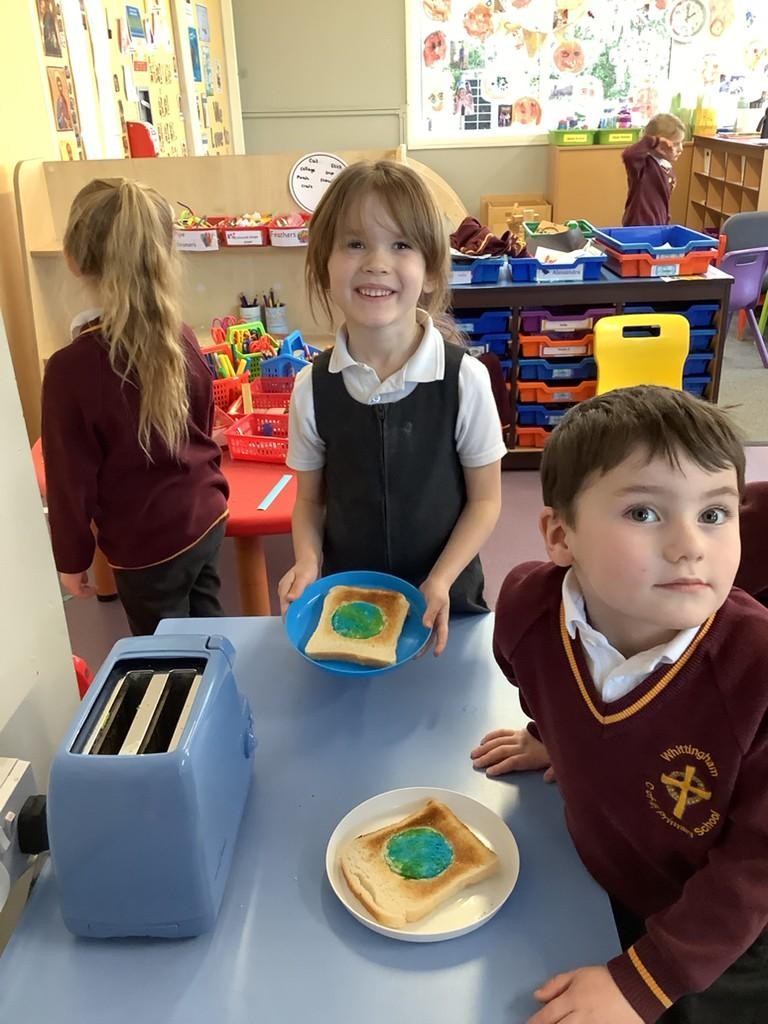
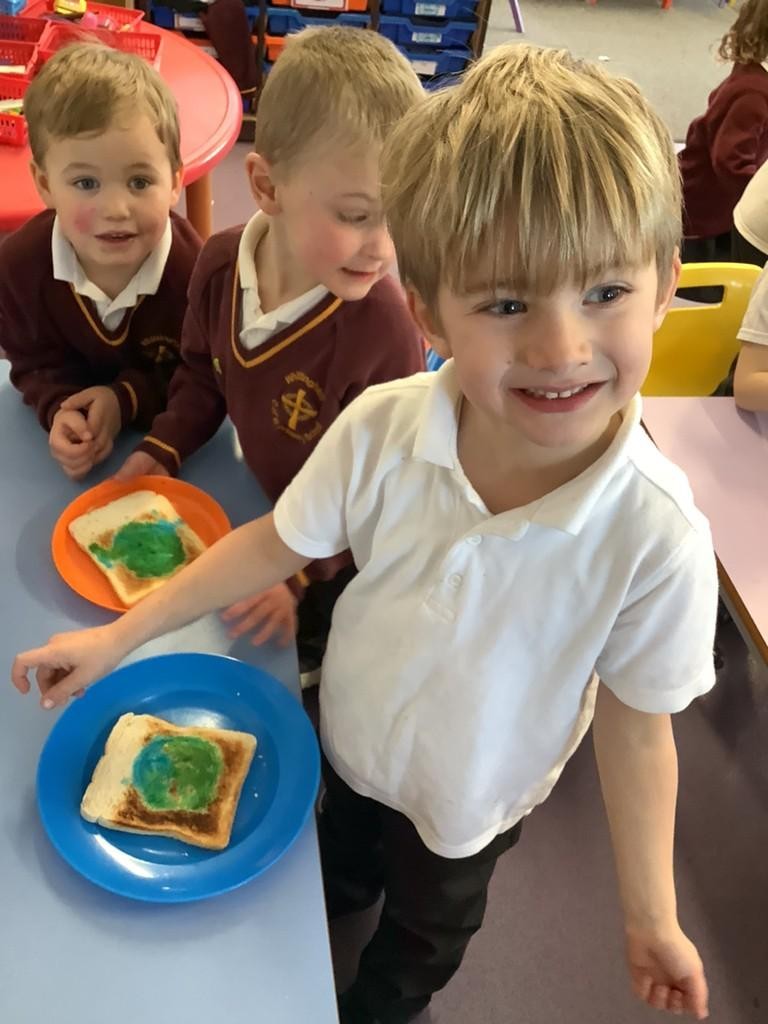
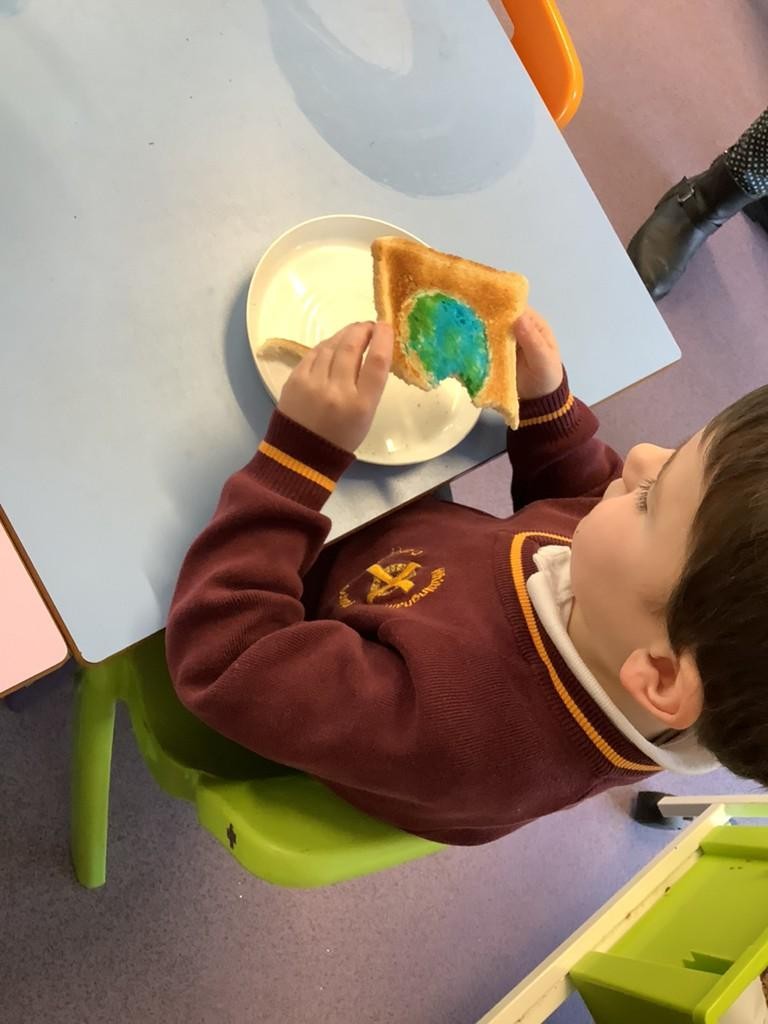
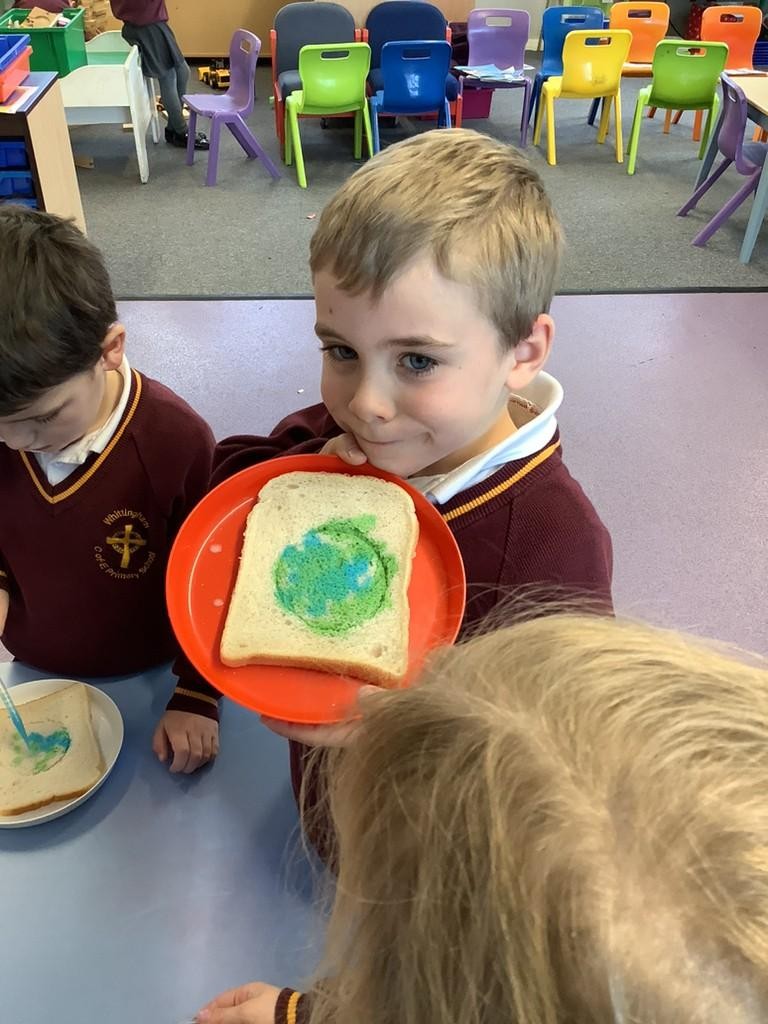
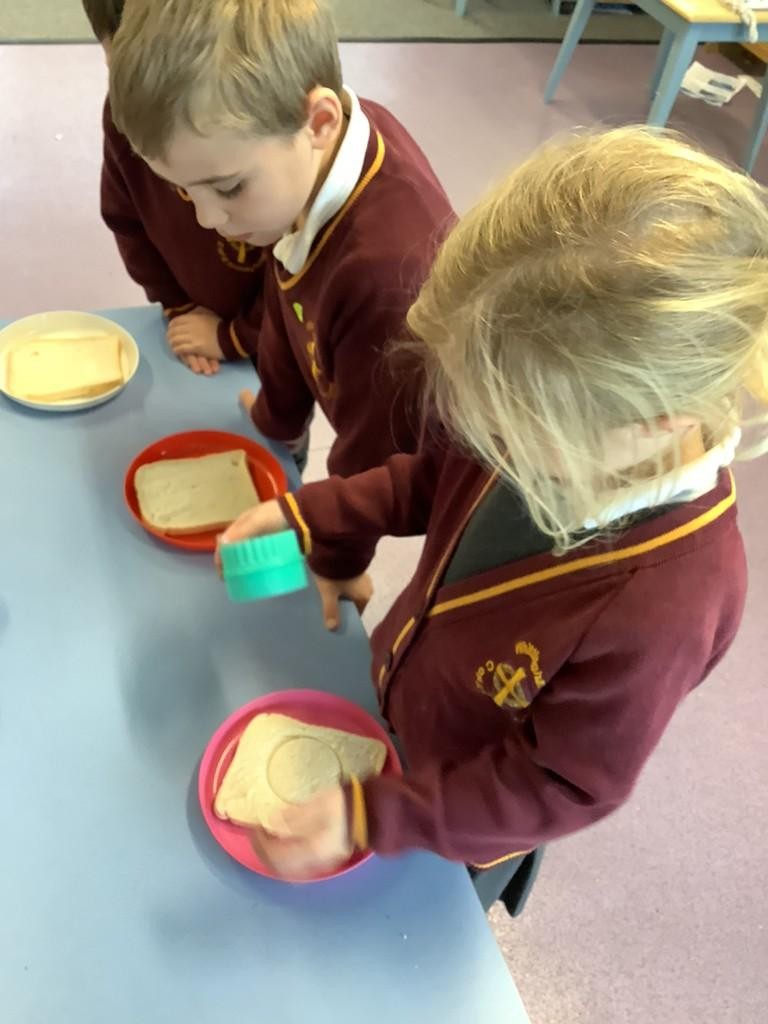
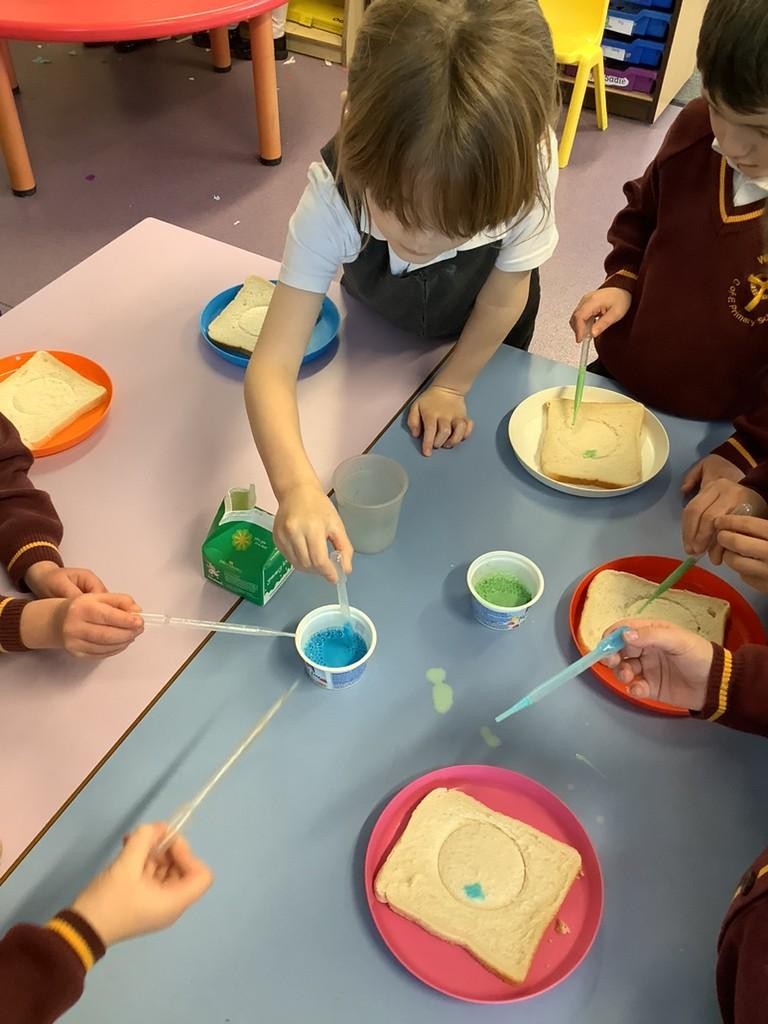
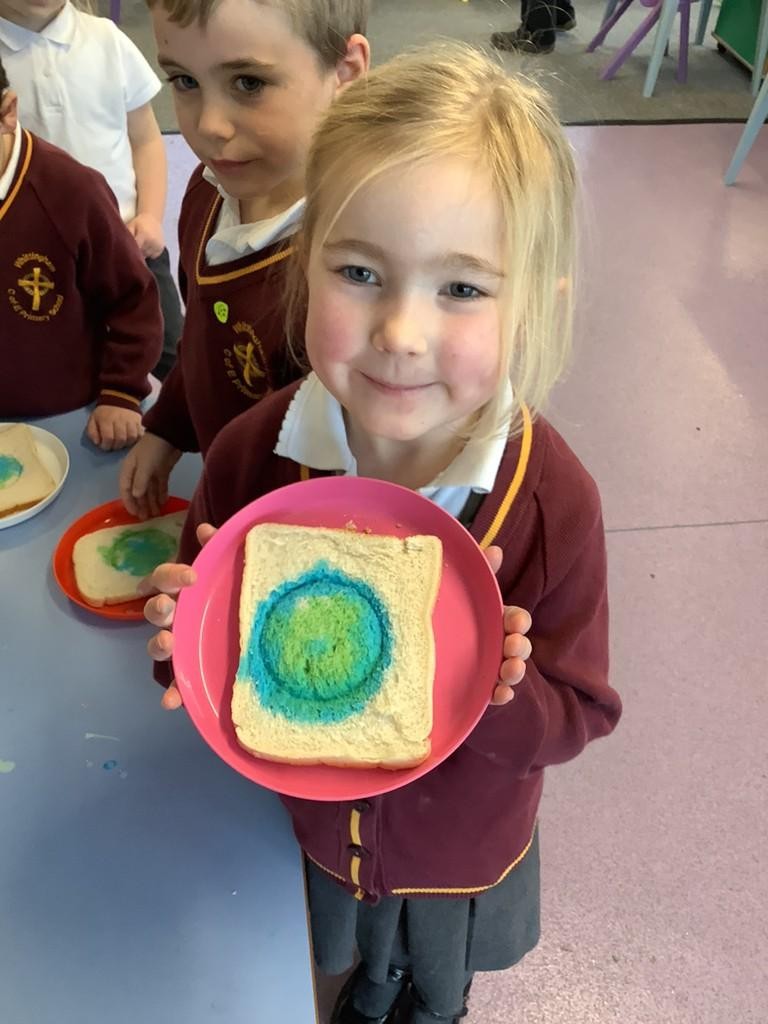
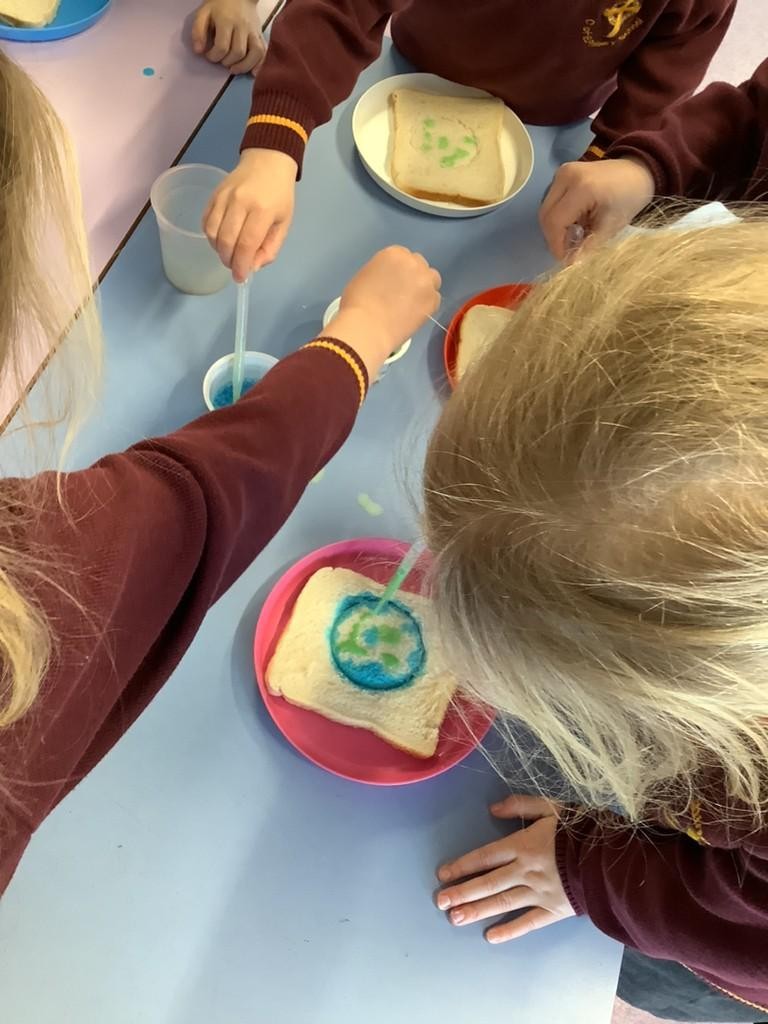
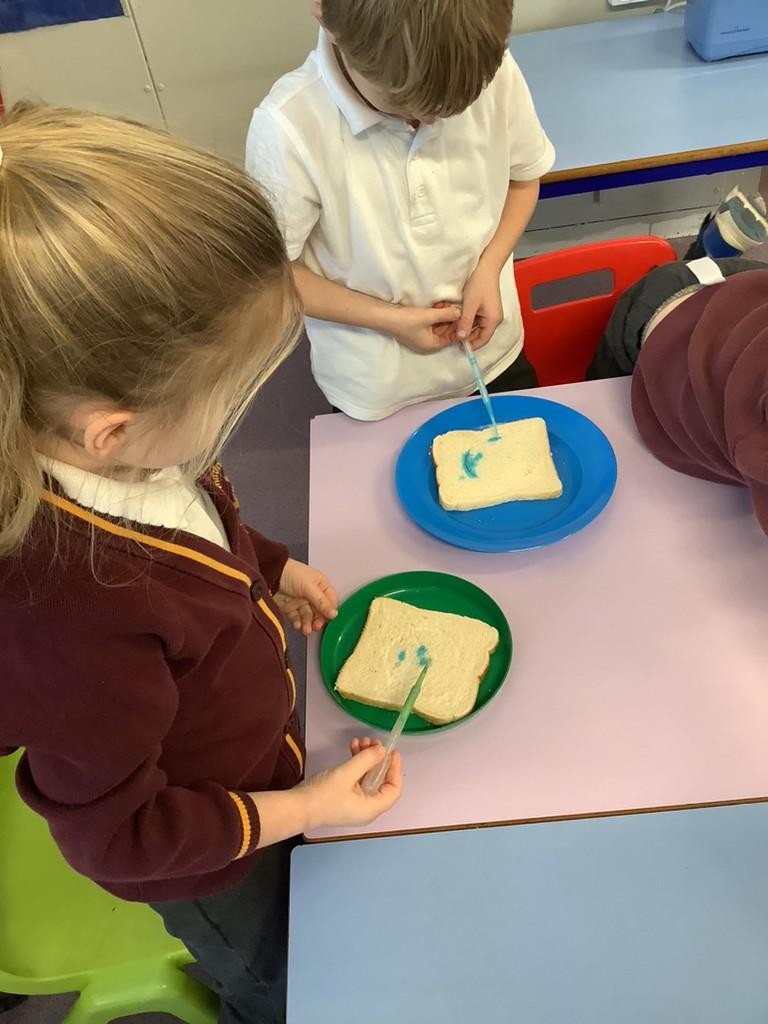
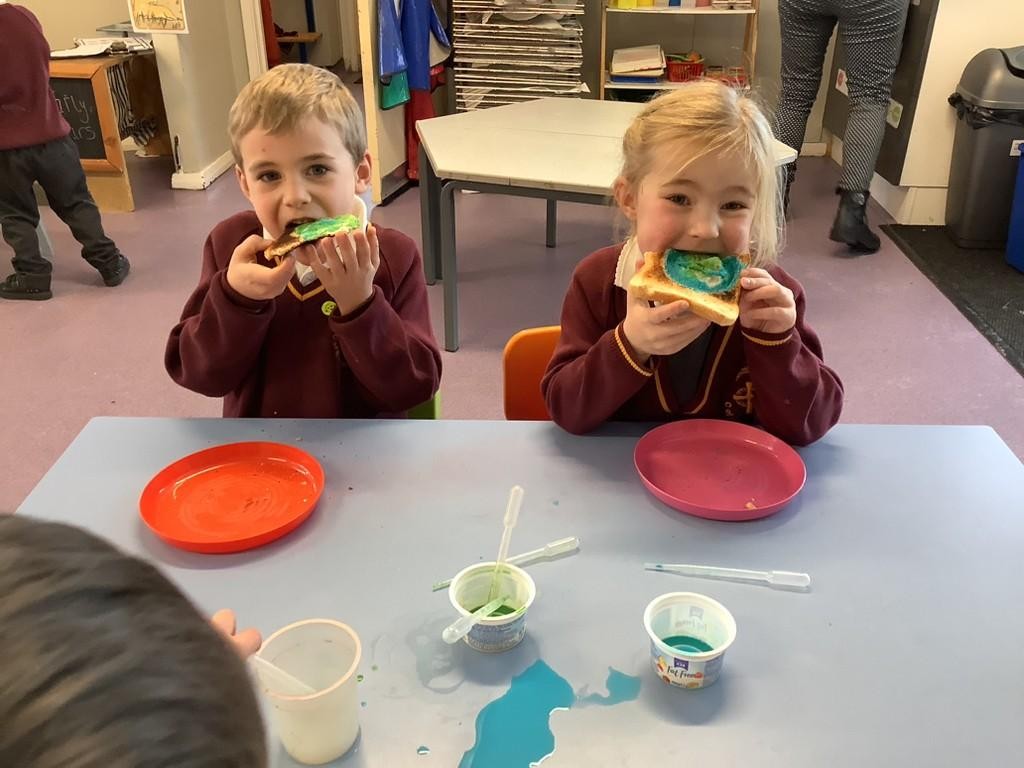
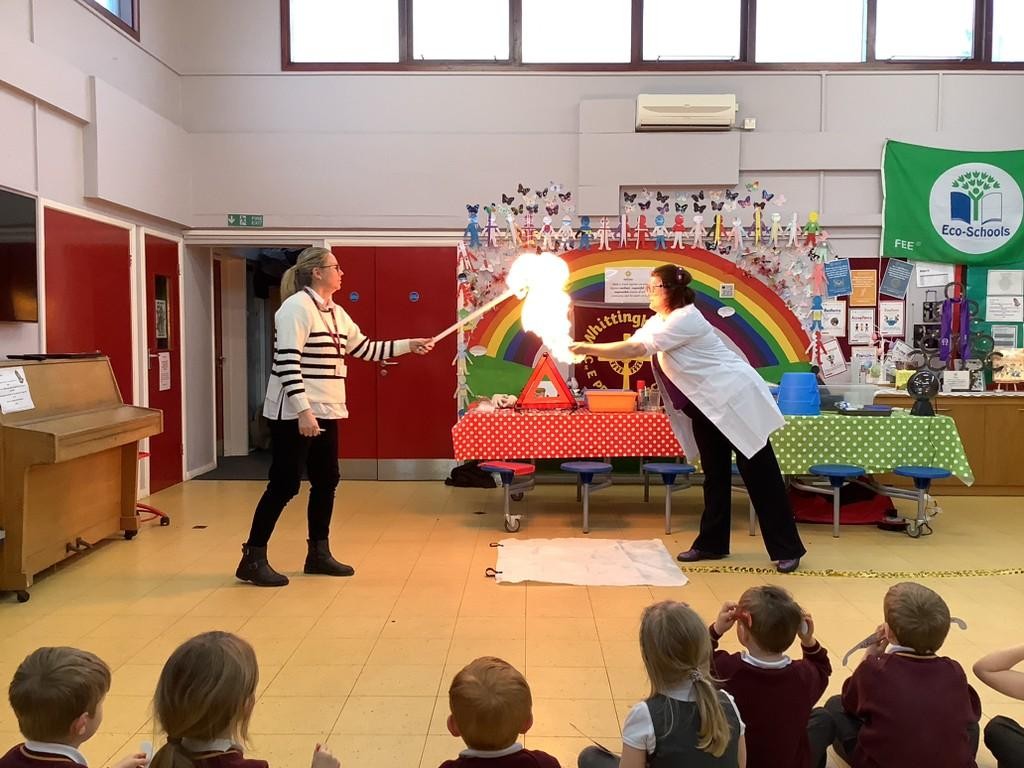
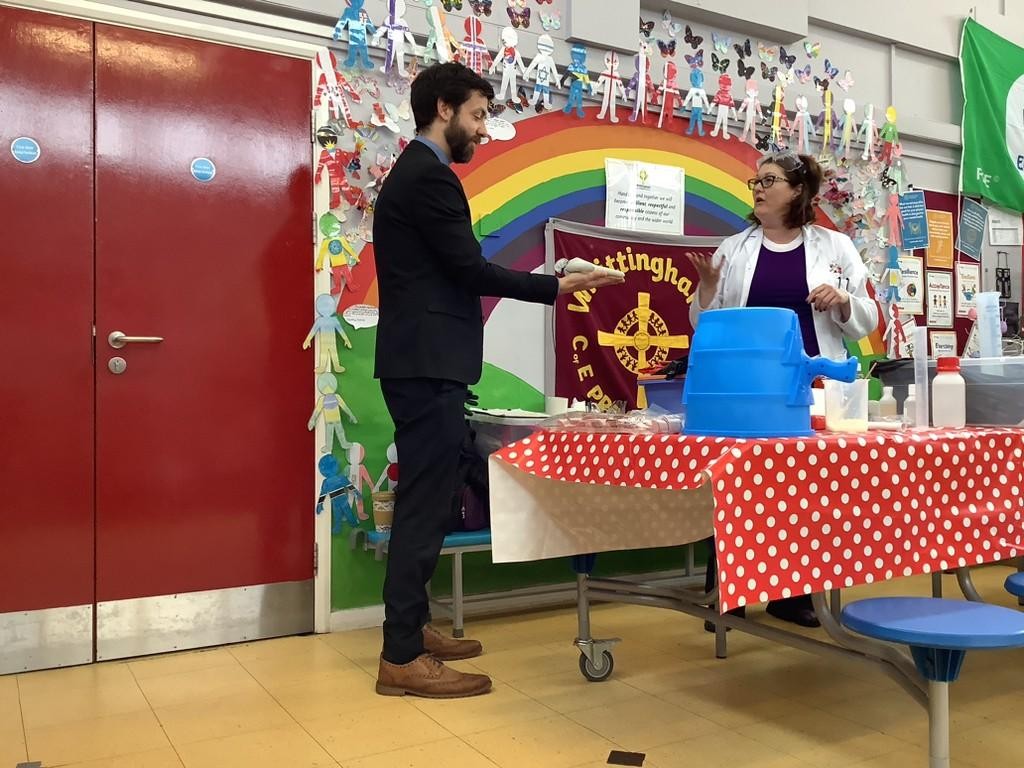
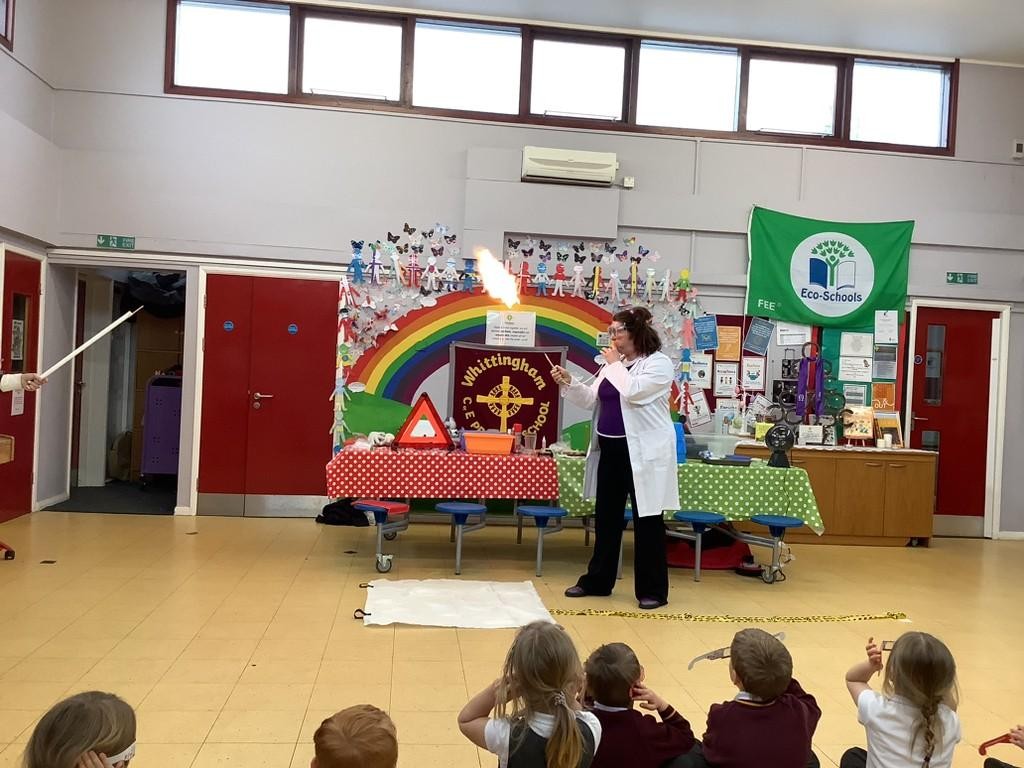
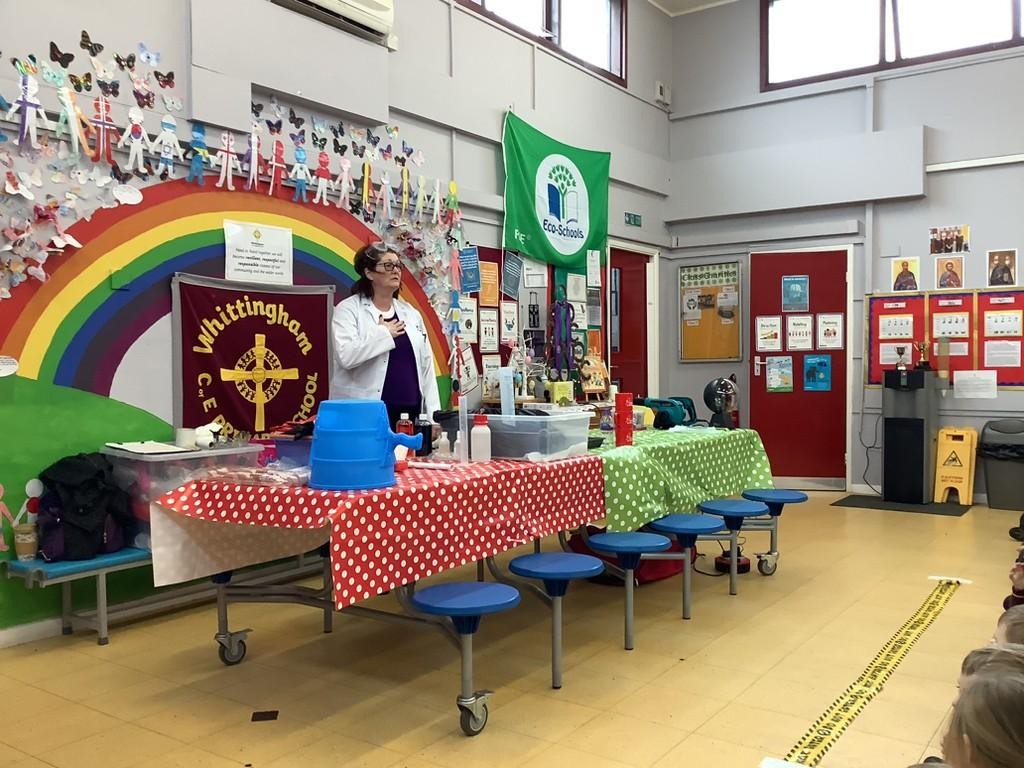
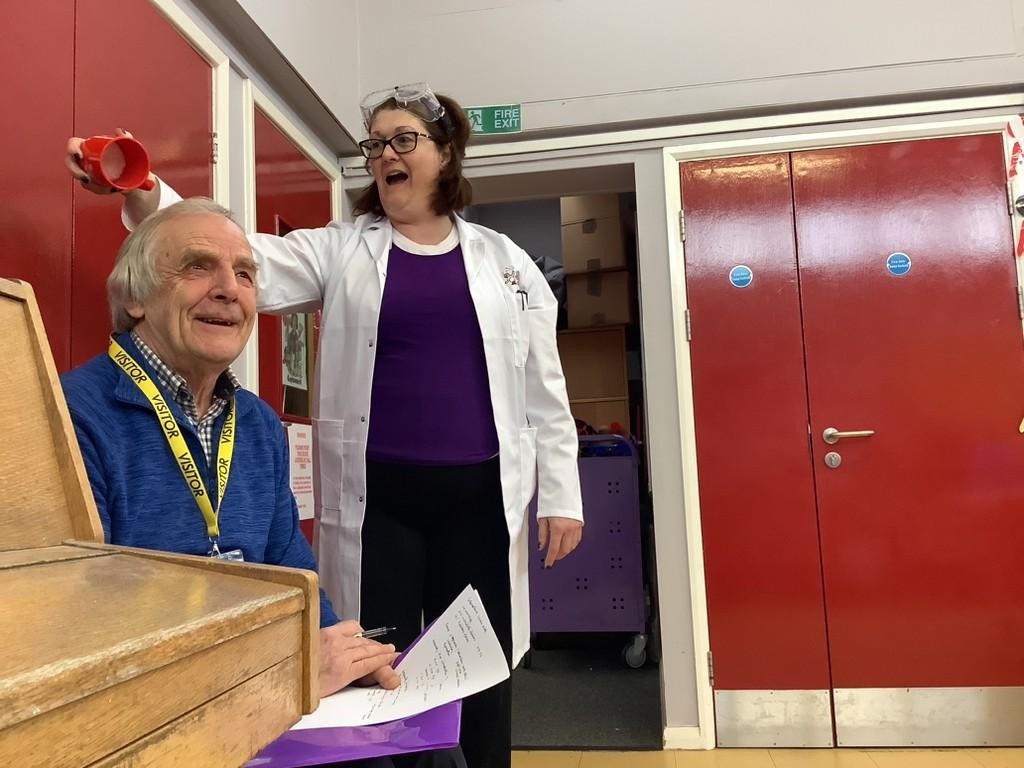
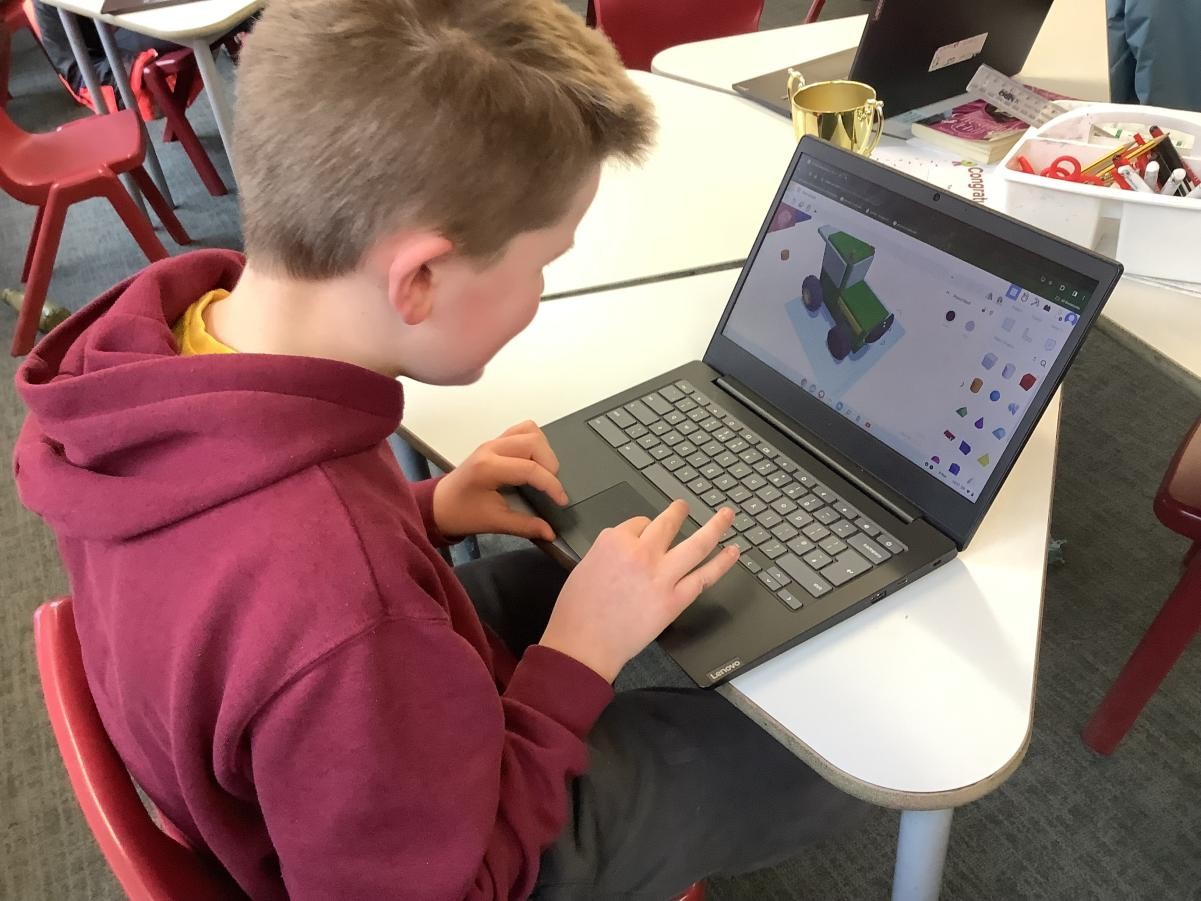
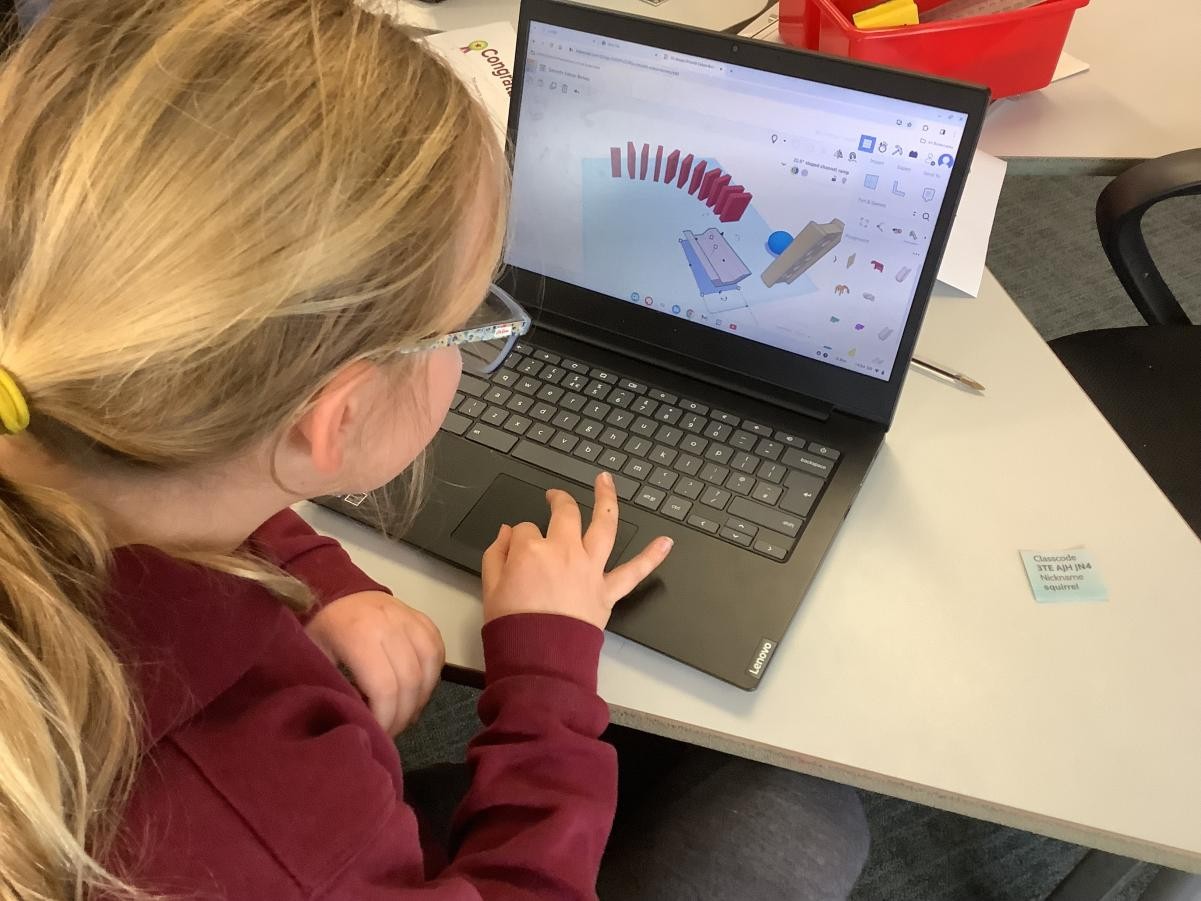
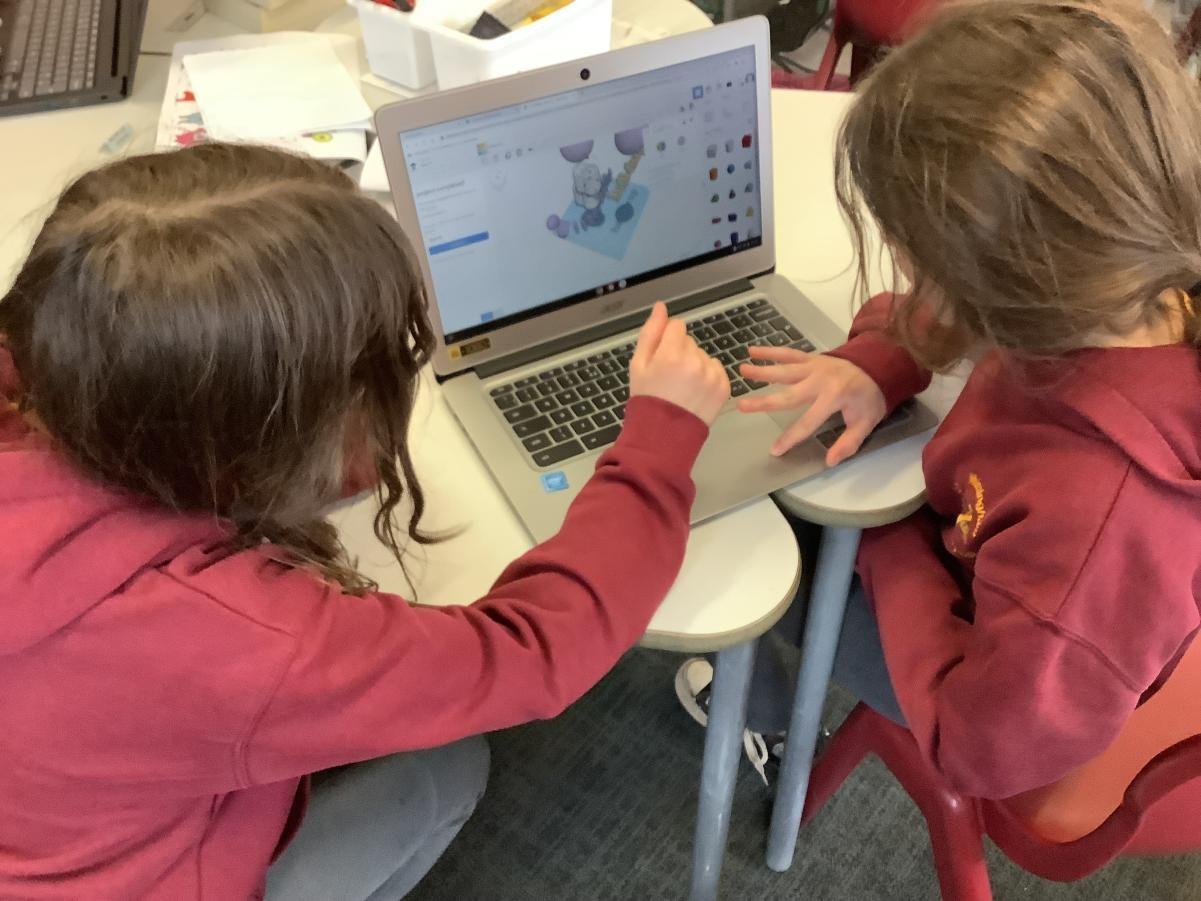
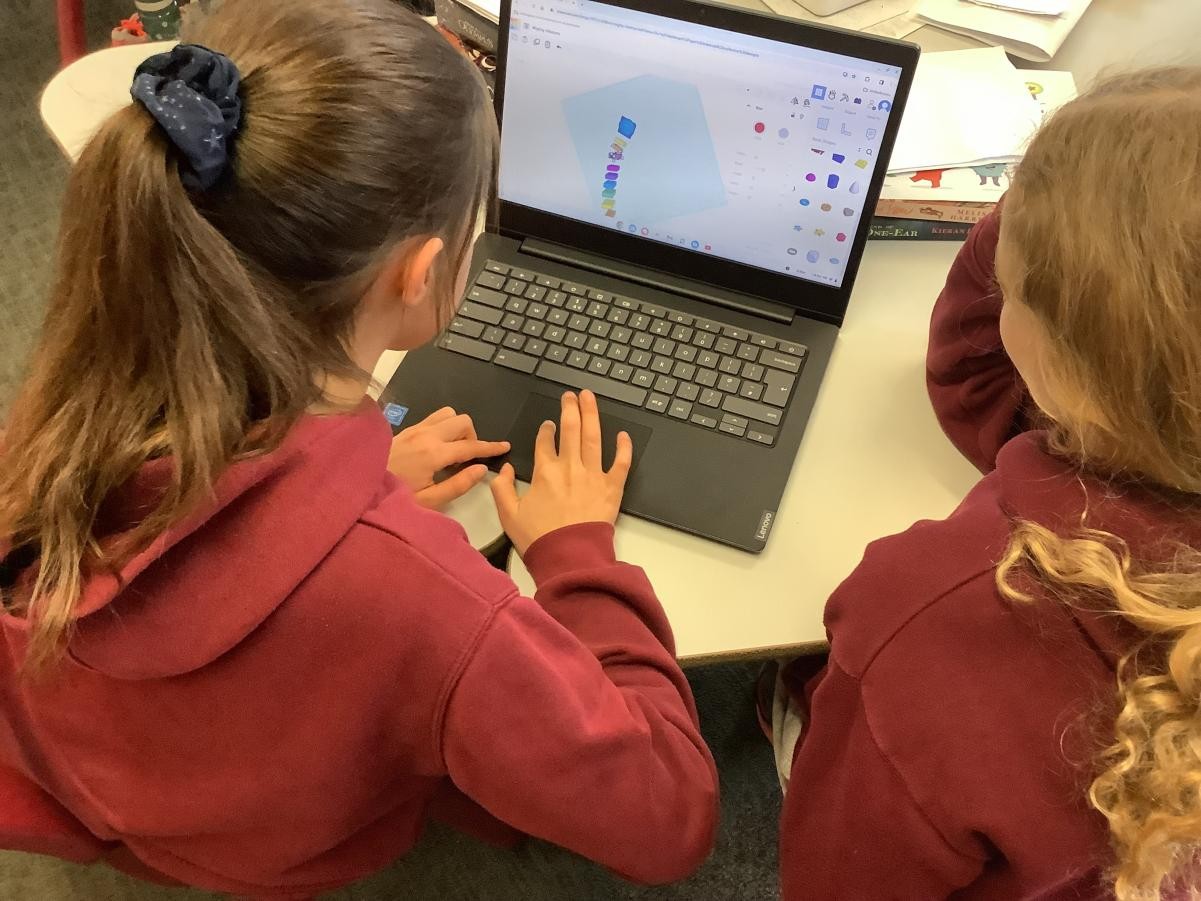
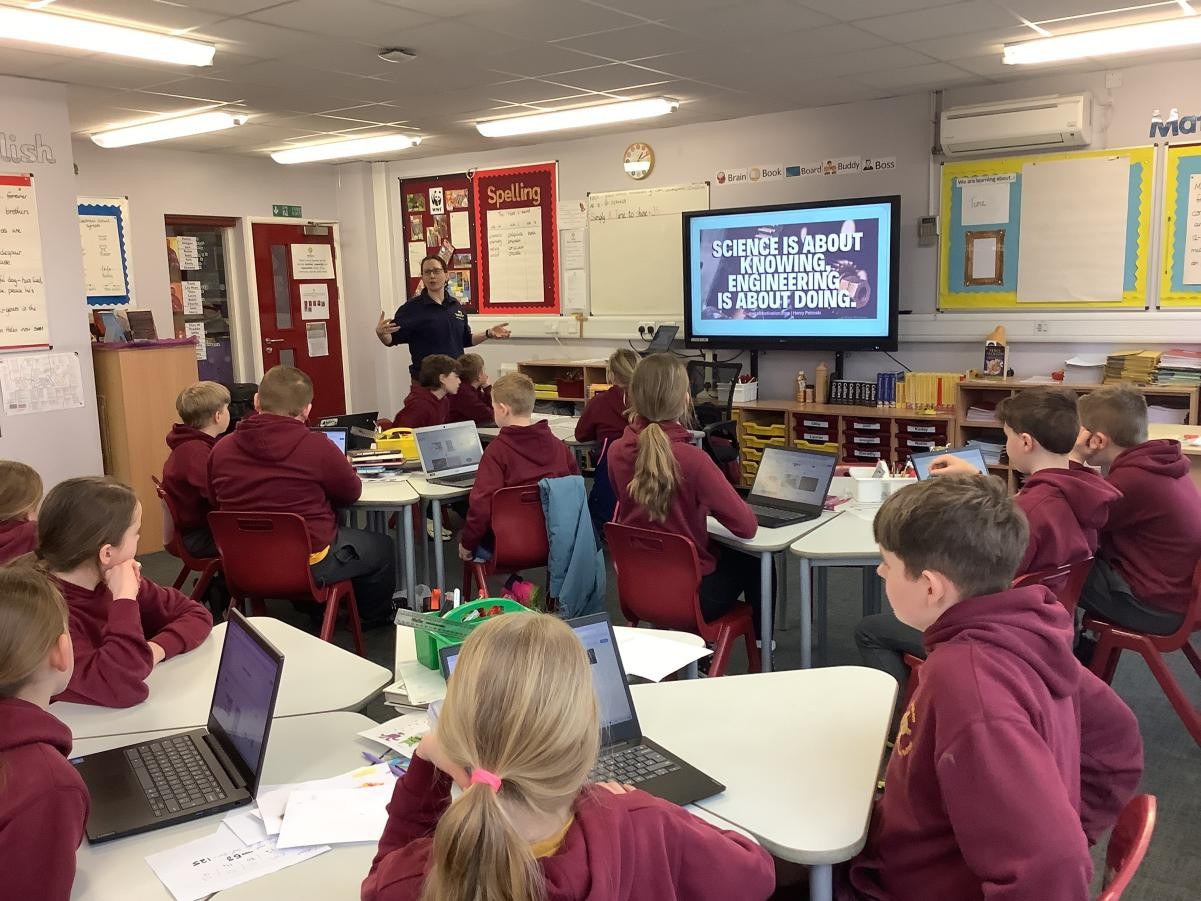
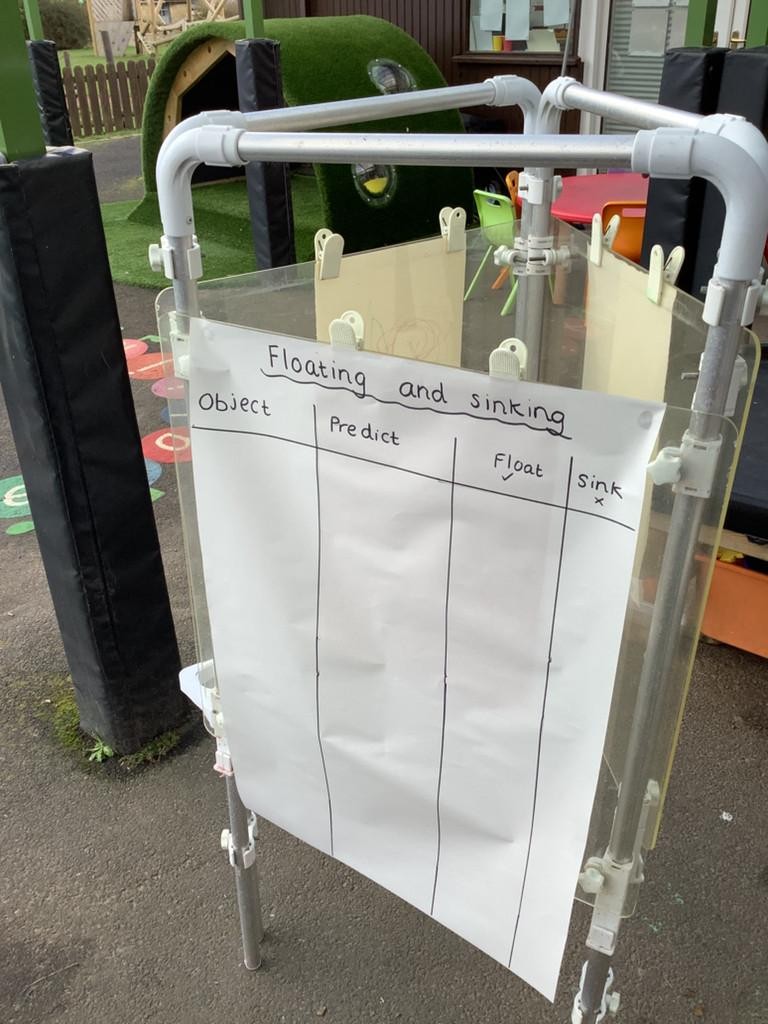
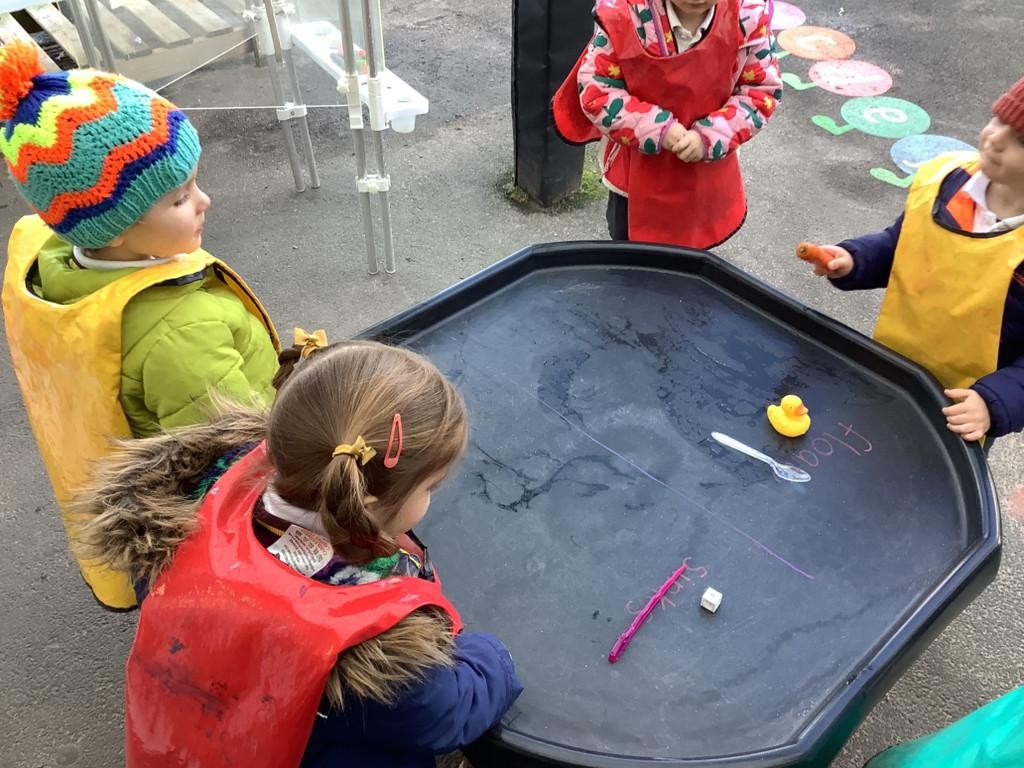
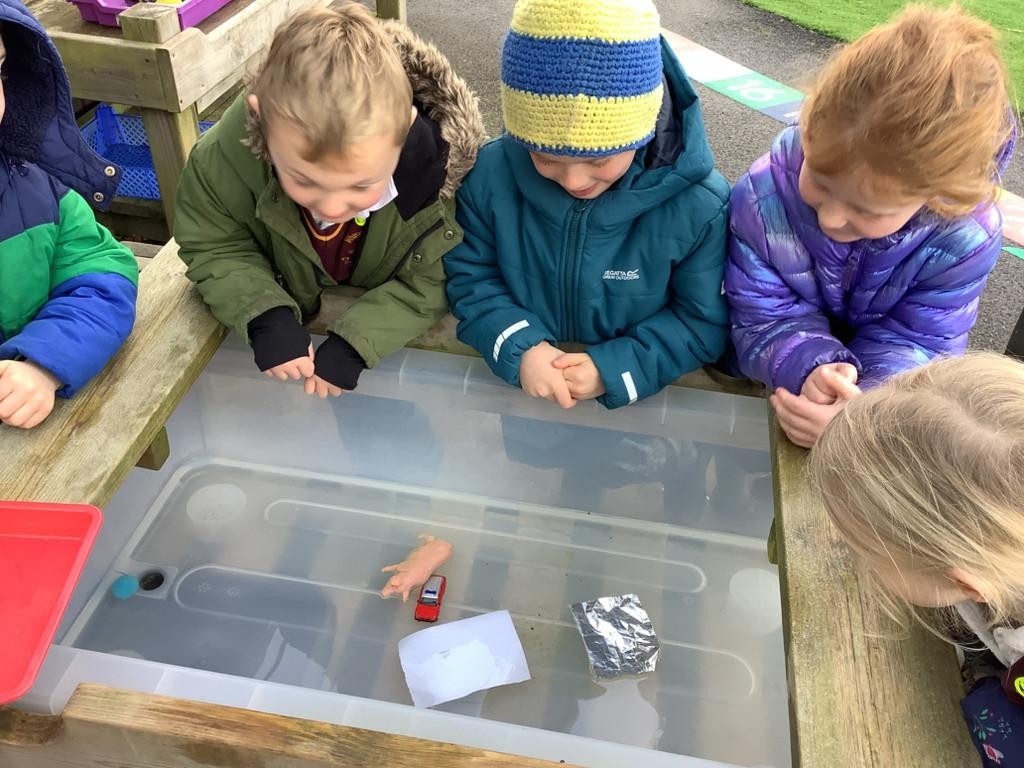
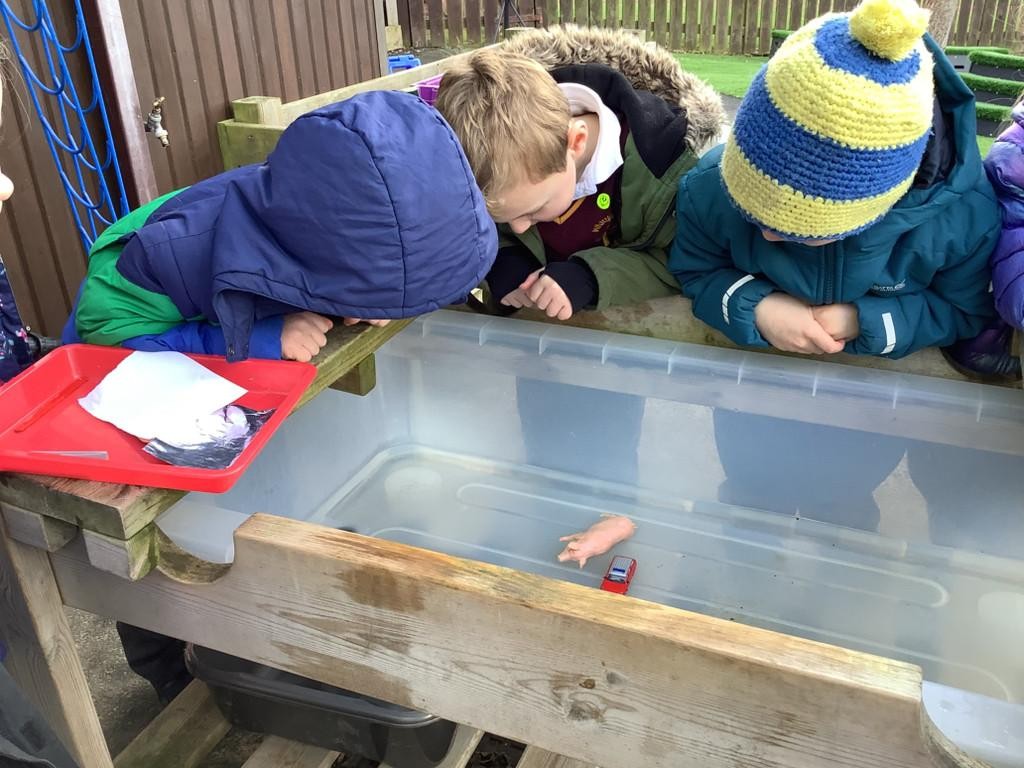
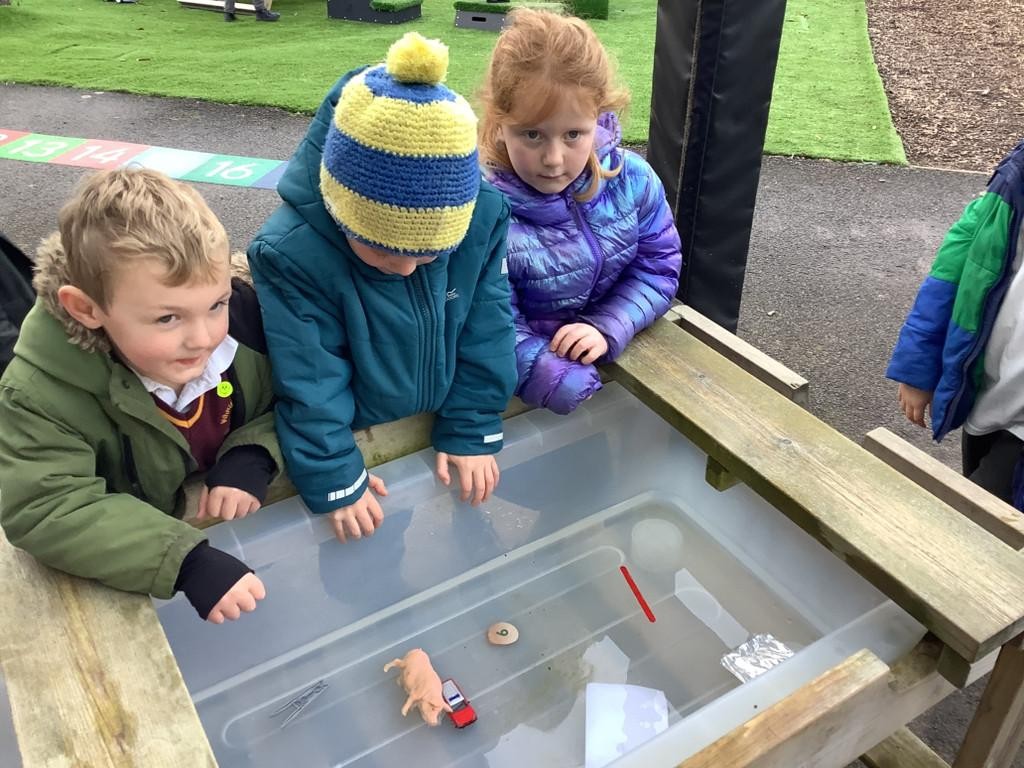
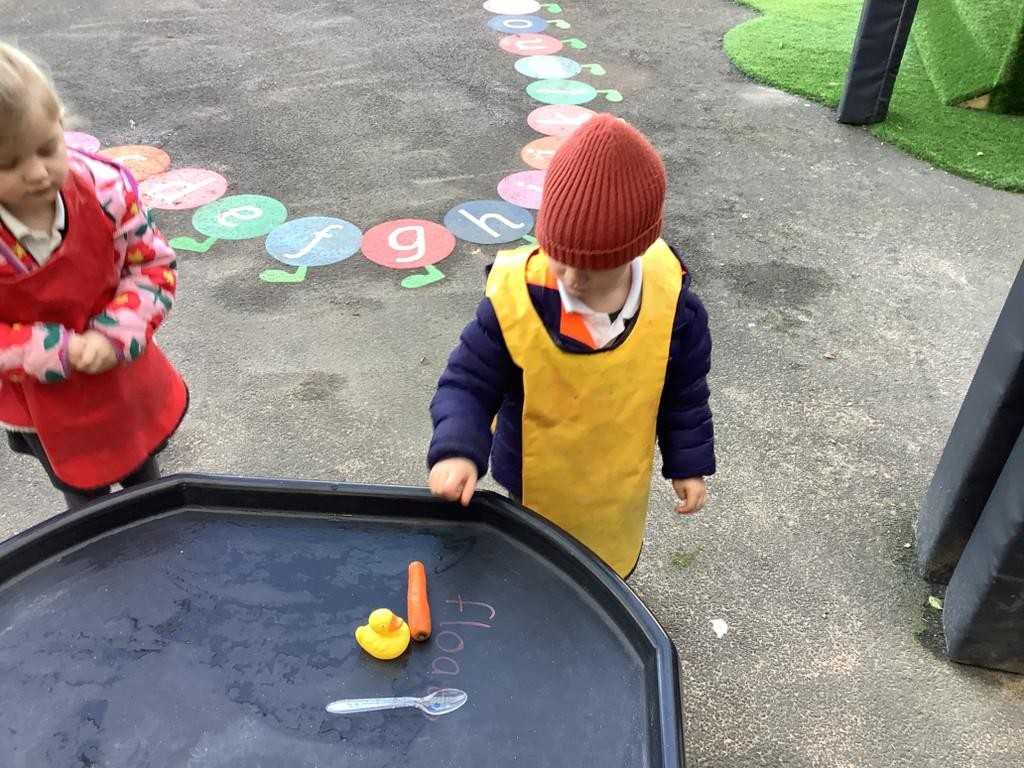
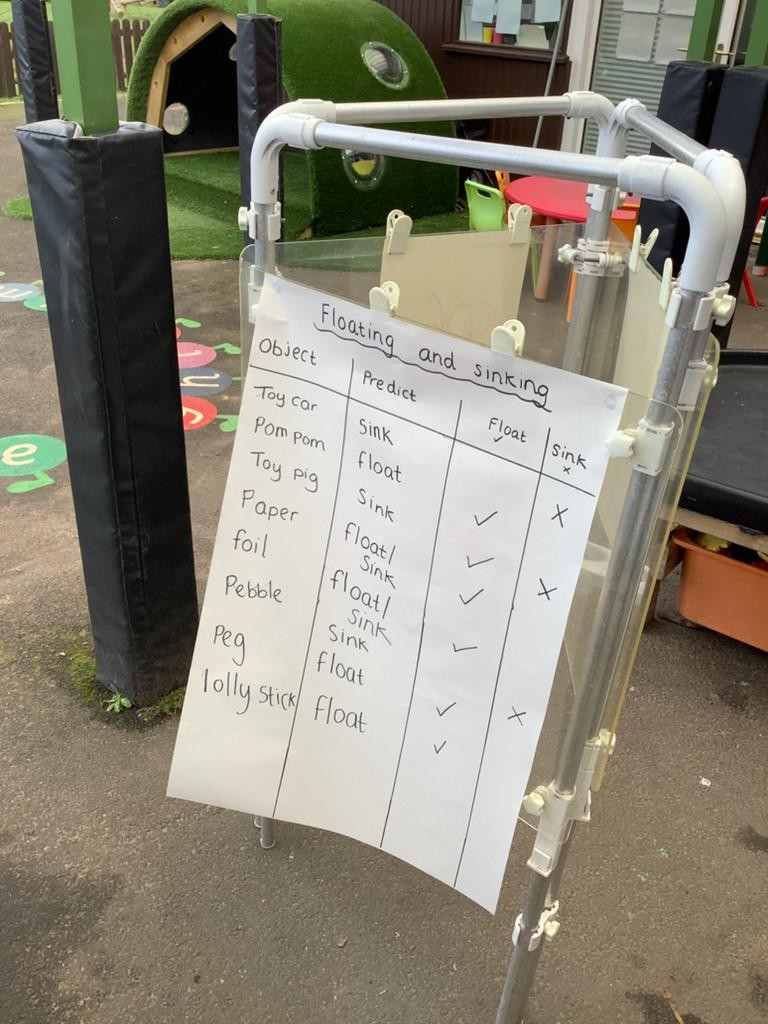
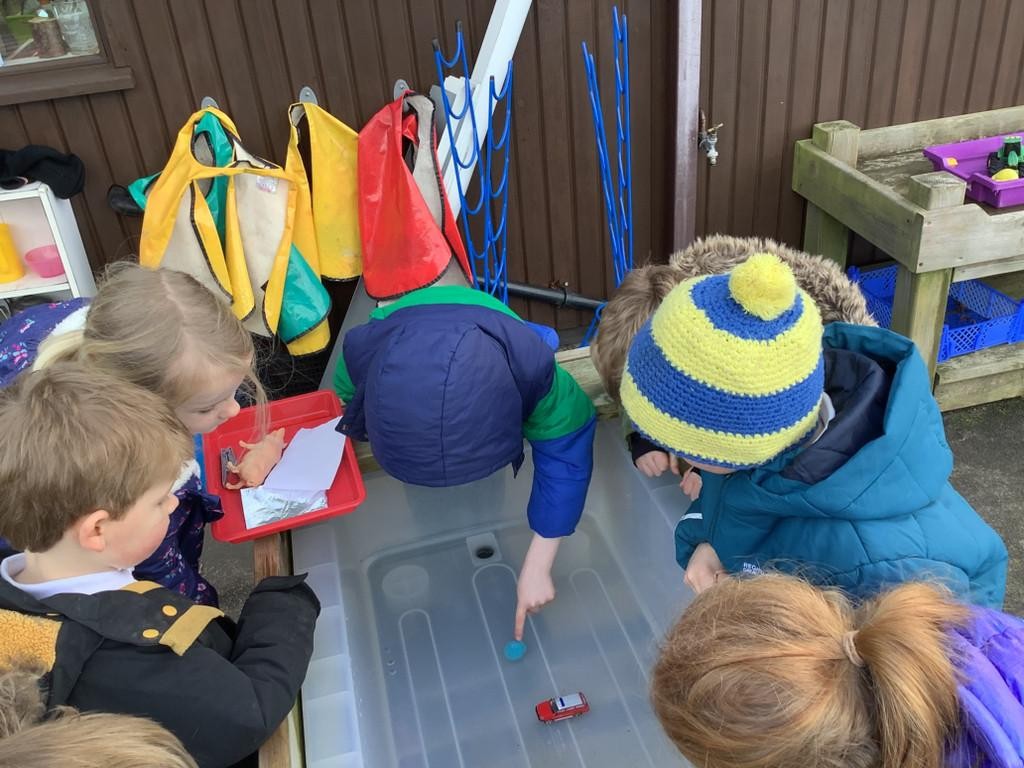
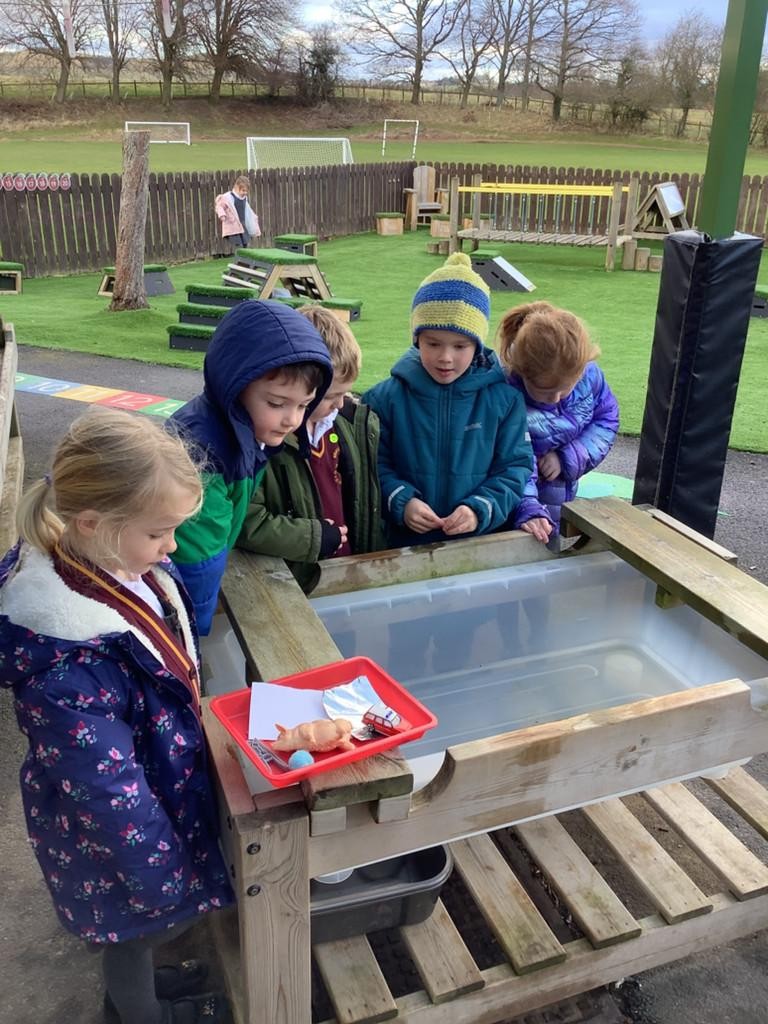
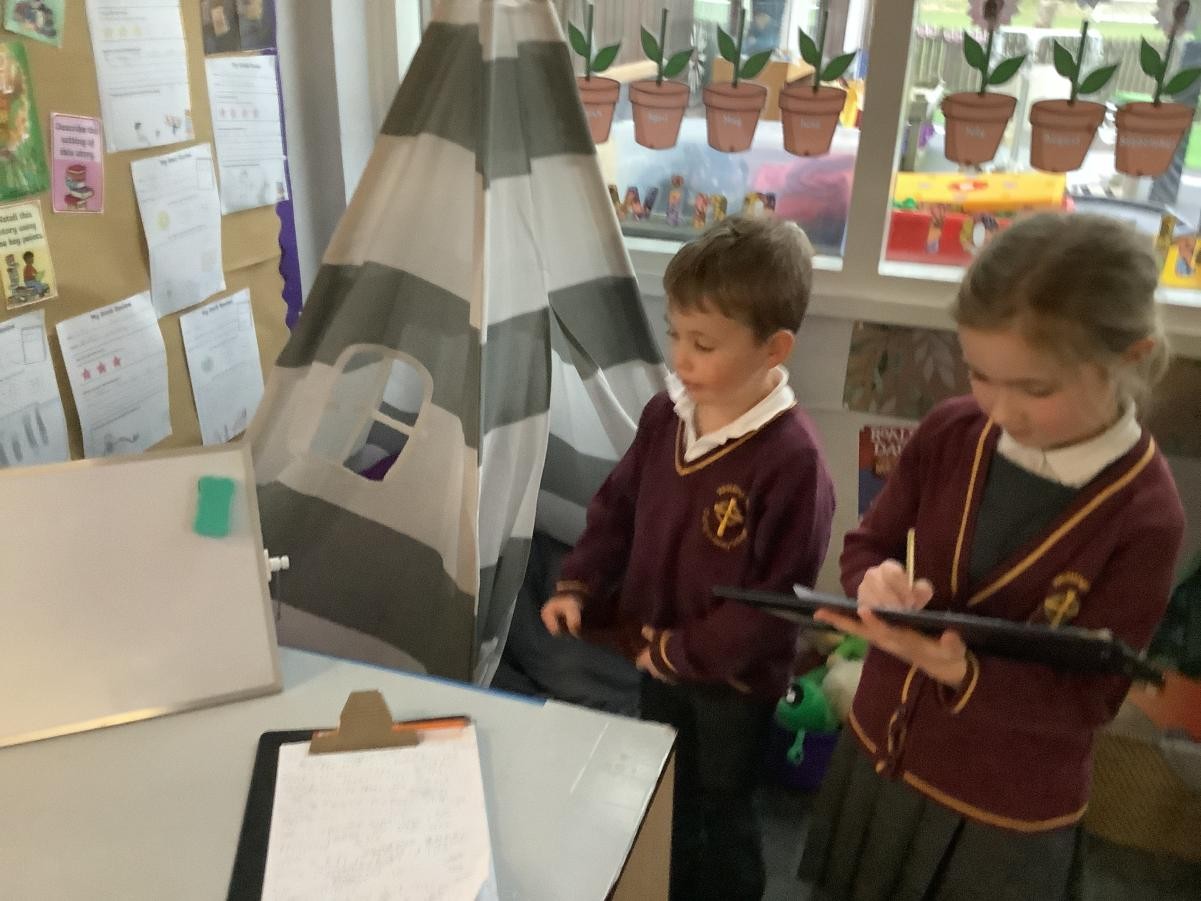
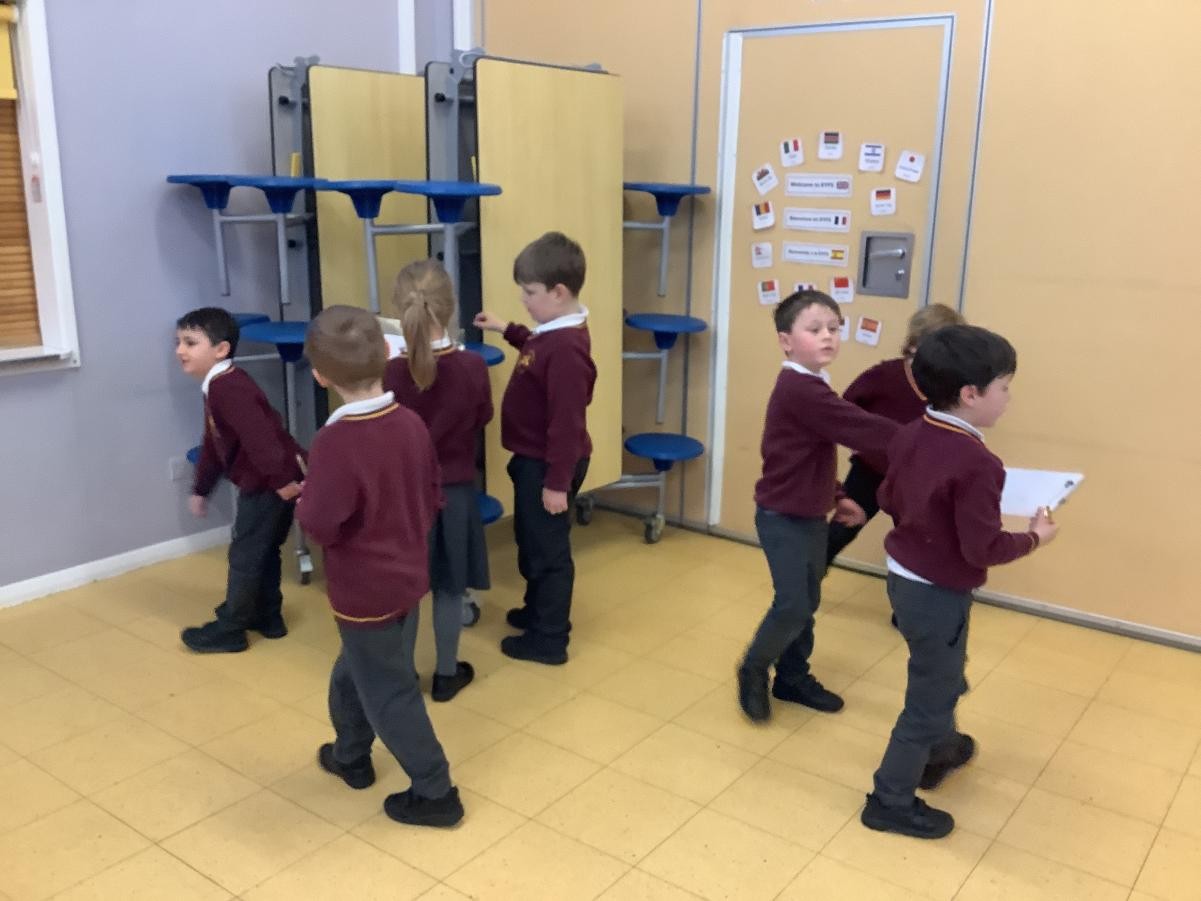
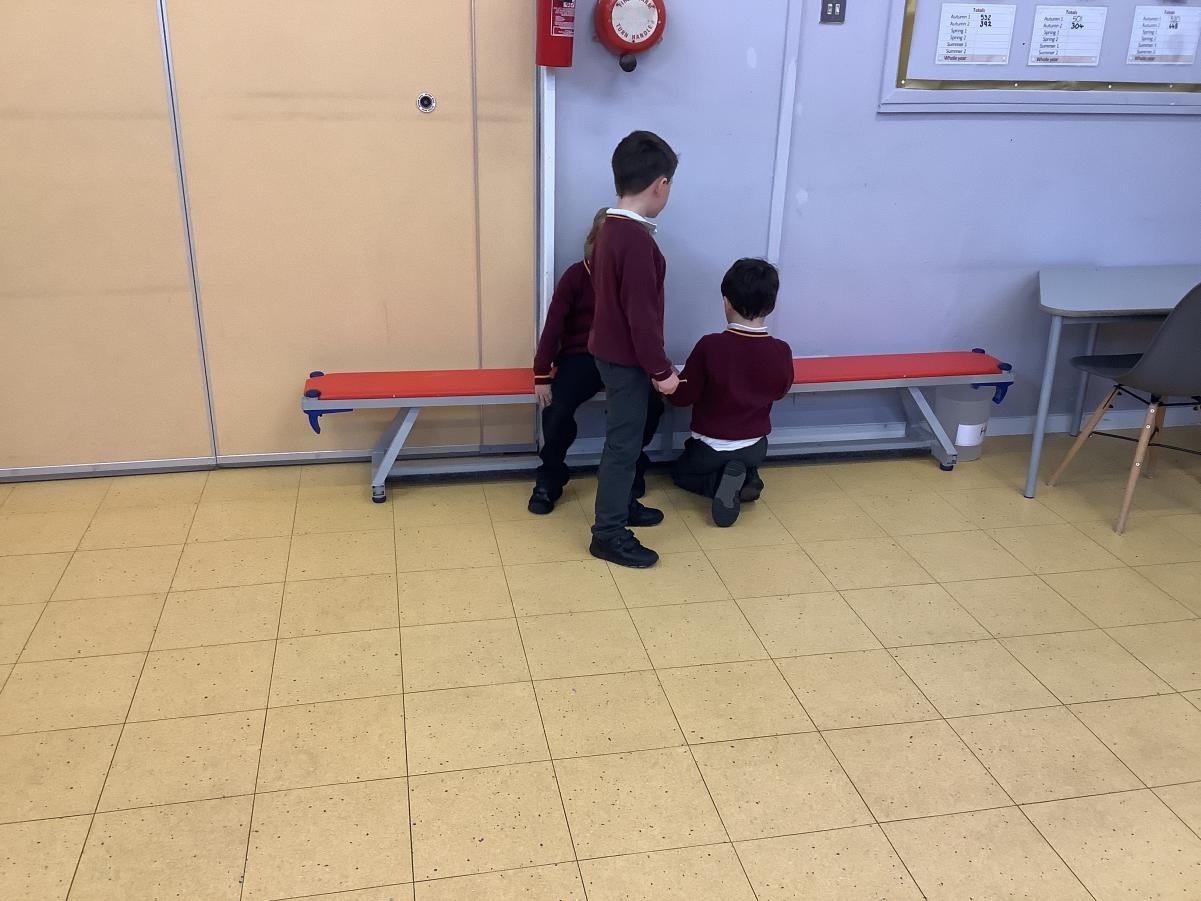
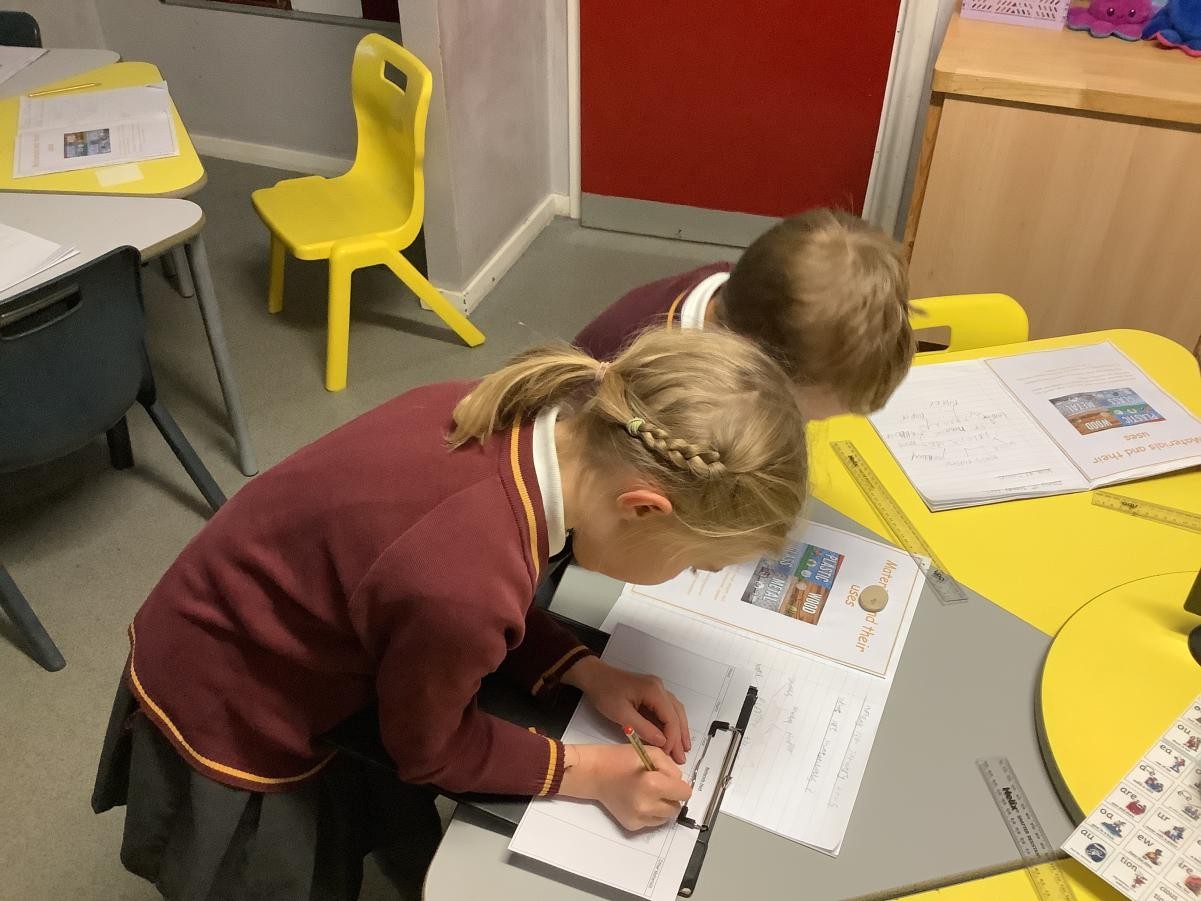
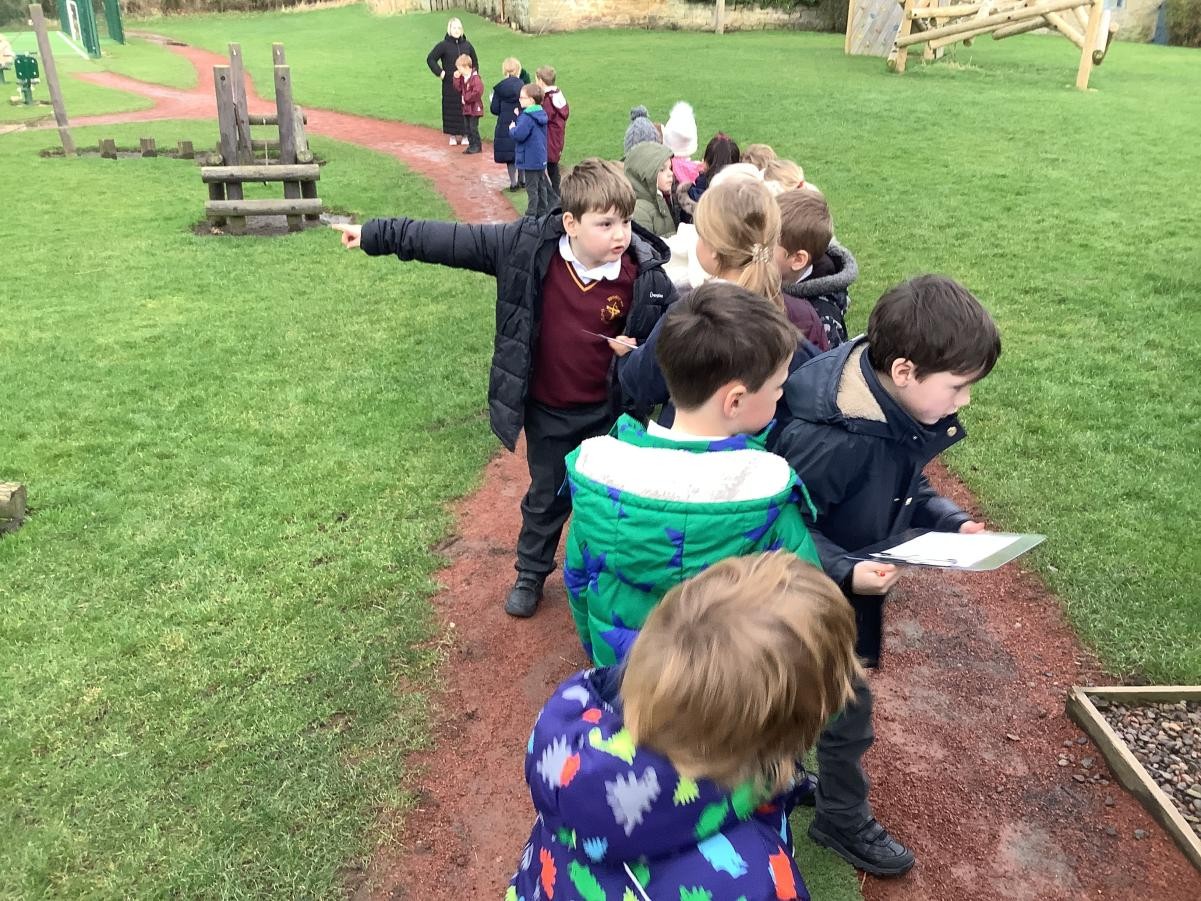
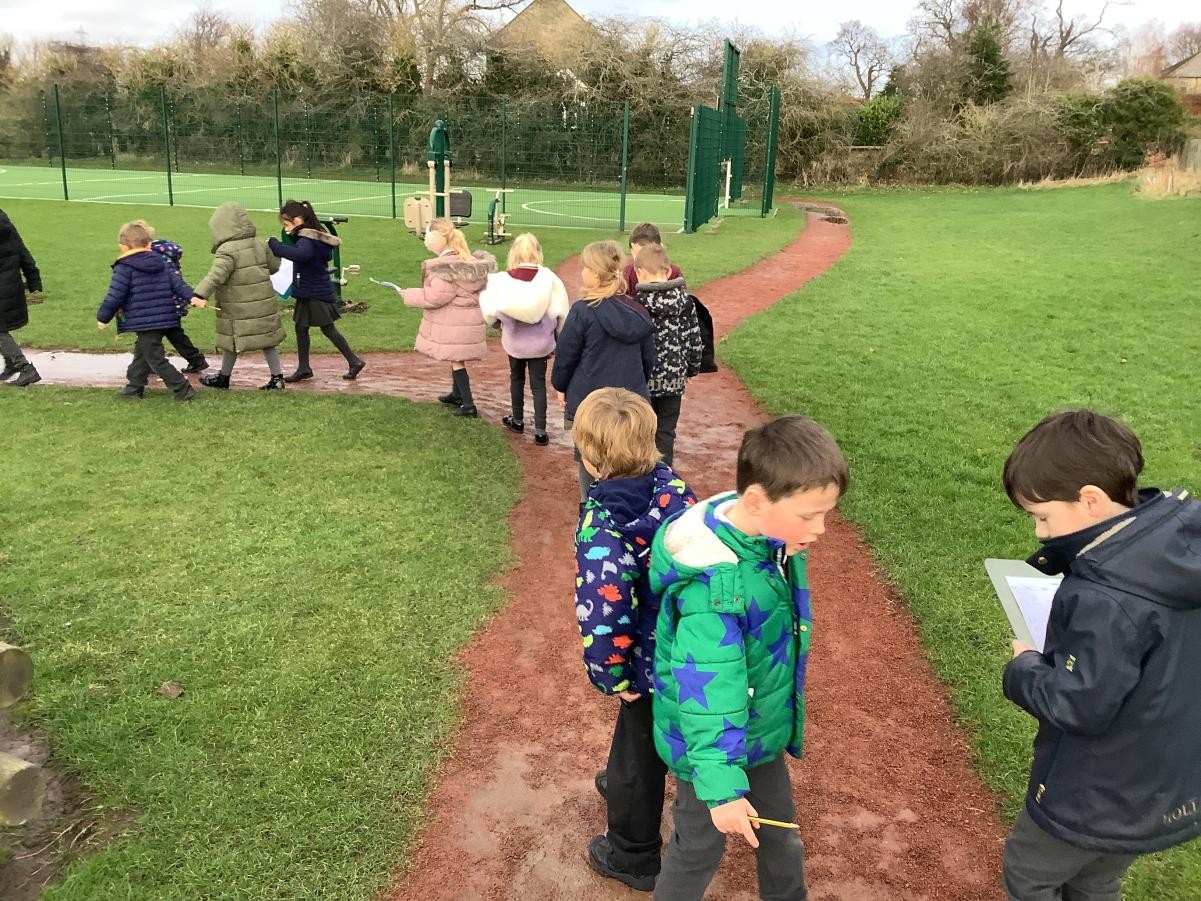
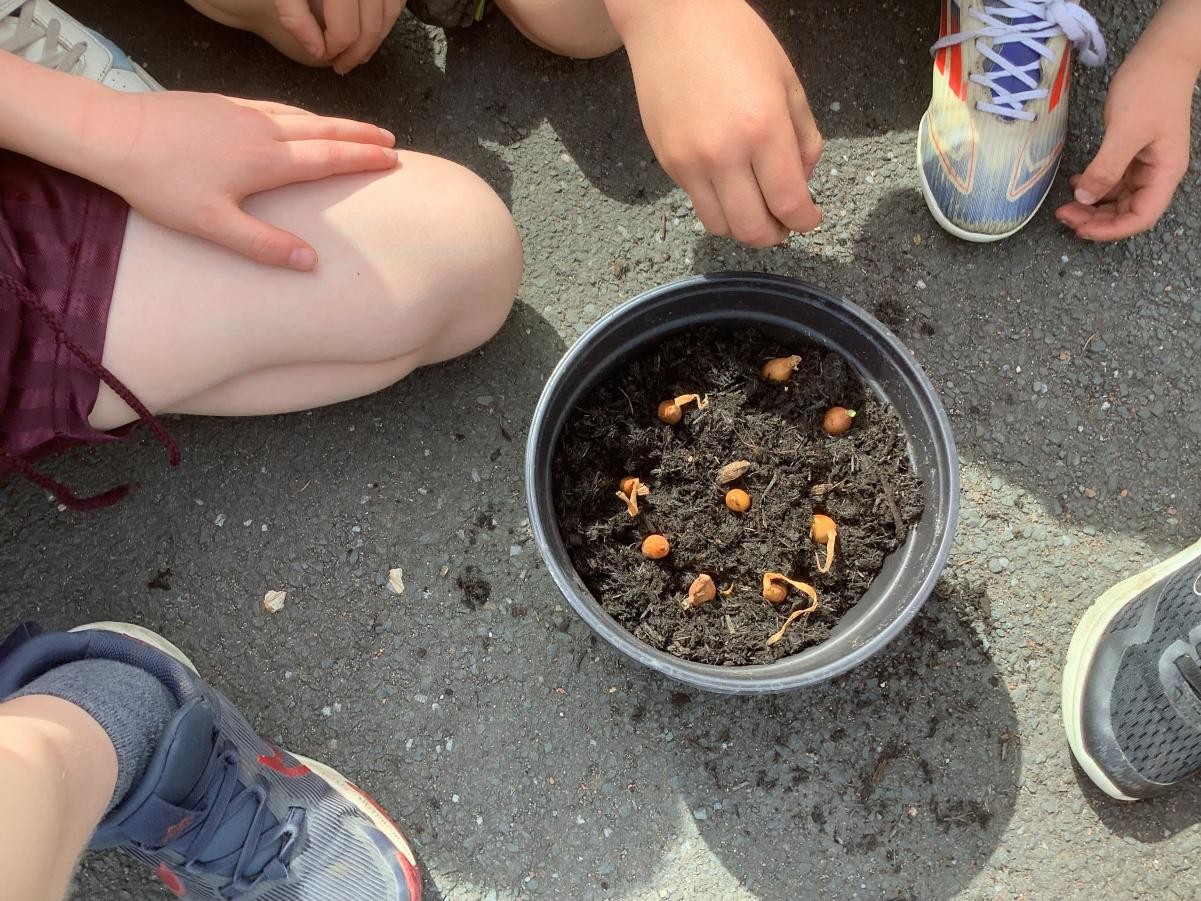
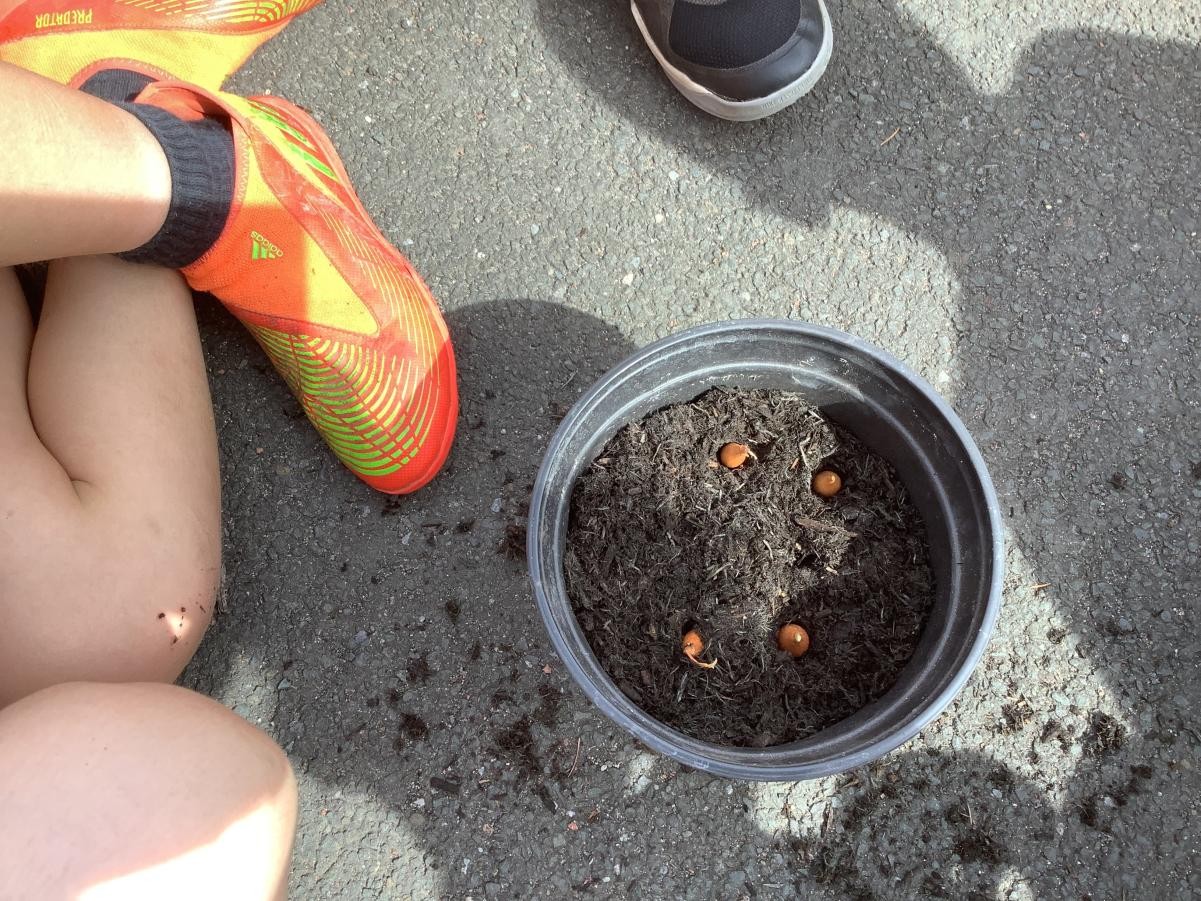
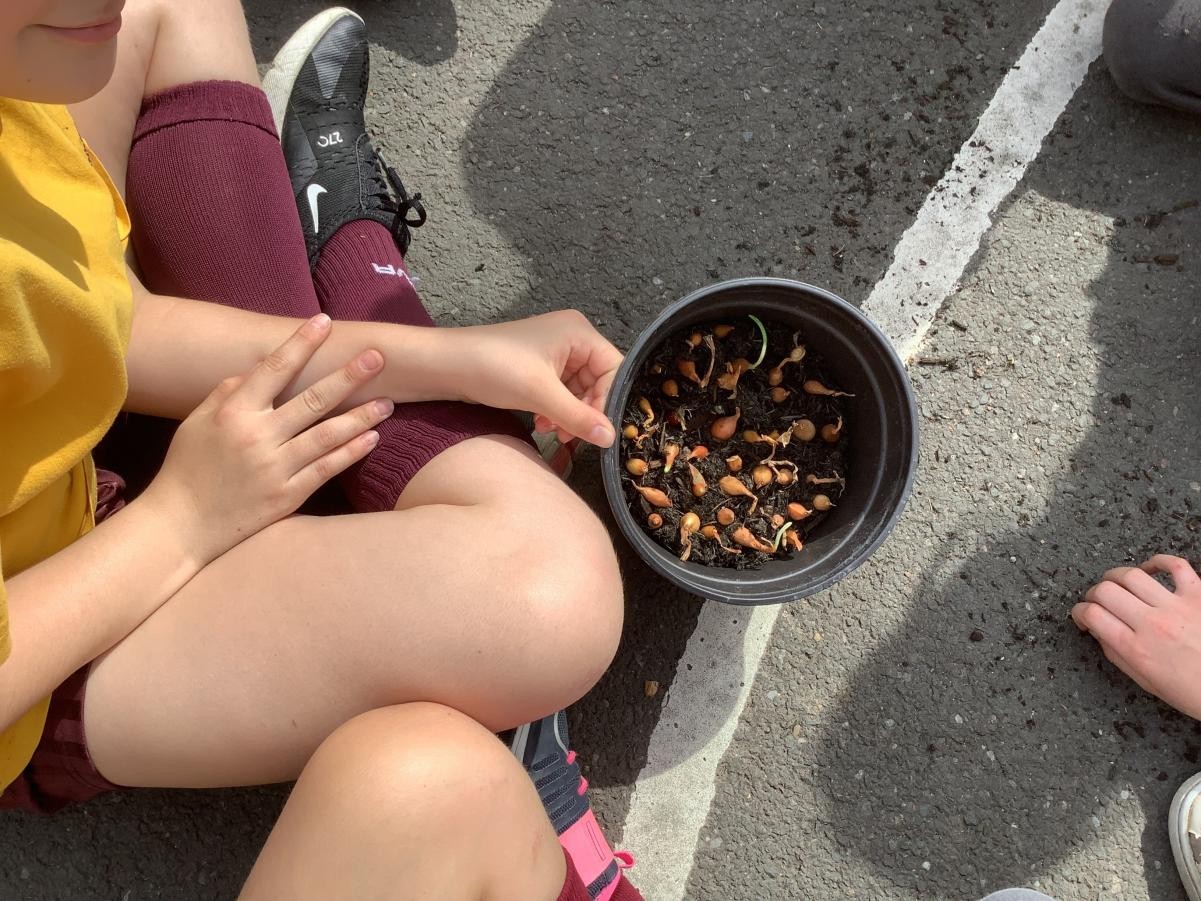
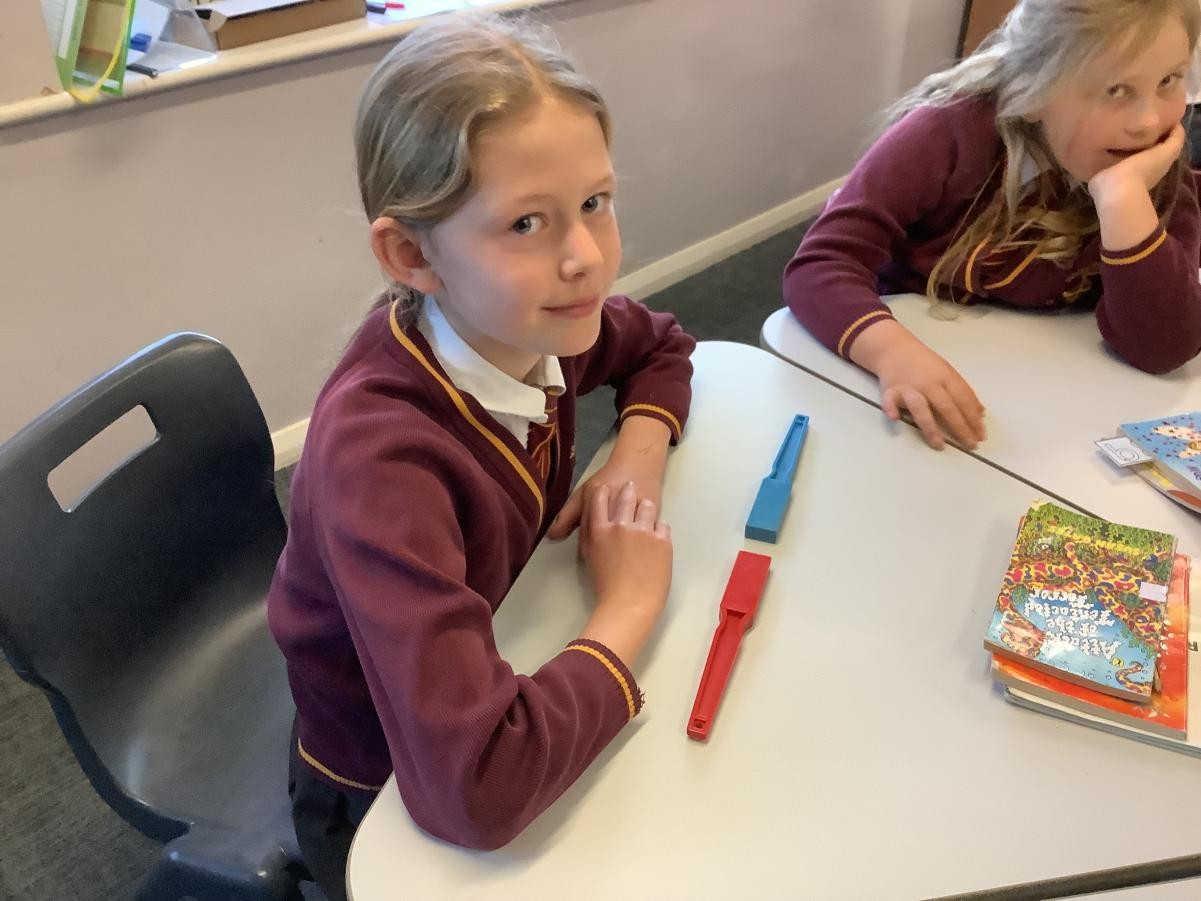
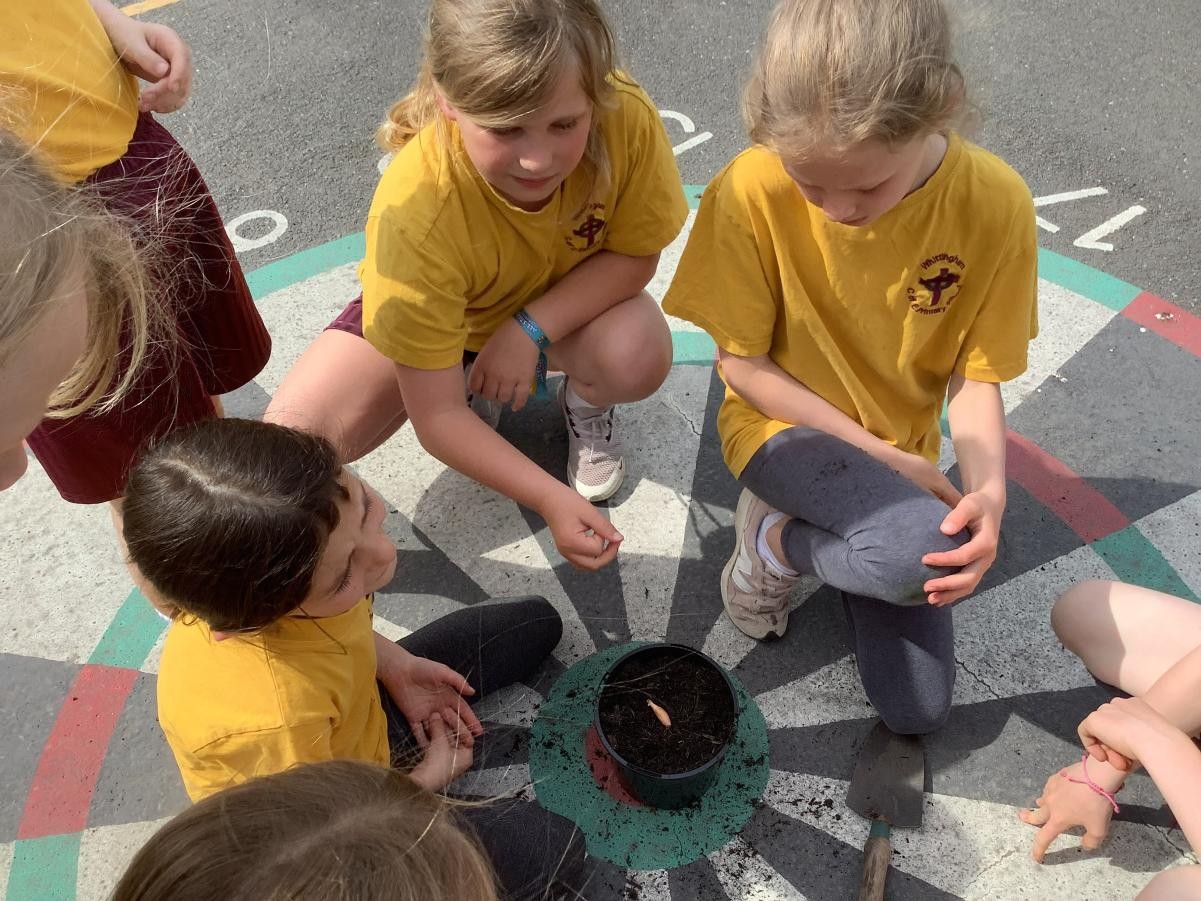
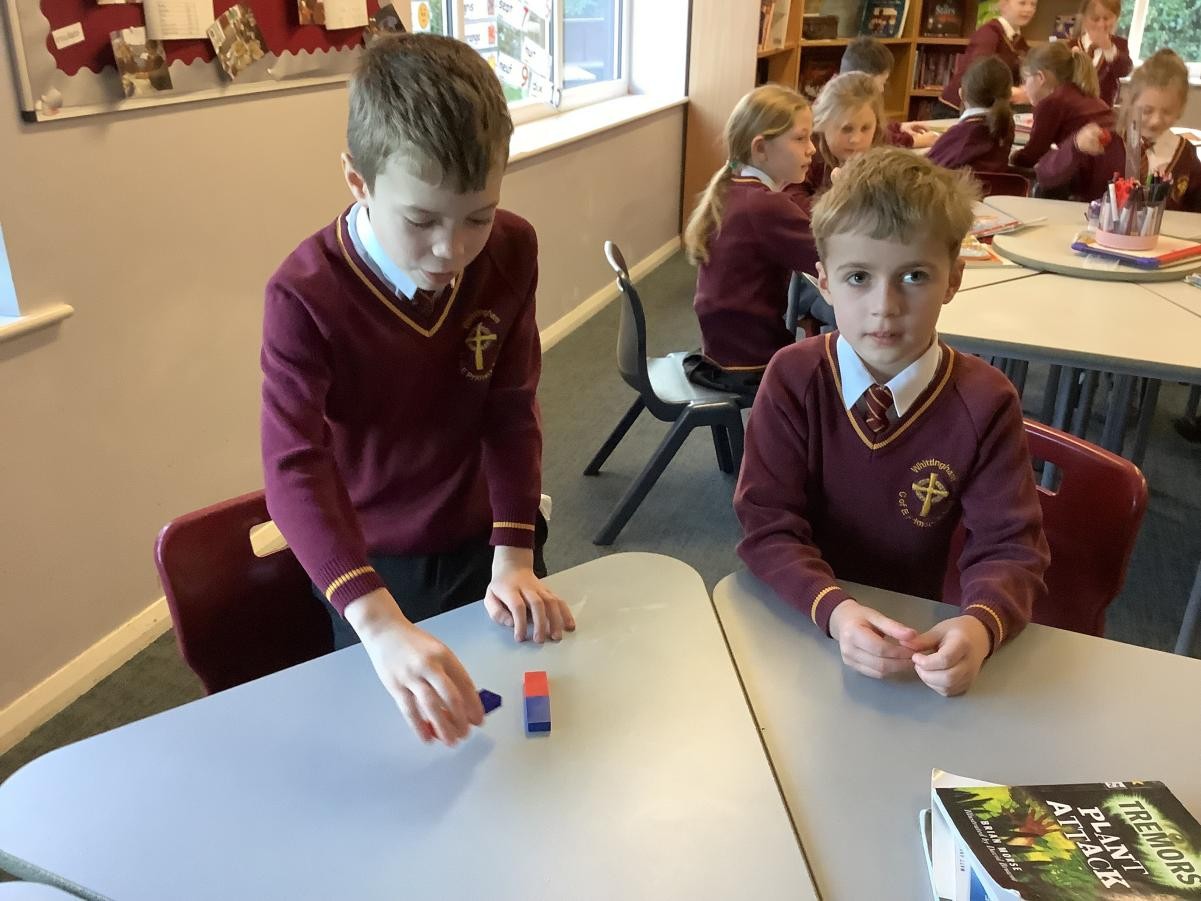
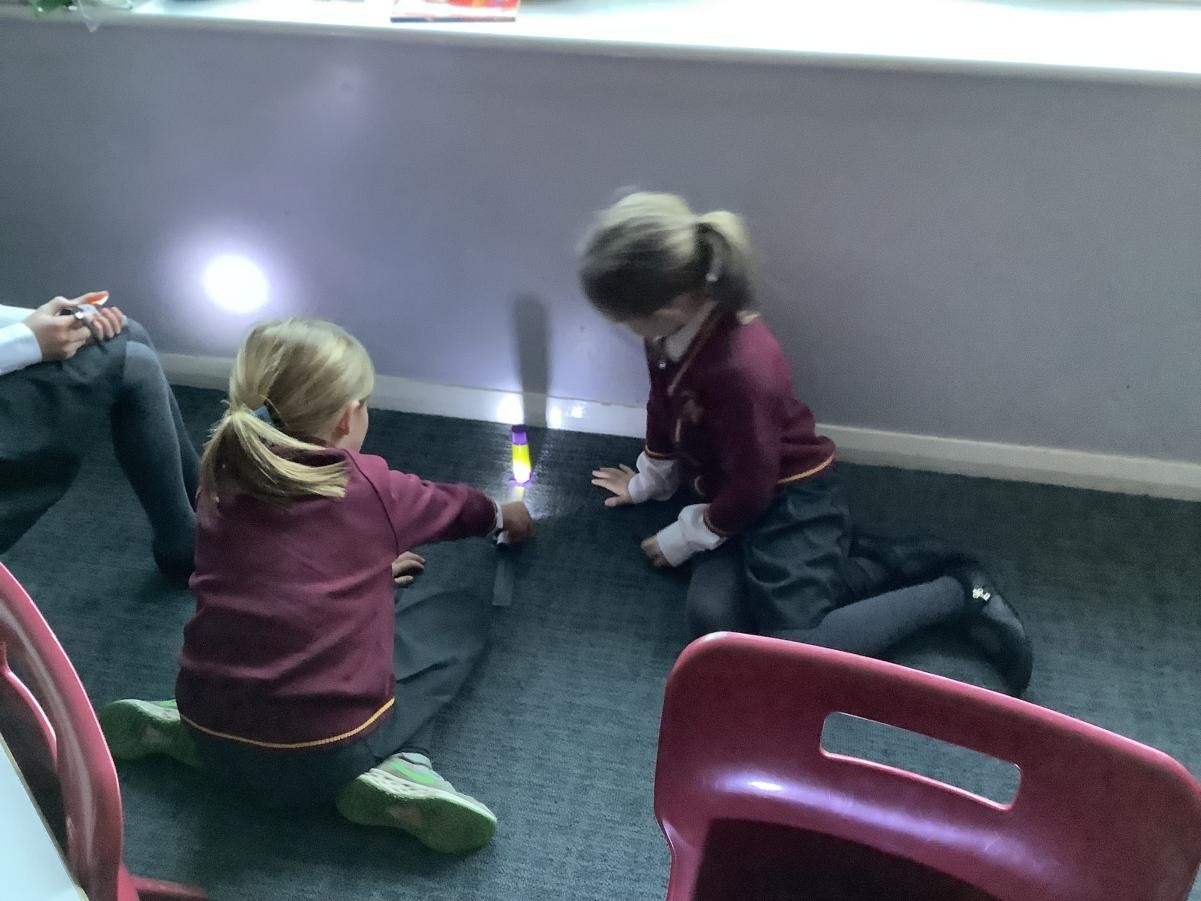
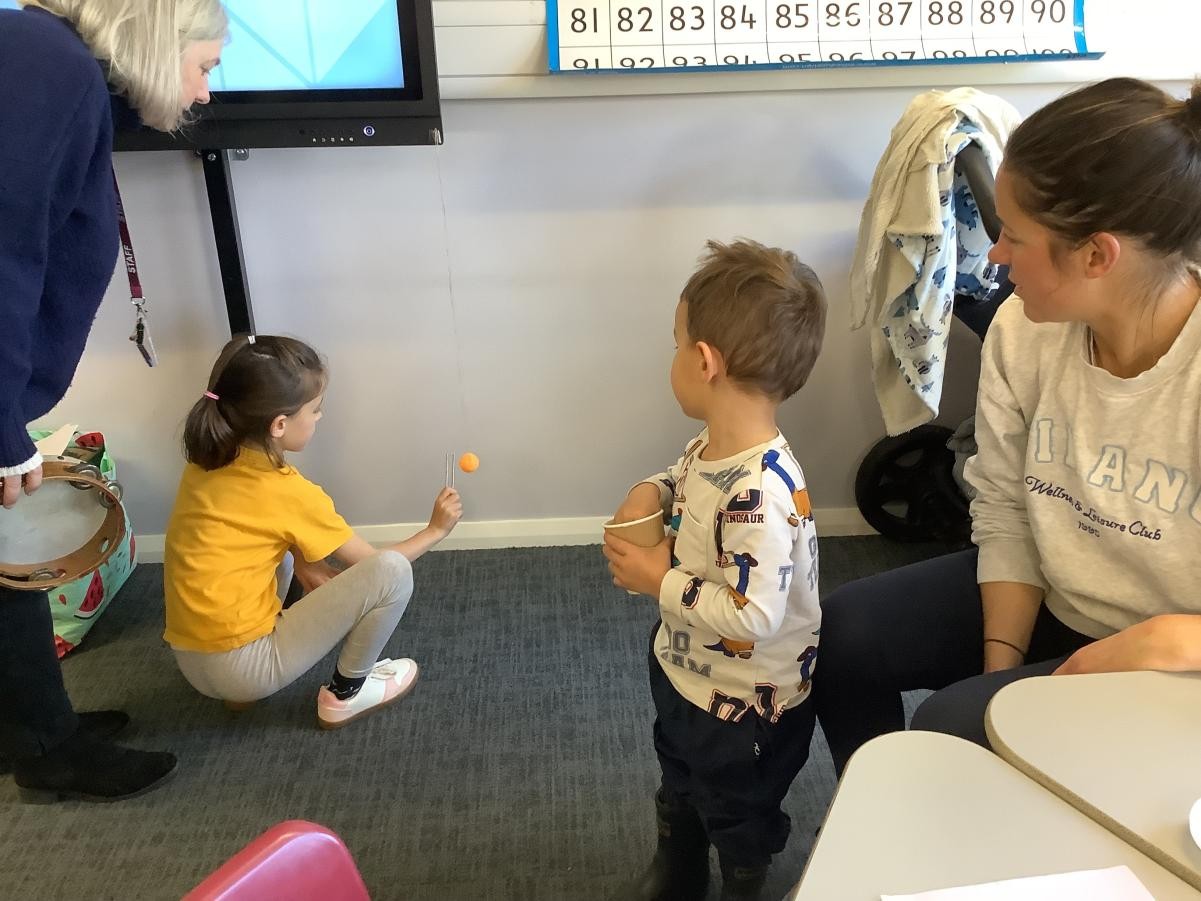
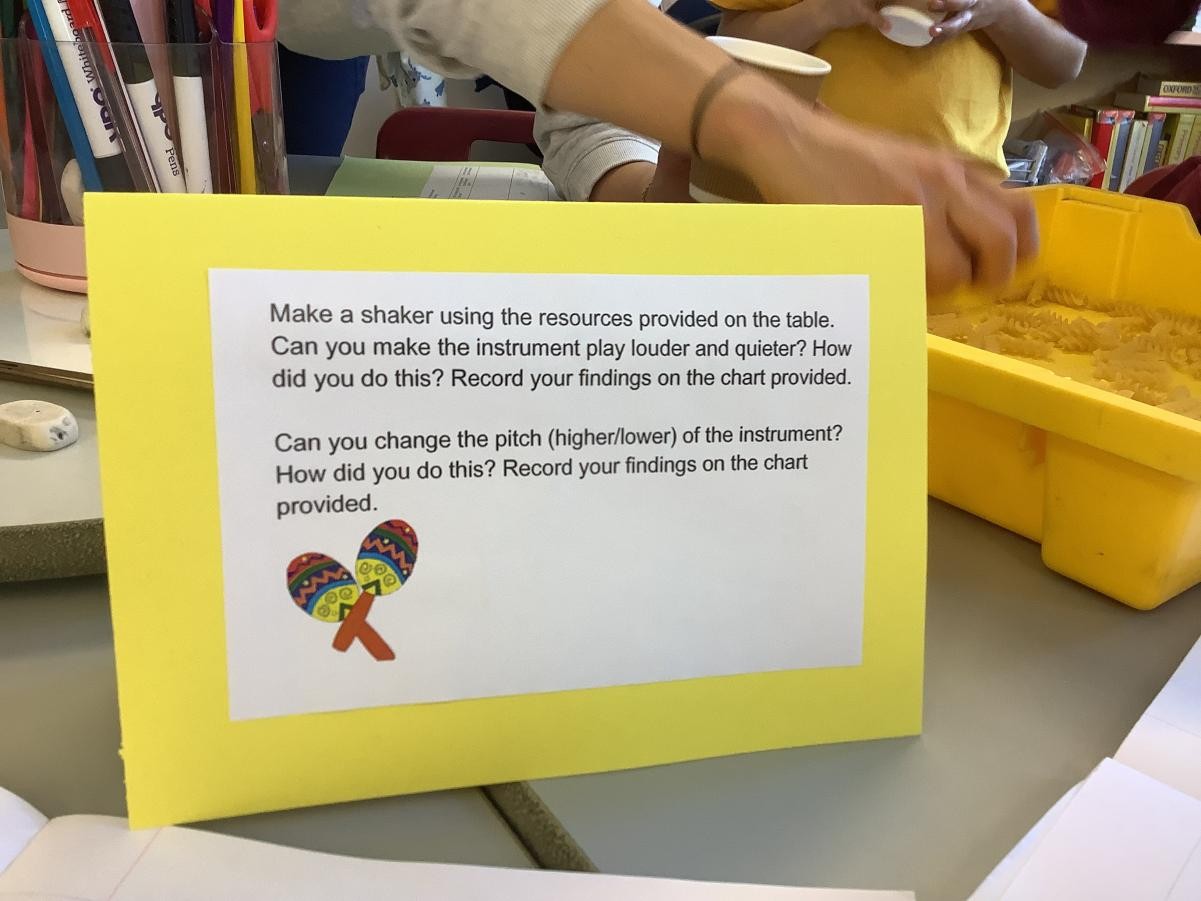
Science at Whittingham Church of England Primary School Intent At Whittingham Church of England Primary School, we recognise the importance of science in helping children to understand themselves, their local environment and the wider world. Our intention is to provide an ambitious, engaging and inclusive science curriculum that inspires curiosity, develops scientific thinking and encourages children to ask questions about the world around them. We want every child to develop secure scientific knowledge, a love of investigation and an understanding of how science impacts everyday life. Our curriculum is carefully sequenced to ensure children progressively develop their understanding of biology, chemistry and physics alongside the skills of working scientifically. We place great importance on developing scientific vocabulary, practical enquiry and opportunities for children to think critically, solve problems and communicate their ideas with confidence. Making the most of our rural setting, children regularly explore the natural environment through outdoor learning, educational visits and first-hand experiences. Through science, we encourage children to become kind, collaborative and courageous citizens who value evidence, care for God's creation and understand their responsibility to protect the environment for future generations. Implementation Science is taught through a carefully planned curriculum that builds knowledge and skills progressively from the Early Years Foundation Stage to the end of Key Stage 2. Lessons begin by revisiting prior learning before introducing new knowledge, enabling children to make connections and retain important scientific concepts over time. Practical enquiry sits at the heart of our curriculum, with children regularly observing, questioning, investigating, measuring, recording and evaluating their findings using appropriate scientific vocabulary. Teachers use effective questioning and ongoing assessment to identify misconceptions and ensure children develop a secure understanding before moving on. Reading, writing and mathematics are naturally incorporated into science through research, recording observations, presenting data and explaining scientific ideas. Learning is enriched through outdoor learning, visits, visitors and the unique opportunities our local environment provides. Our curriculum is fully inclusive, with lessons carefully adapted so that every child, including those with SEND, can achieve success whilst providing appropriate challenge for all learners. Impact Children leave Whittingham Church of England Primary School with secure scientific knowledge, a strong understanding of how science helps us understand the world and the confidence to think and work like scientists. They are able to ask thoughtful questions, carry out investigations safely, use scientific vocabulary accurately, explain their thinking and apply their learning to new situations. They understand the importance of evidence, appreciate the wonders of the natural world and recognise the role science plays in improving people's lives and protecting the environment. Pupil voice demonstrates that children enjoy science, are curious learners and can confidently discuss what they have learned and remembered. They leave us well prepared for the next stage of their education as enthusiastic, resilient and responsible learners who are ready to contribute positively to their community and the wider world. |
This website uses Google Translate
You cannot use this feature without first accepting 3rd Party Cookies.
This website uses Google Translate
You cannot use this feature without first accepting 3rd Party Cookies.