|
English at Whittingham Church of England Primary School Intent At Whittingham Church of England Primary School, our vision is that hand in hand, we will become kind, collaborative and courageous citizens of our community and the wider world. Inspired by the story of The Good Samaritan (Luke 10:25–37), we recognise that language lies at the heart of learning and is fundamental to every aspect of school life. Our English curriculum is designed to develop confident, fluent readers, thoughtful writers and articulate communicators who develop a lifelong love of language and literature. We believe that reading opens doors to opportunity, broadens horizons and enables children to flourish academically, socially, emotionally and spiritually. Through a carefully sequenced curriculum, children progressively develop the knowledge, skills and understanding required to communicate effectively through speaking, listening, reading and writing. We place high expectations on all learners and ensure every child, regardless of starting point, is supported and challenged to achieve their full potential. Reading is at the heart of our curriculum. Through high-quality systematic synthetic phonics, rich vocabulary instruction and exposure to high-quality, diverse texts, children develop the fluency, comprehension and confidence needed to become enthusiastic and independent readers. Alongside this, our writing curriculum enables children to write with increasing accuracy, creativity and purpose across a range of genres and audiences. We are committed to ensuring every child develops the language, knowledge and cultural capital needed to flourish in education and beyond, enabling them to become kind, collaborative and courageous citizens within their community and the wider world. Implementation English is taught through a carefully planned, ambitious and progressive curriculum that reflects the expectations of the National Curriculum, the Reading Framework and the Writing Framework. Across our English curriculum we will: deliver a well-sequenced curriculum that builds progressively on prior knowledge, skills and understanding; teach Systematic Synthetic Phonics (we use RWI) with fidelity through our chosen programme, ensuring early reading is prioritised and children receive timely support to become fluent readers; provide daily opportunities for reading, writing, speaking and listening across the curriculum; explicitly teach ambitious vocabulary, grammar, punctuation and spelling, revisiting key knowledge regularly to strengthen long-term learning; use high-quality texts to inspire reading, discussion and purposeful writing across a wide range of genres; develop children's fluency, comprehension and reading stamina through regular guided, shared and independent reading opportunities; teach writing through carefully modelled examples, shared composition and opportunities to plan, draft, edit, improve and publish their work; encourage children to write for real audiences and meaningful purposes across the wider curriculum; provide regular opportunities for rich classroom discussion, debate and oral rehearsal to develop confidence and communication skills; ensure learning is inclusive and appropriately adapted so that every child, including those with SEND, can achieve success and flourish; promote a love of reading through carefully chosen class texts, well-stocked reading environments, library experiences, author engagement and opportunities to read for pleasure; display and revisit ambitious vocabulary to support children's language development and encourage increasingly sophisticated communication. Impact Through our English curriculum, children will develop the knowledge, skills and confidence to become fluent readers, capable writers and effective communicators. Children will demonstrate: a genuine enjoyment of reading and writing, choosing to engage with books and literature independently; secure phonics knowledge and increasing fluency that enables them to access the wider curriculum; the ability to read accurately, fluently and with understanding across a wide range of increasingly challenging texts; confidence in writing with purpose, creativity and technical accuracy for a range of audiences and purposes; a rich and ambitious vocabulary that enhances both spoken and written communication; increasing independence when planning, editing and improving their work; resilience, curiosity and pride in their achievements as readers, writers and communicators; an appreciation of the power of language to inspire, inform, connect and influence others. Vocabulary and key learning will be displayed, revisited and celebrated throughout classrooms and around the school, creating language-rich environments that support every learner. The impact of English will be evaluated through: ongoing formative assessment and high-quality questioning; teacher assessment informed by the school's progression framework; regular assessment of phonics, reading fluency, comprehension, spelling and writing; pupil voice and children's reflections on their learning; scrutiny of reading records, English books and writing across the curriculum; lesson observations and curriculum monitoring; statutory assessments and internal summative assessment used to inform future learning. Through our ambitious English curriculum, every child will leave Whittingham Church of England Primary School with the confidence, knowledge and communication skills to flourish in the next stage of their education and beyond. They will recognise the importance of language in shaping relationships, understanding the world and contributing positively to society as kind, collaborative and courageous citizens of their community and the wider world |
-
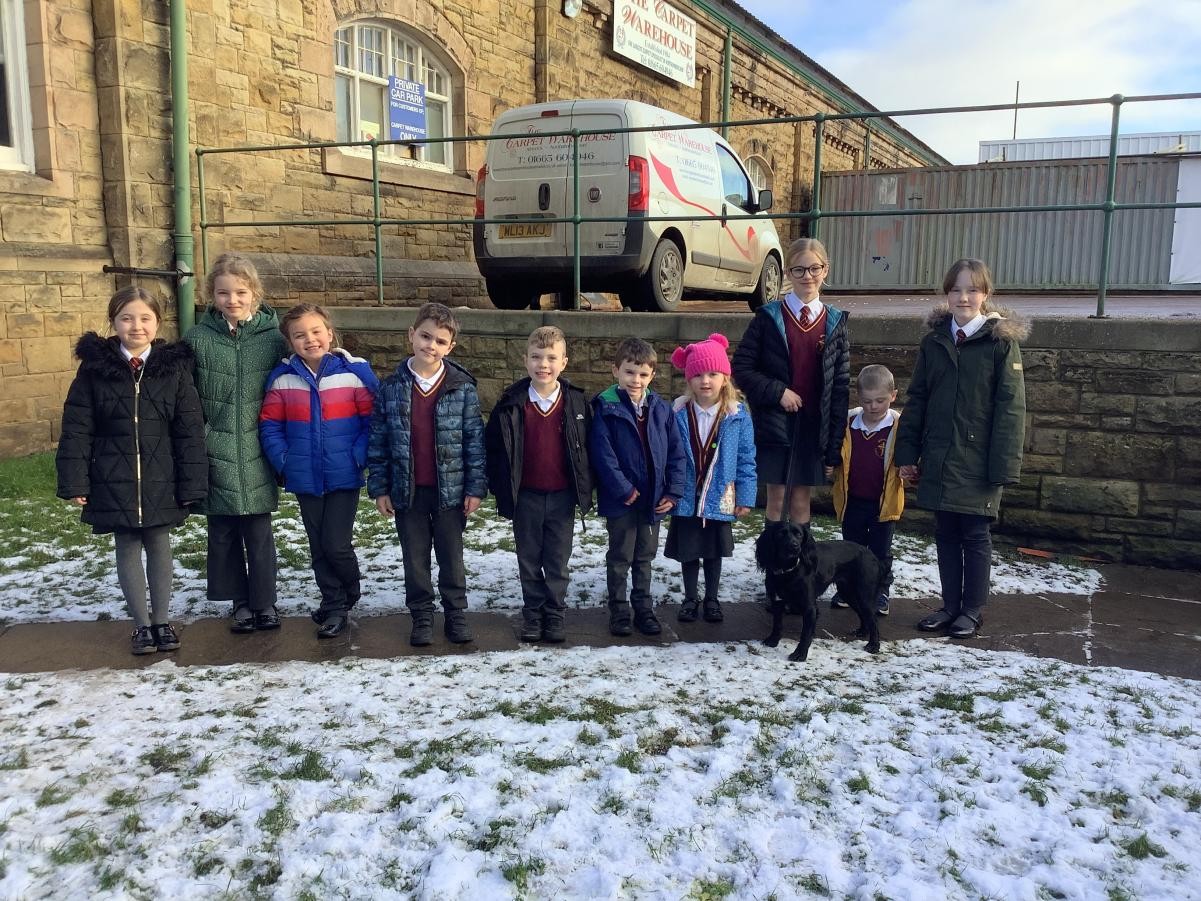
Barter Books Reading Treat - January 2023.
-
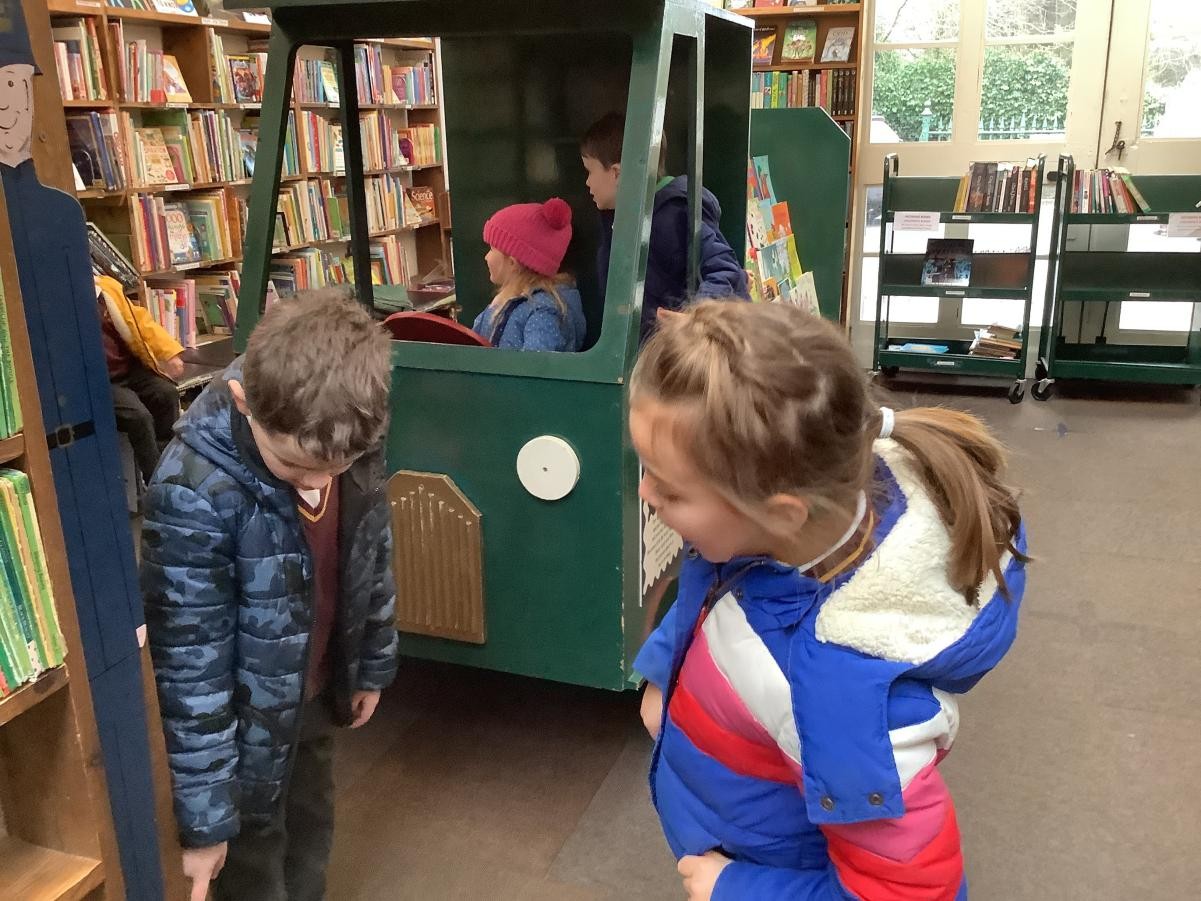
Barter Books Reading Treat - January 2023.
-
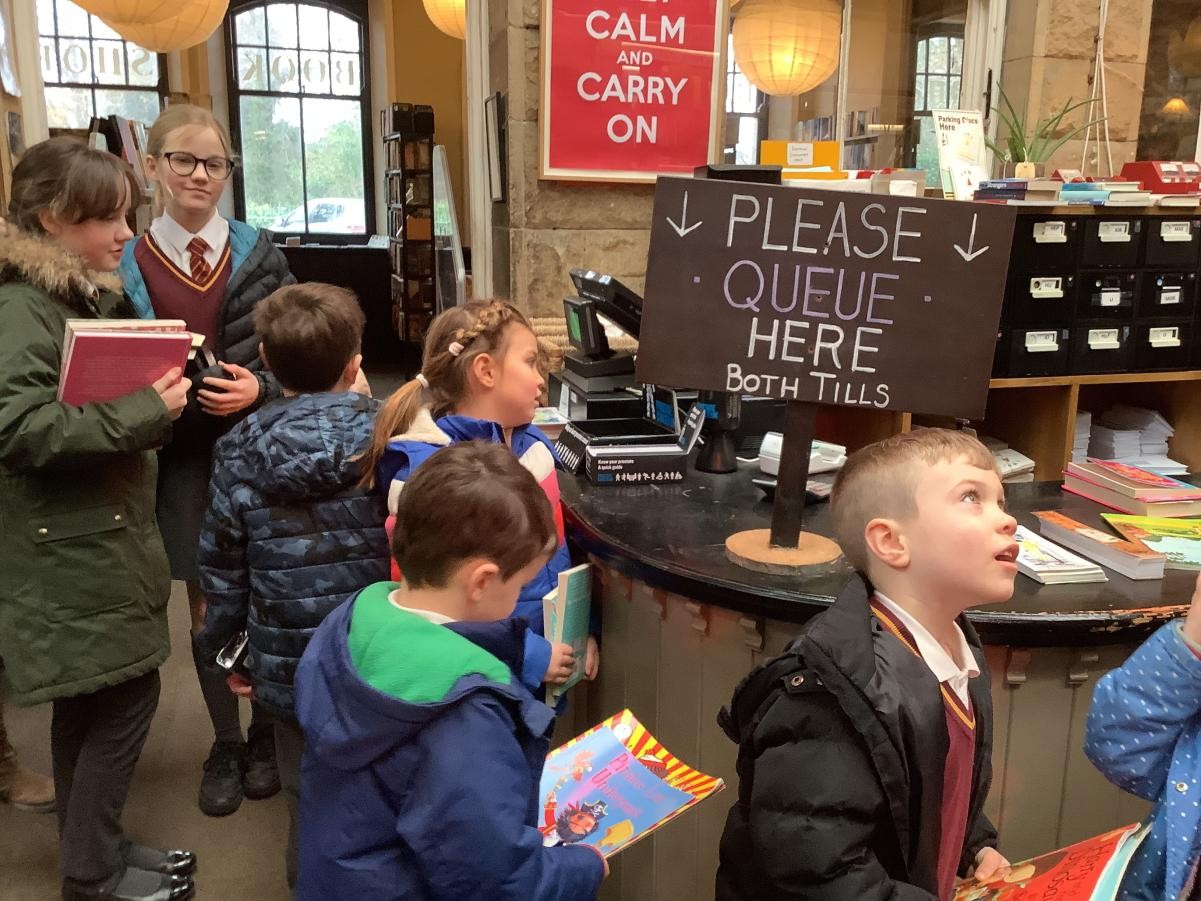
Barter Books Reading Treat - January 2023.
-
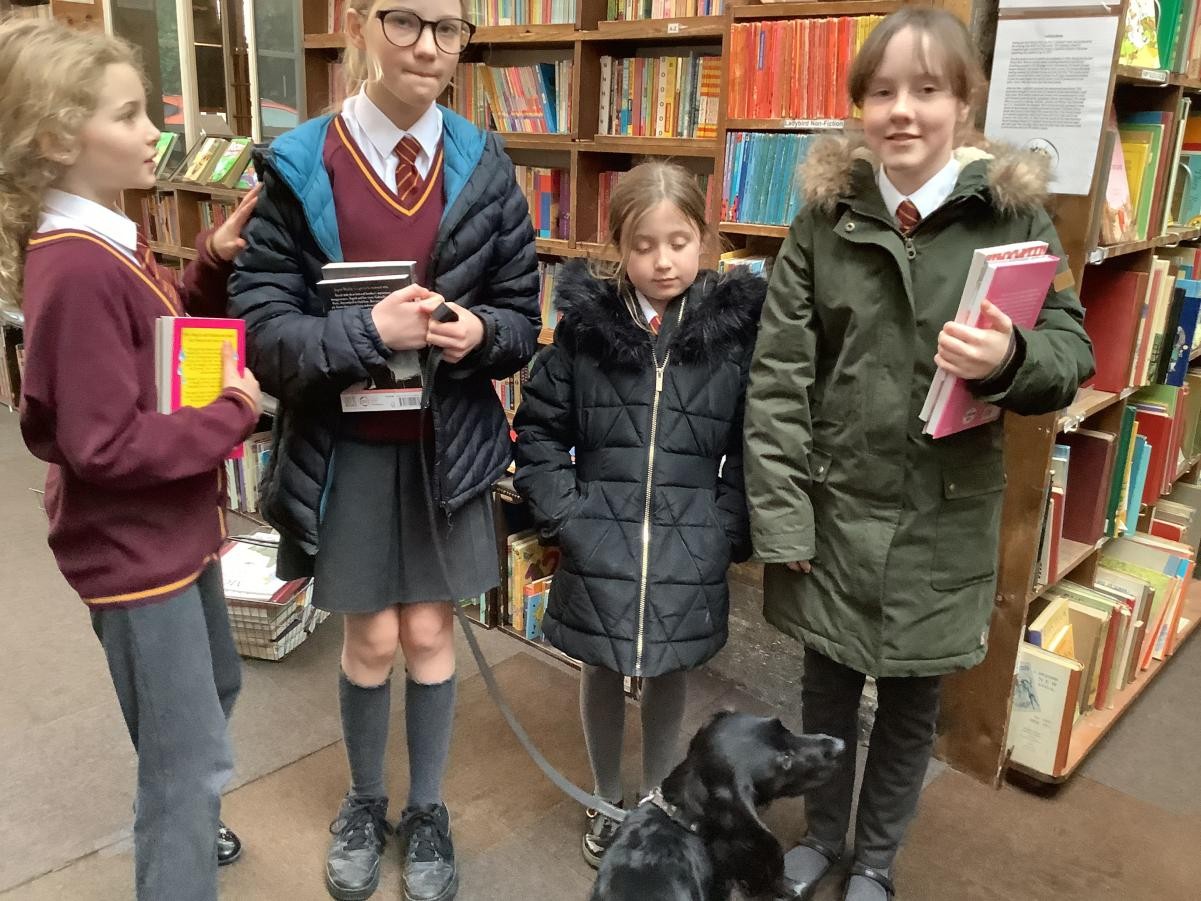
Barter Books Reading Treat - January 2023.
-
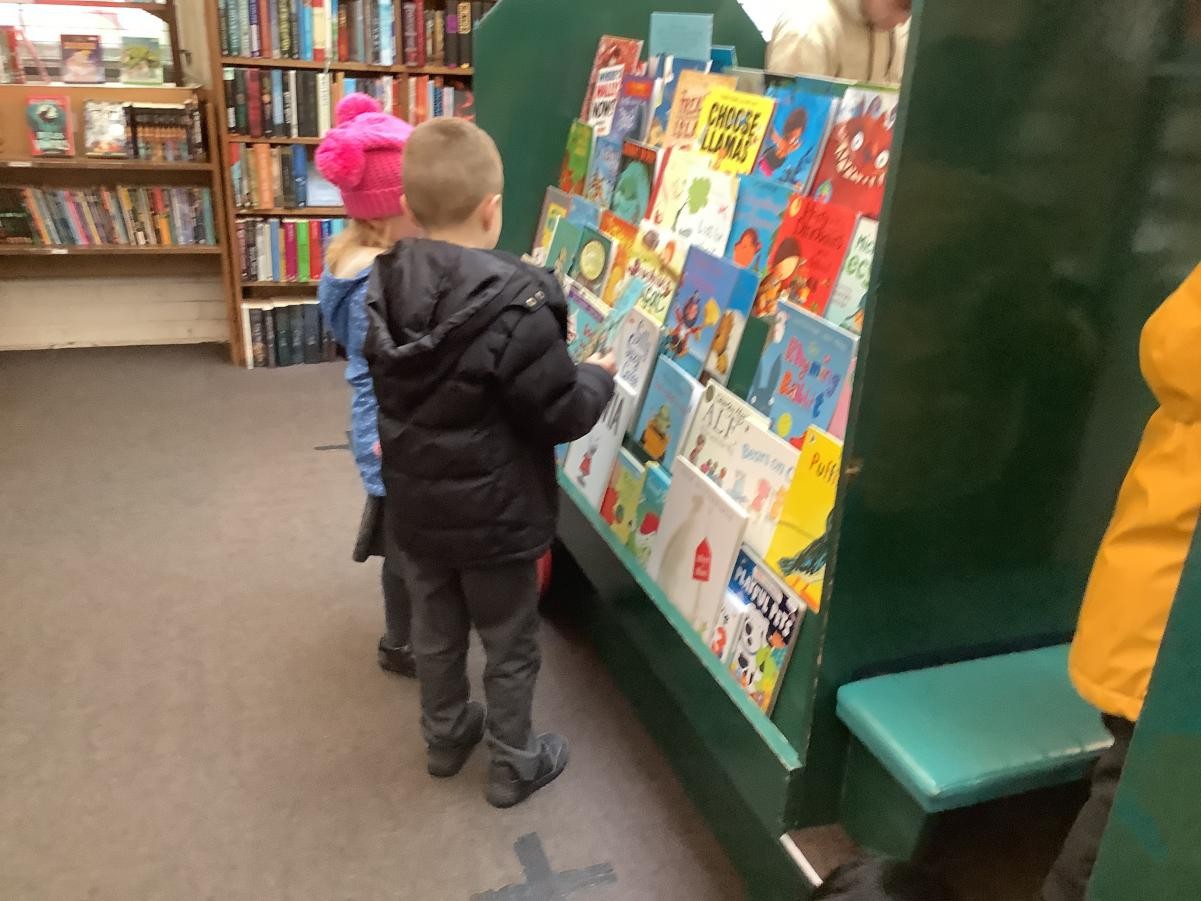
Barter Books Reading Treat - January 2023.
-
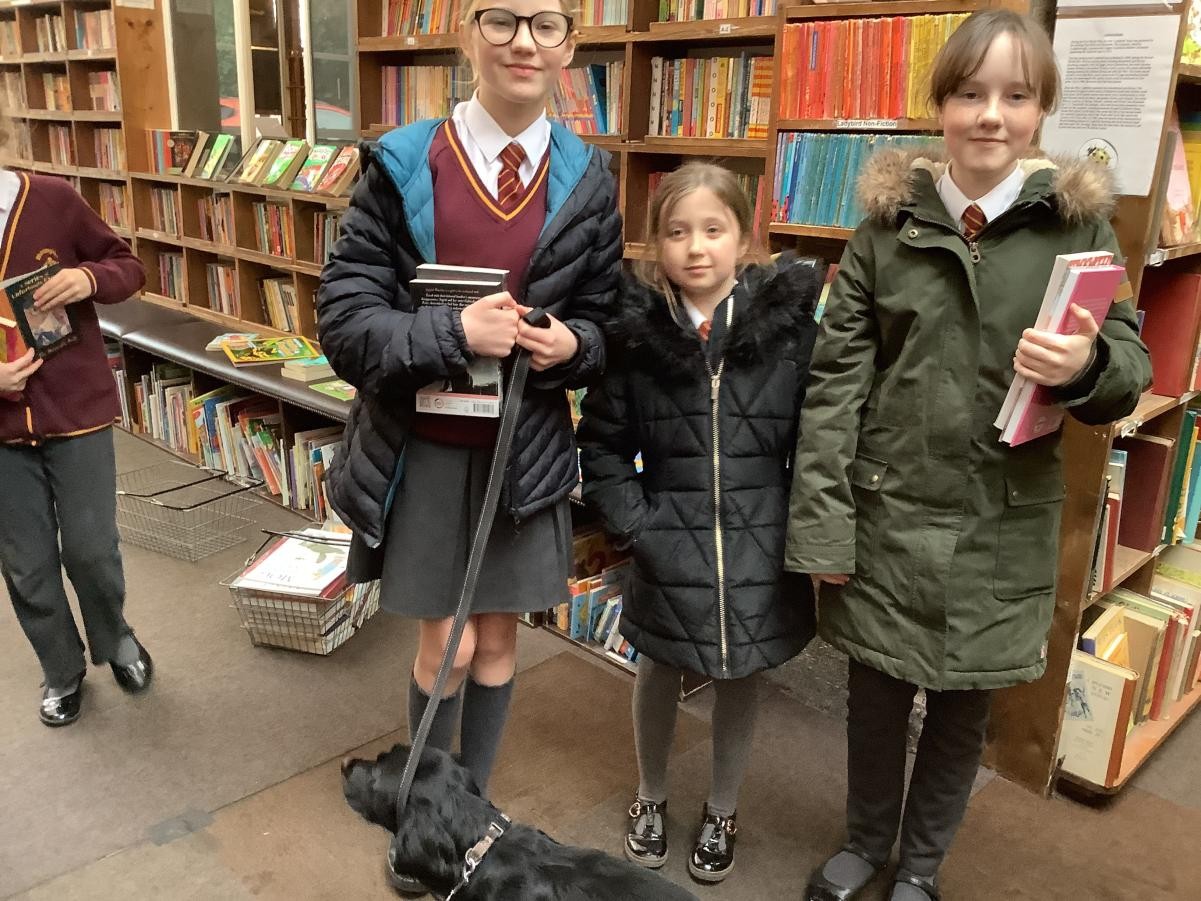
Barter Books Reading Treat - January 2023.
-
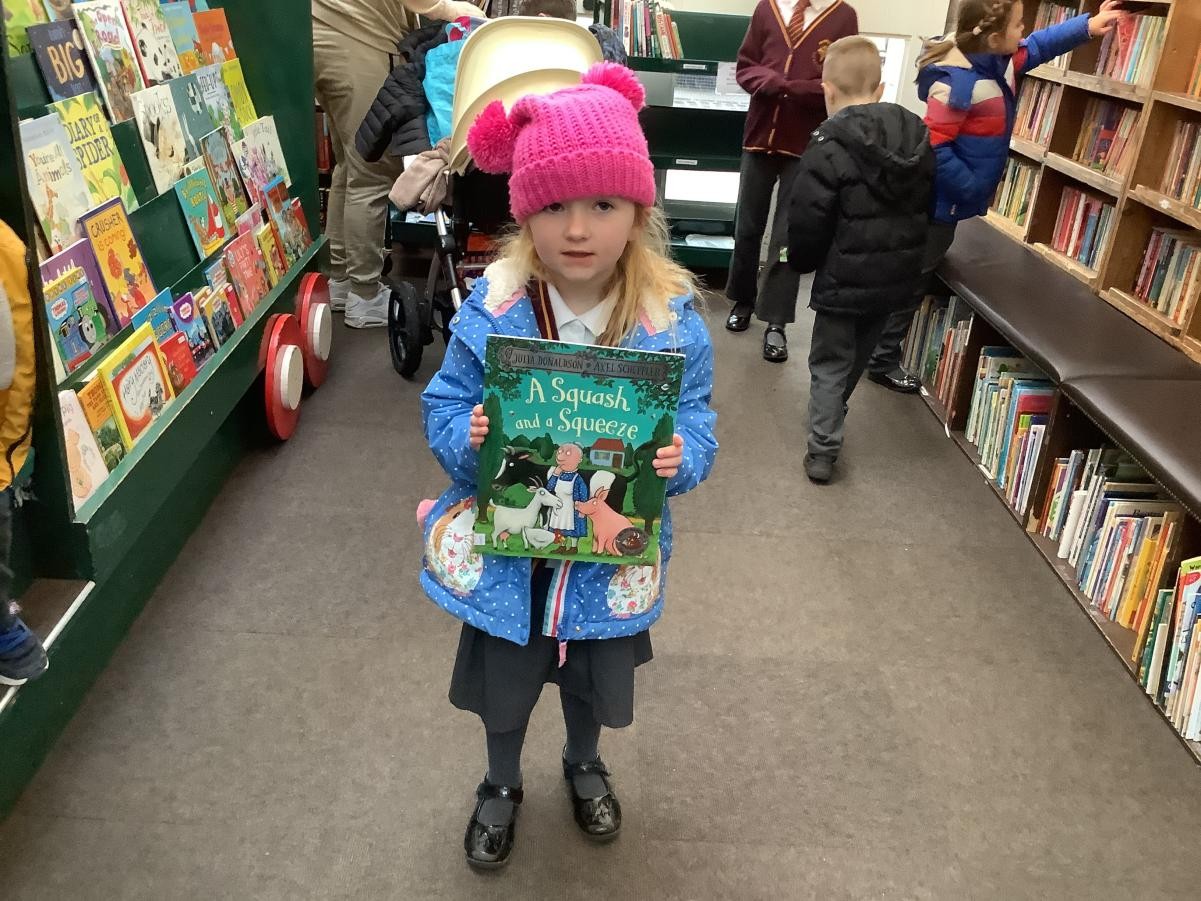
Barter Books Reading Treat - January 2023.
-
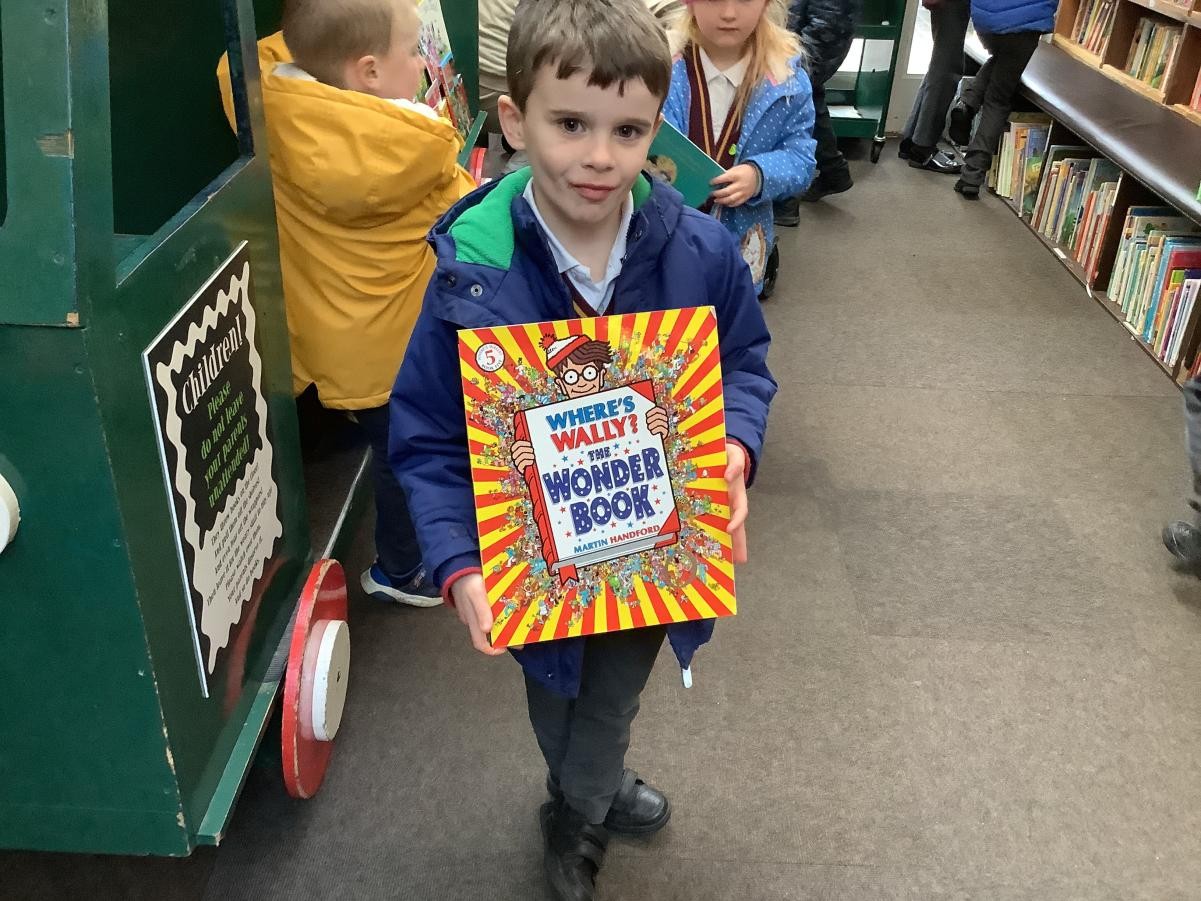
Barter Books Reading Treat - January 2023.
-
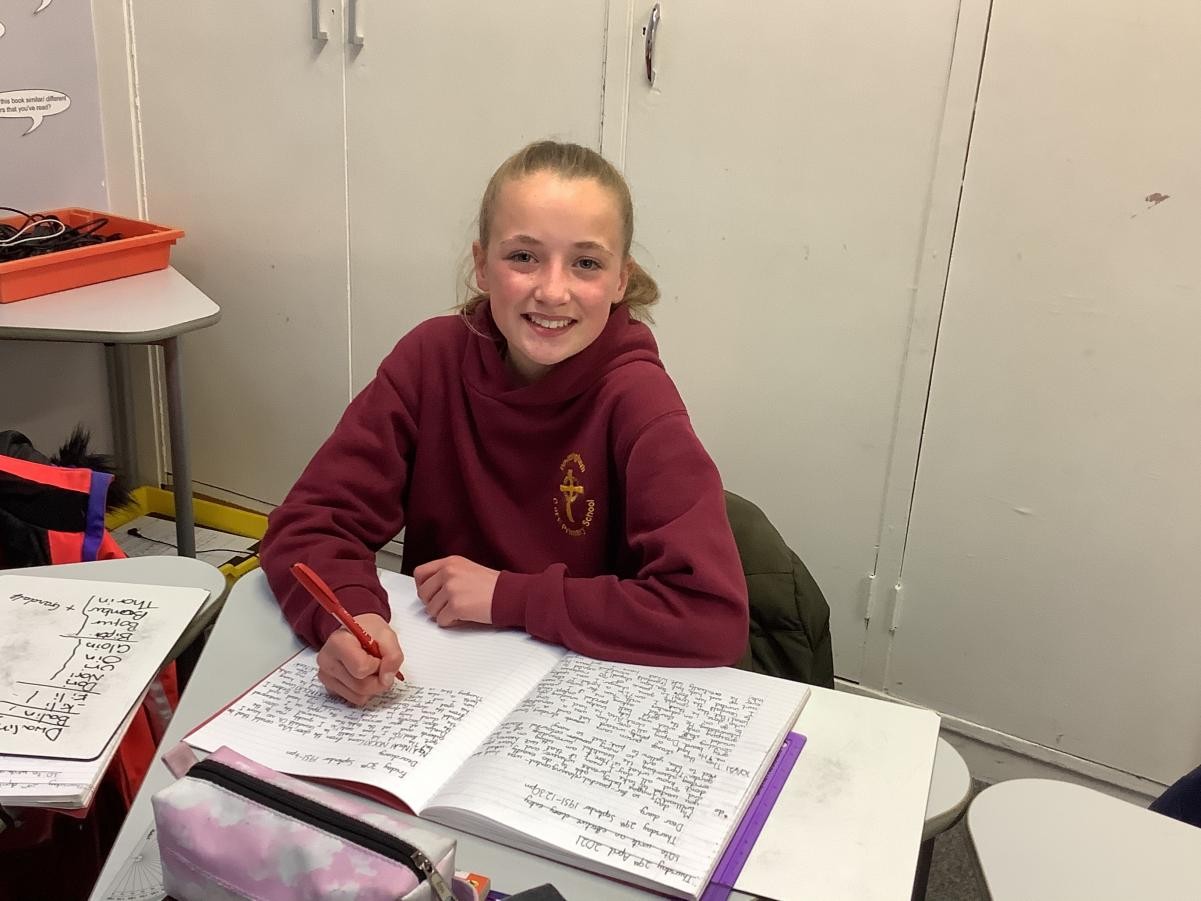
Our regional winner for the whole of the North East- the Rotary Club writing competition In 2022-3 so far we have a local winner too
-
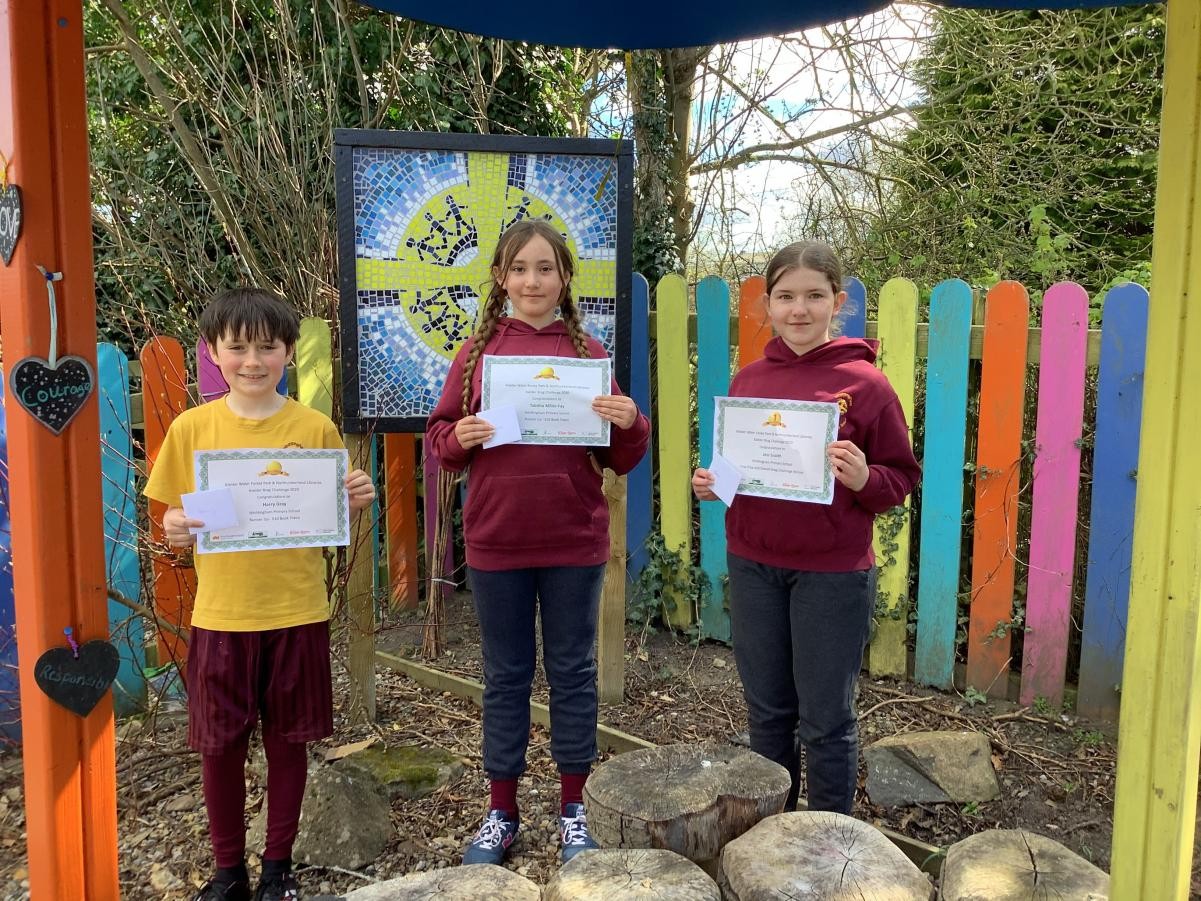
Winning entries, placed 1st, 2nd and 3rd in the Kielder Brag competition which was open to all schools in Northumberland.
-
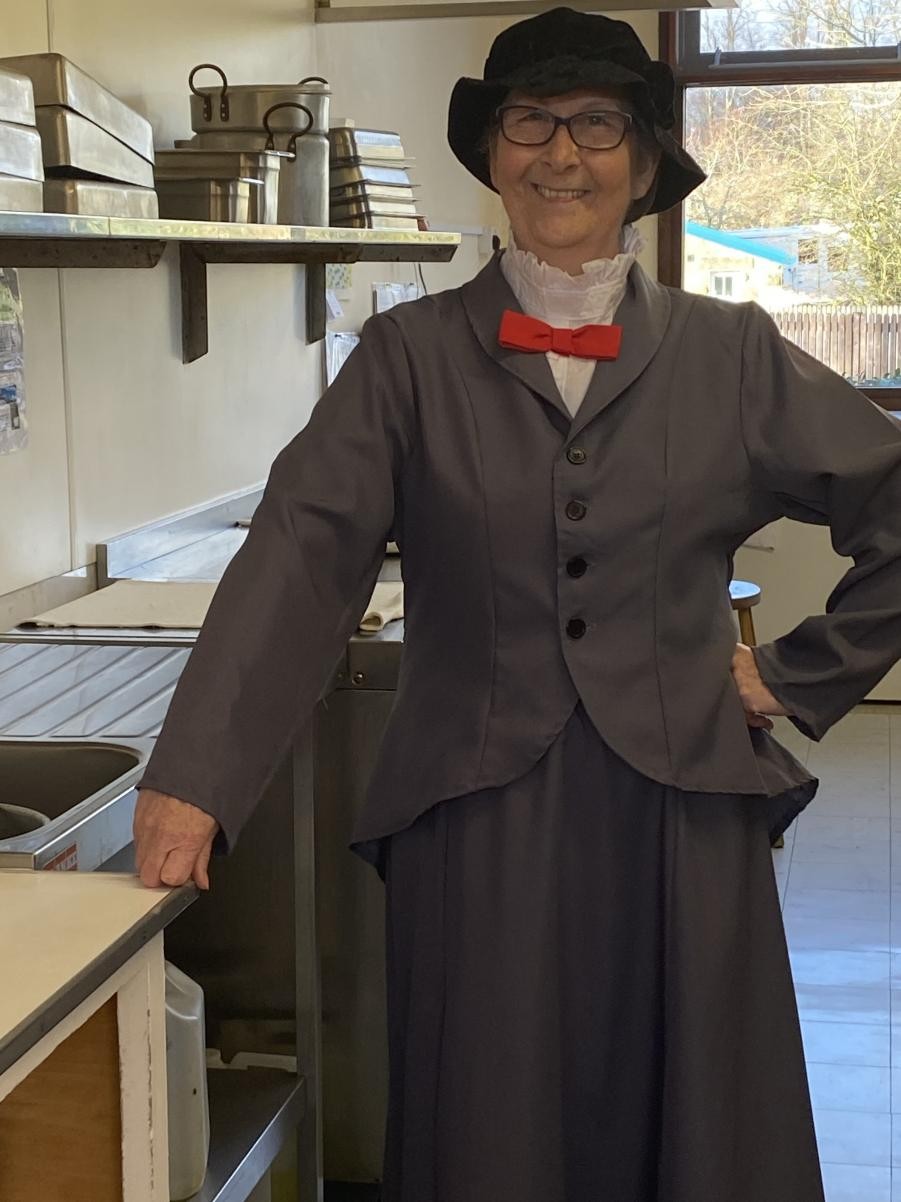
All of our staff get involved in themed days to promote English such as World Book Day.
-
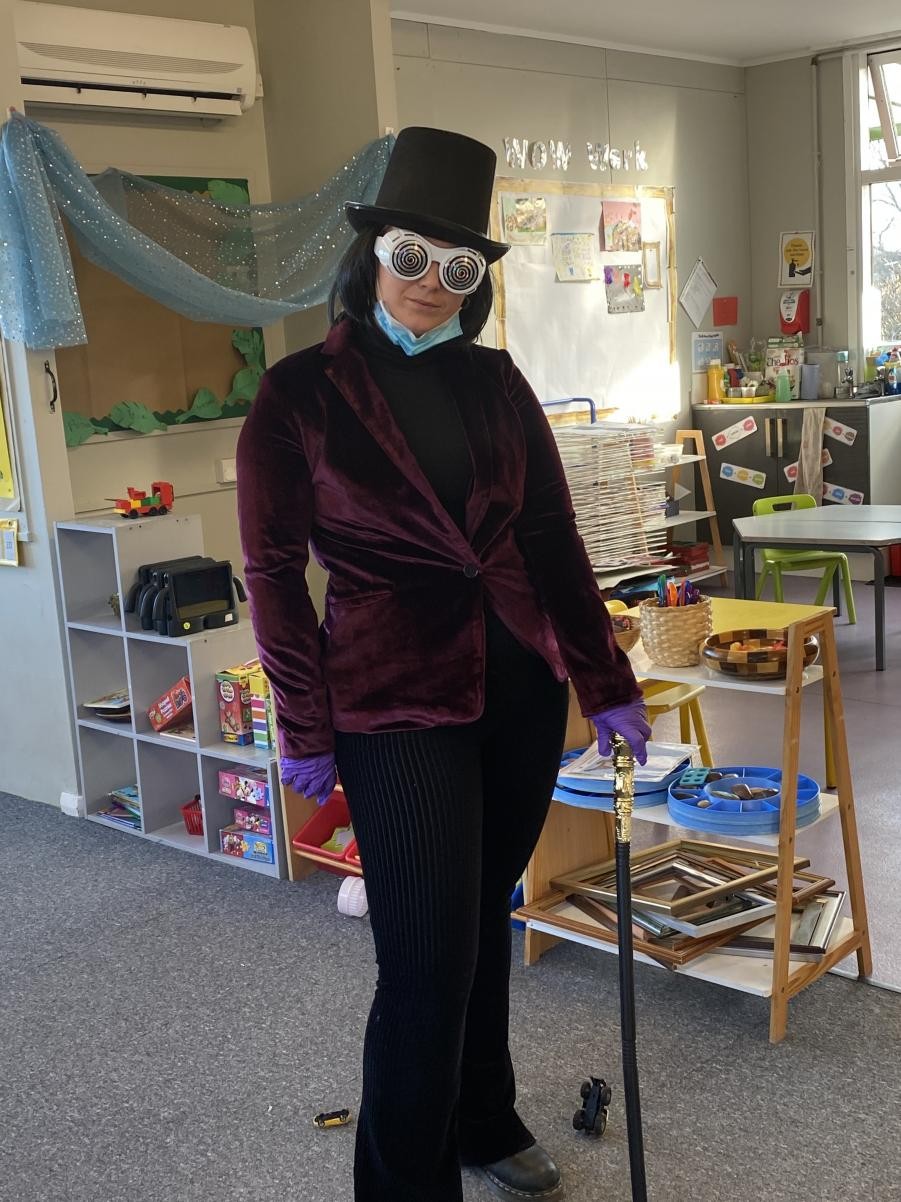
All of our staff get involved in themed days to promote English such as World Book Day.
-
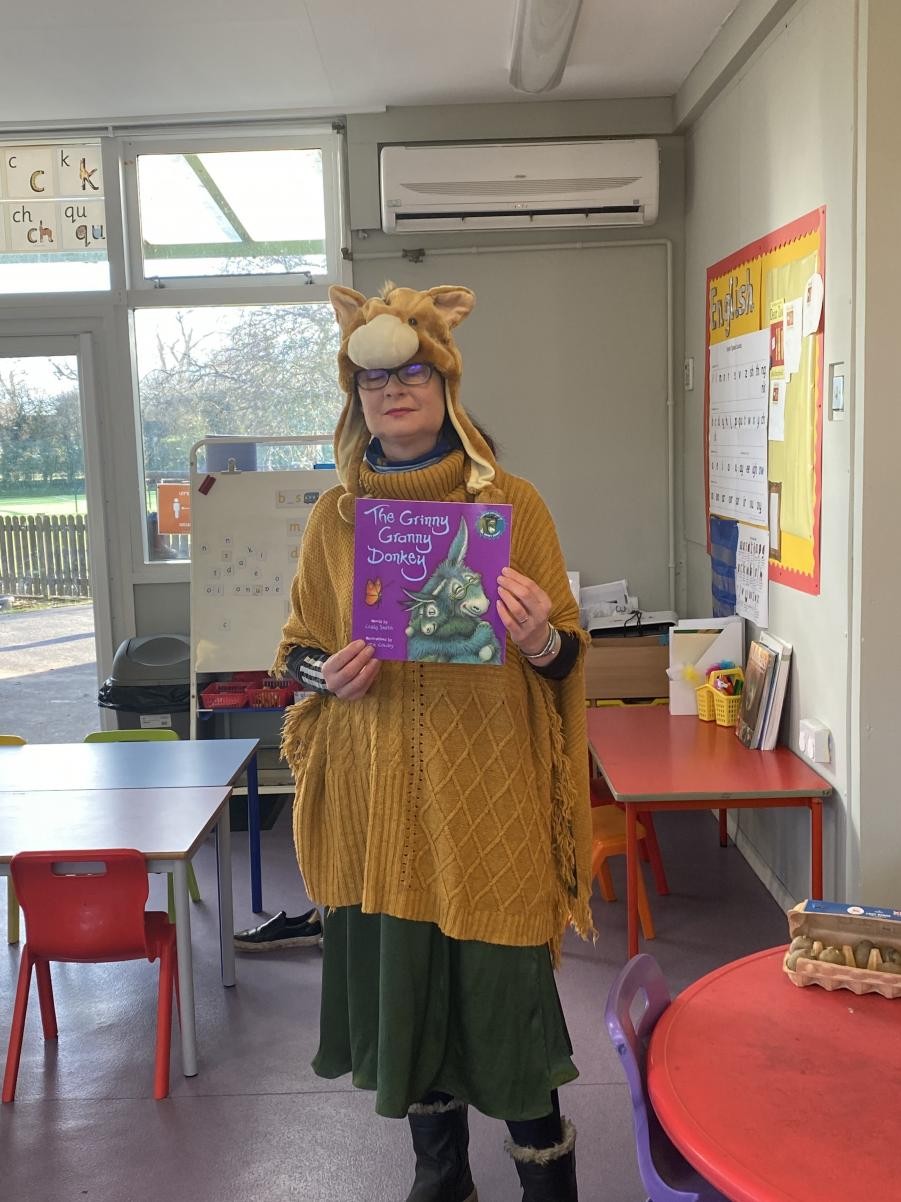
All of our staff get involved in themed days to promote English such as World Book Day.
-
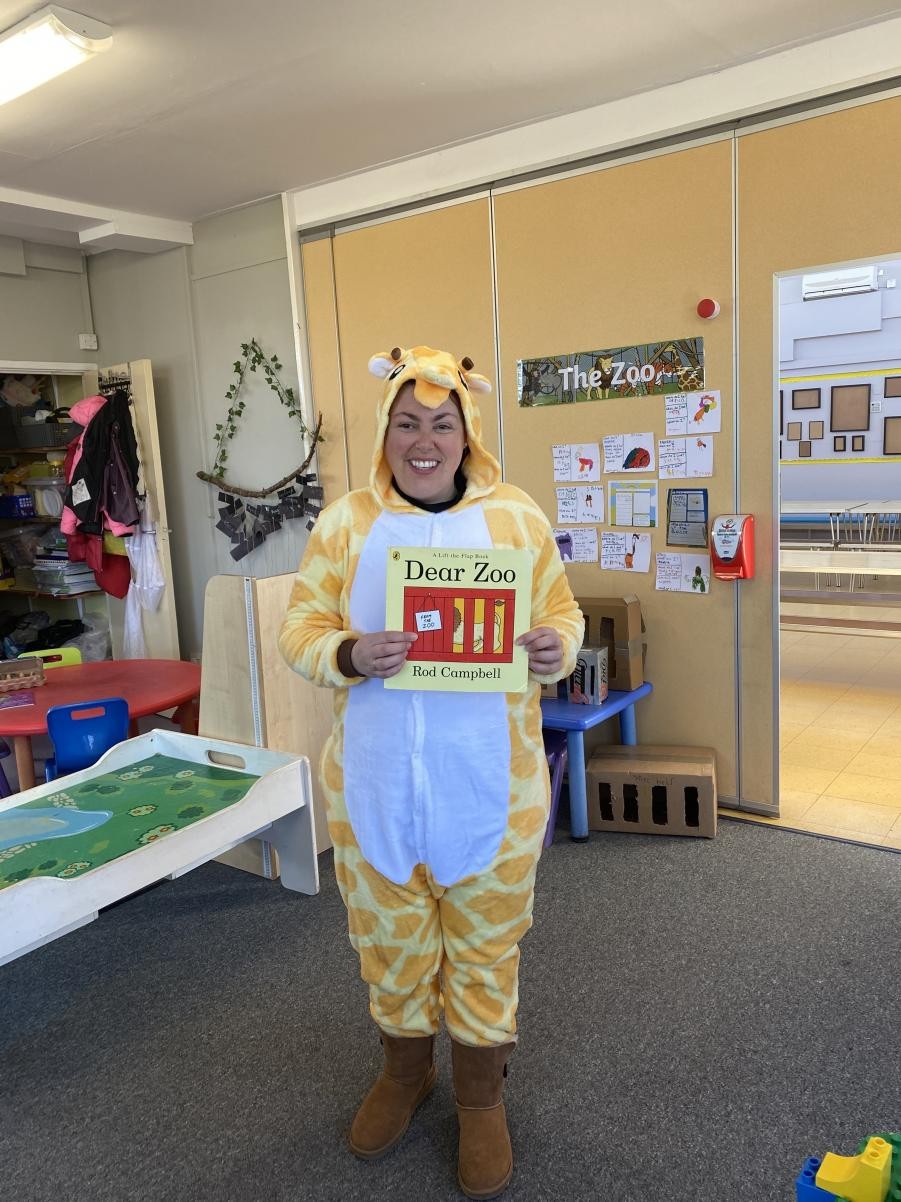
All of our staff get involved in themed days to promote English such as World Book Day.
-
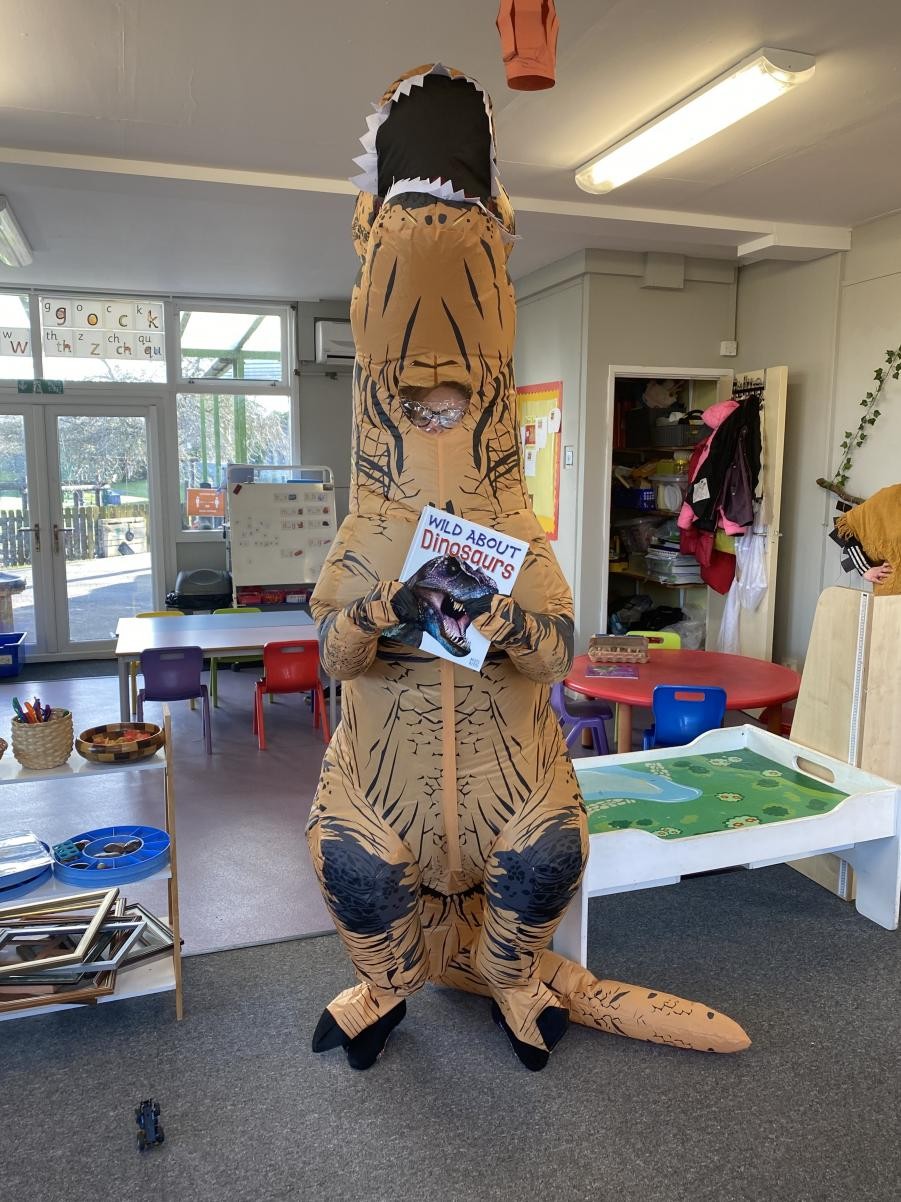
All of our staff get involved in themed days to promote English such as World Book Day.
-

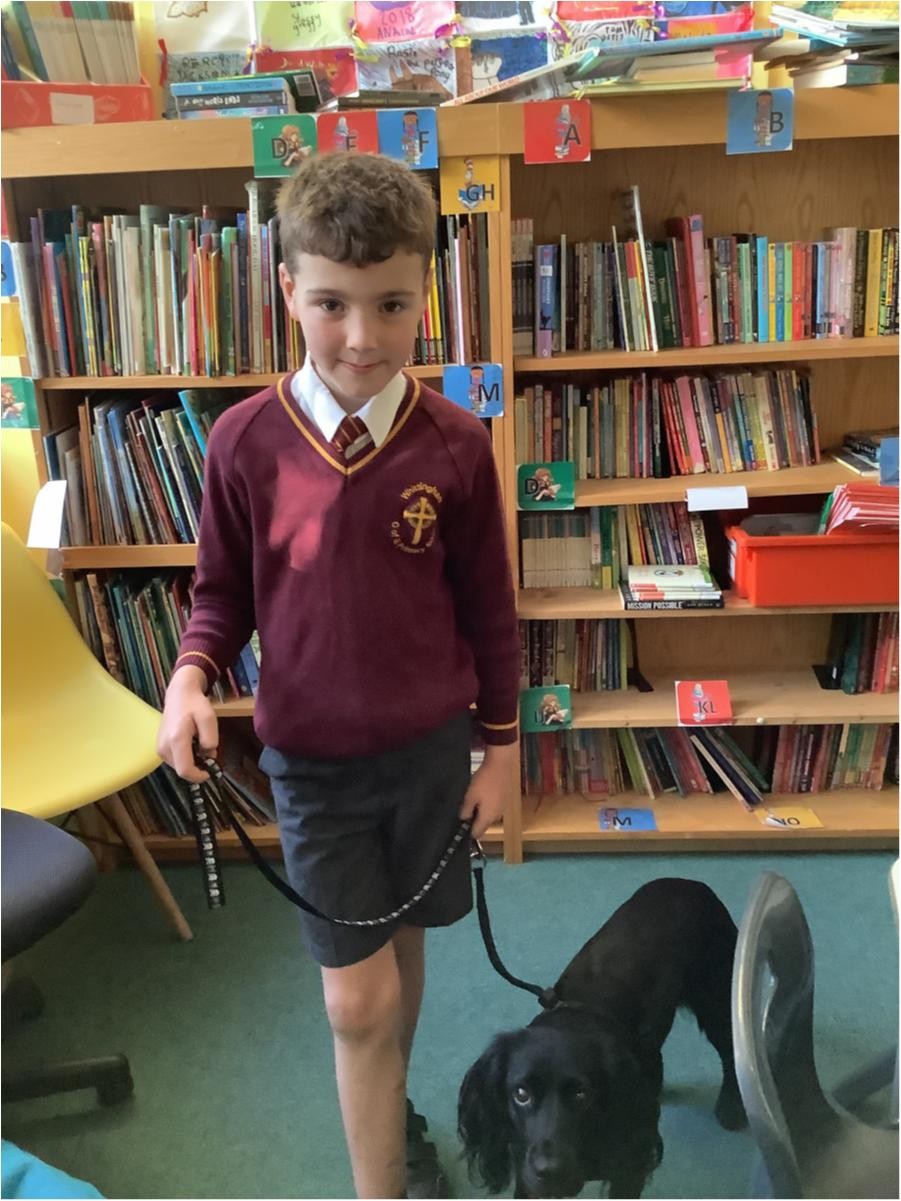
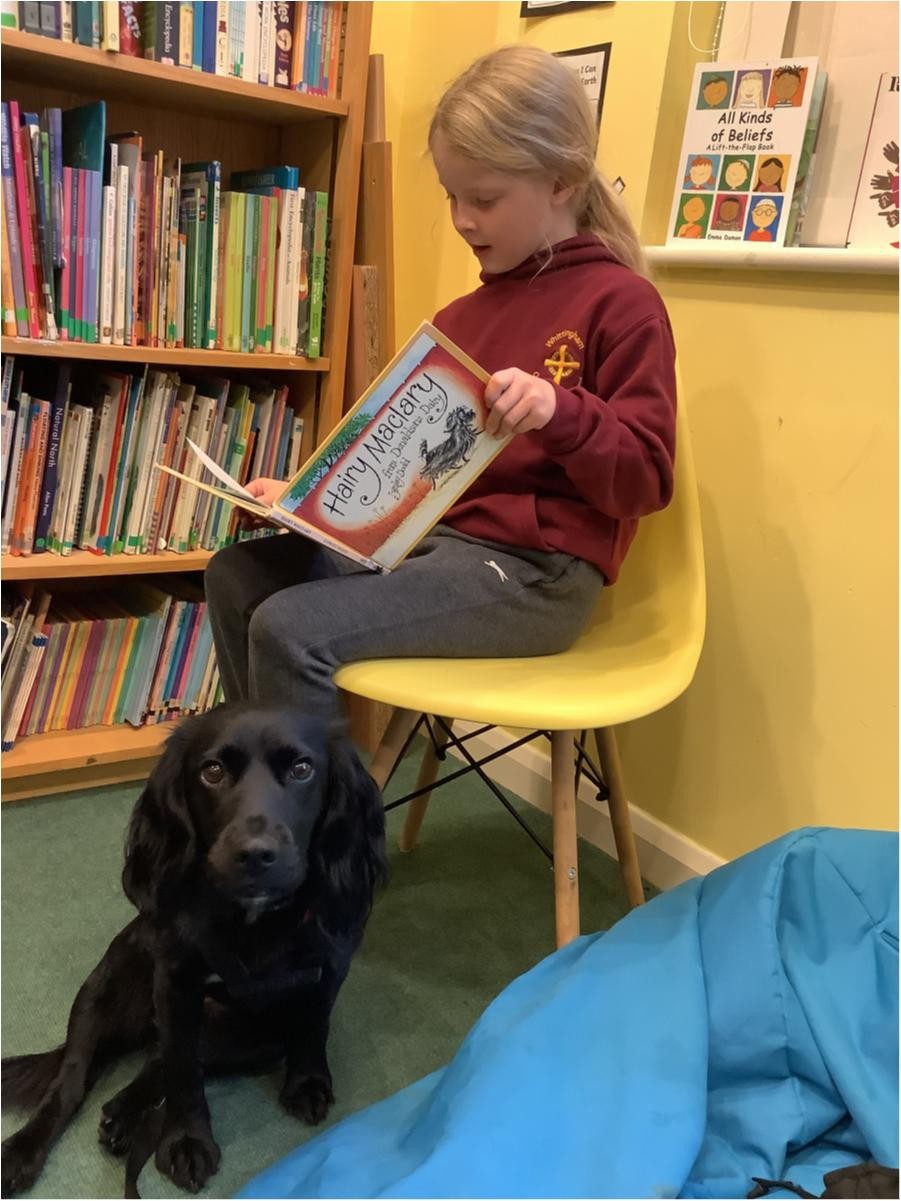
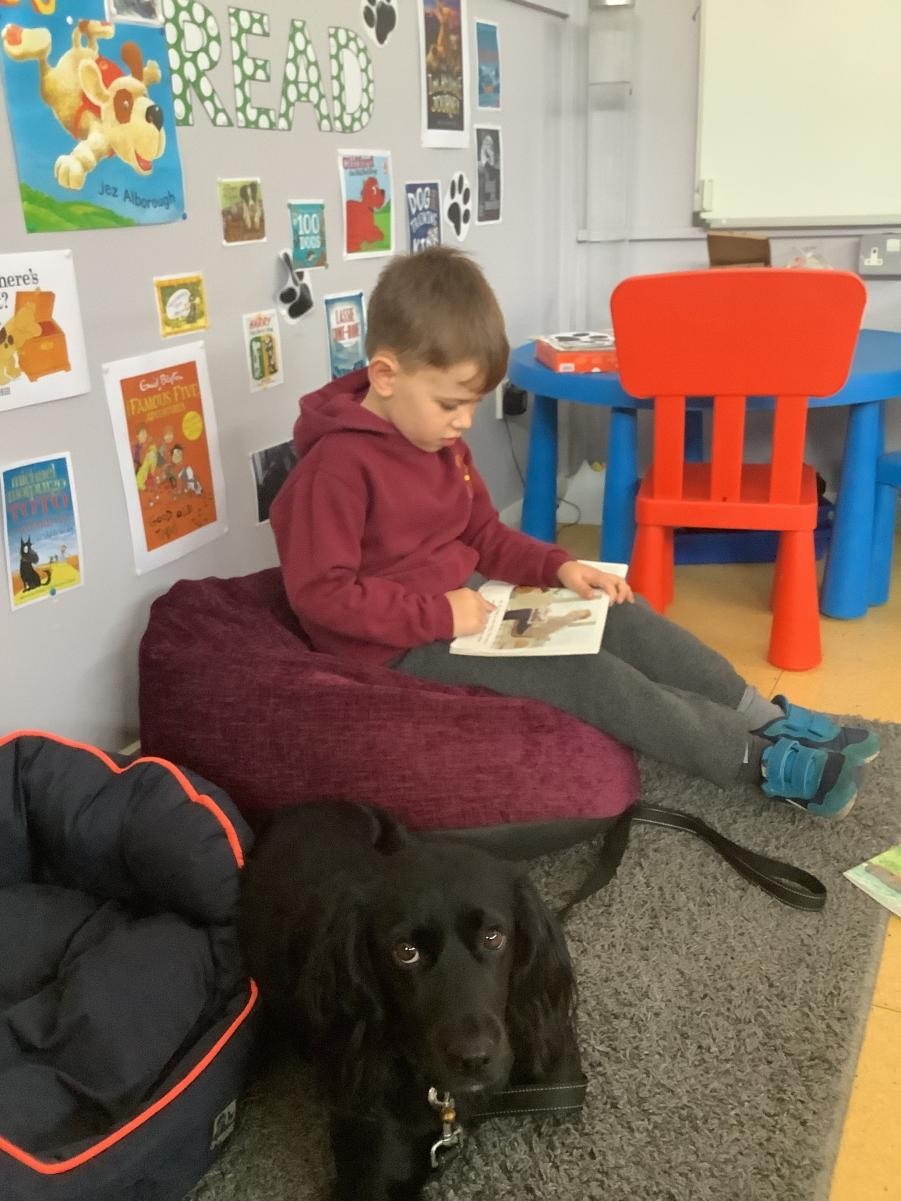
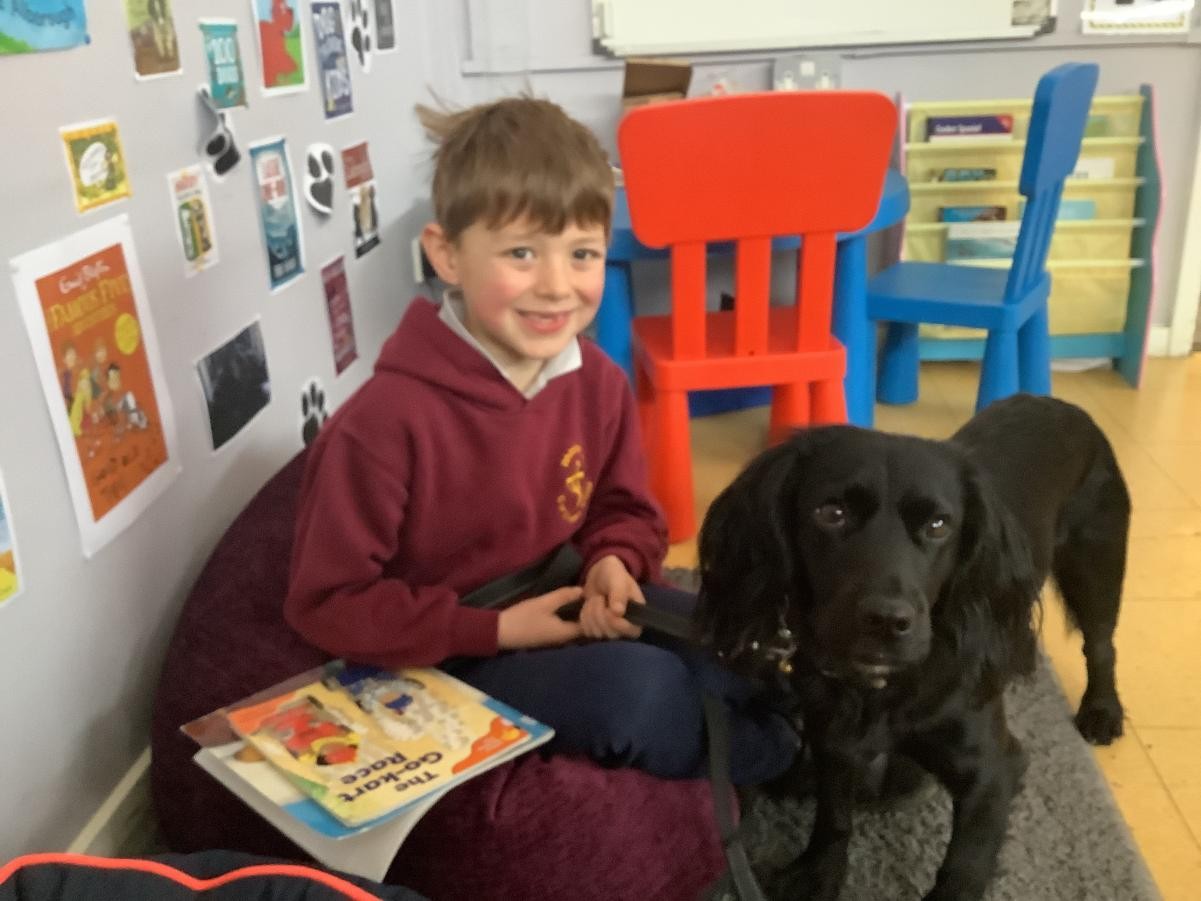
Jess, our Reading Dog remained committed to her role during the recent Lockdowns and heard children read via Google Meet!
-
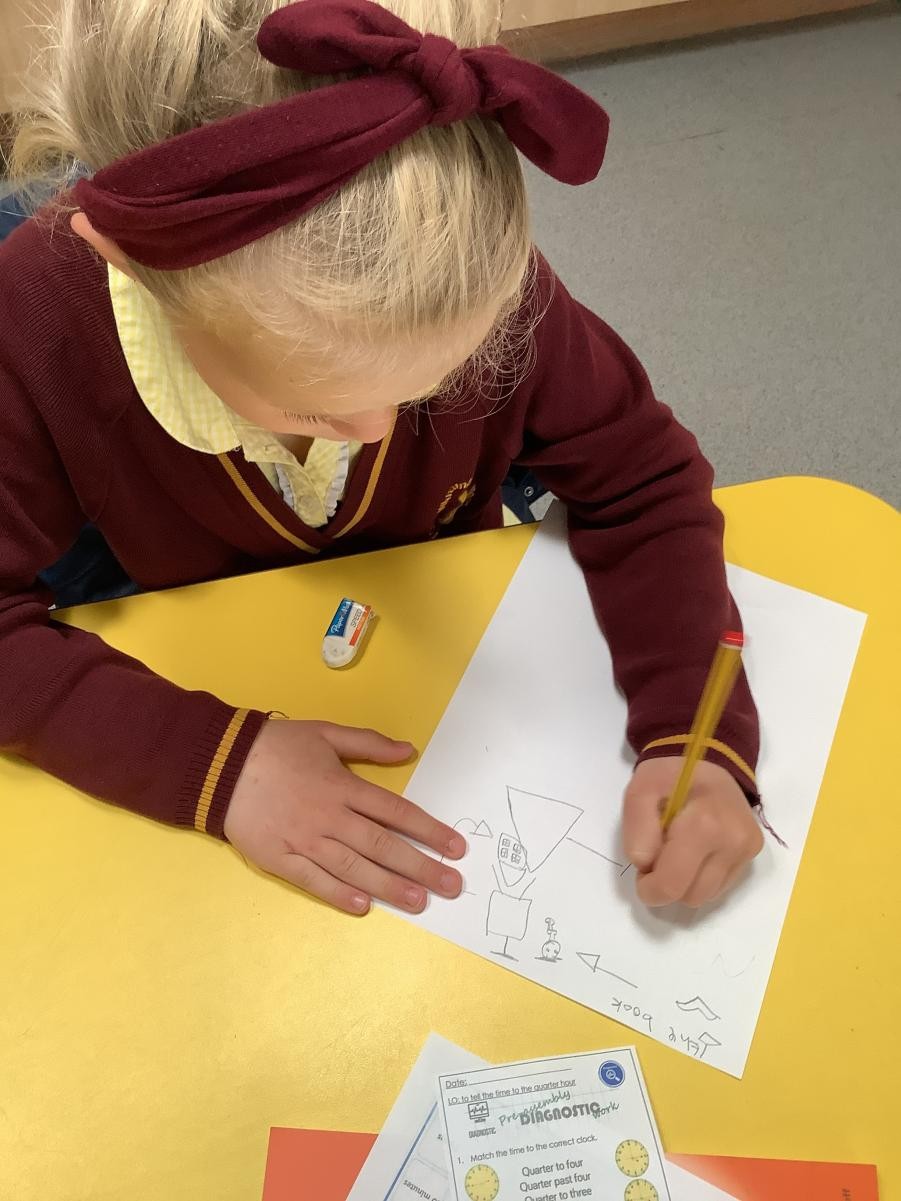
Writing a Story Map following the text, The Sand Horse in Year 1 and 2.
-
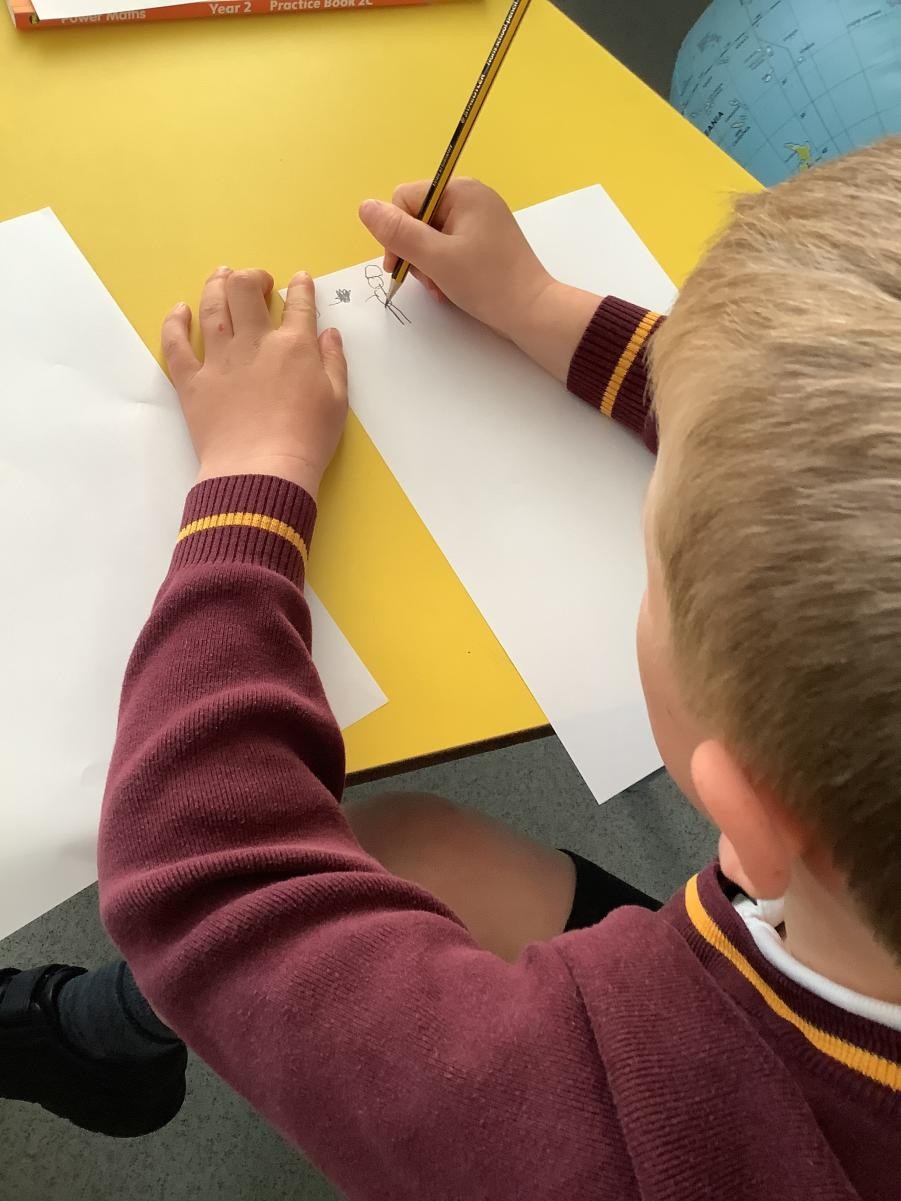
Writing a Story Map following the text, The Sand Horse in Year 1 and 2.
-
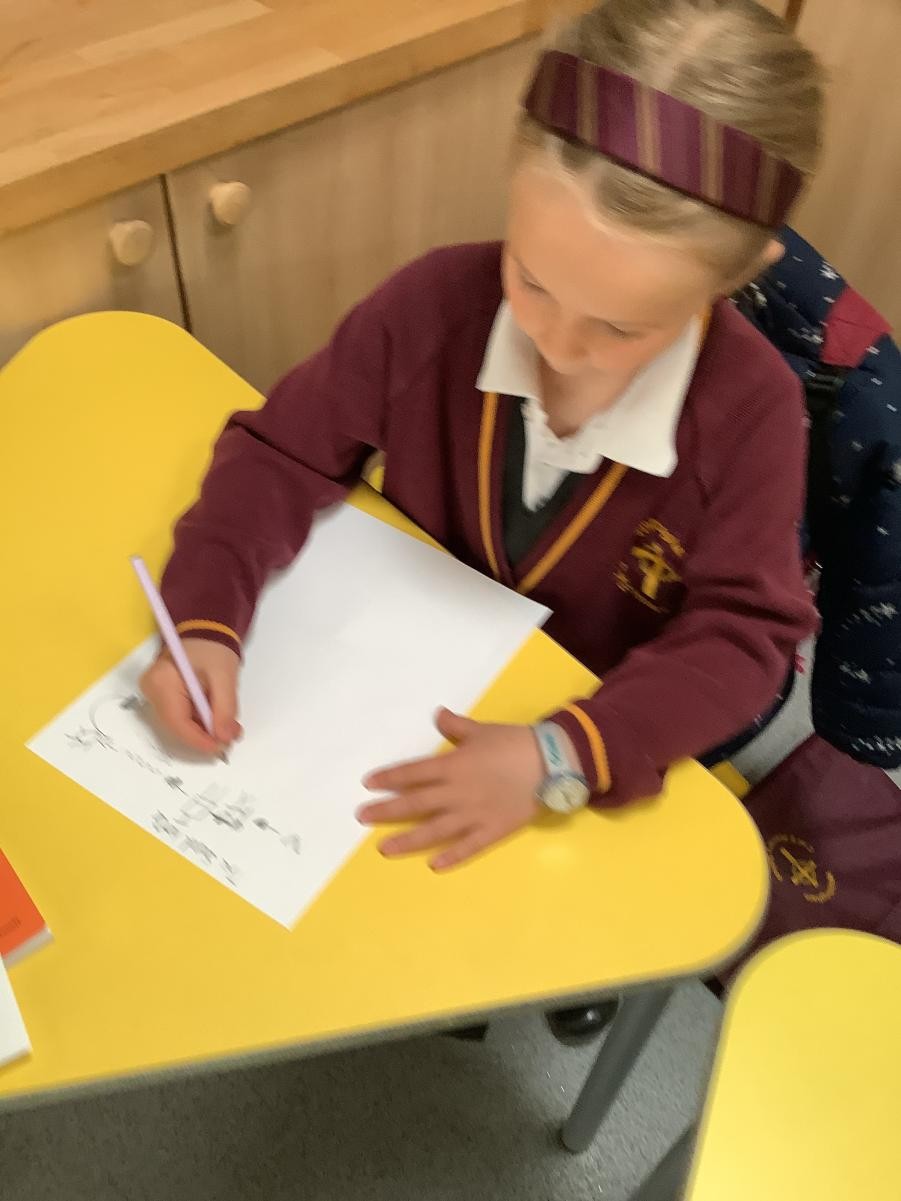
Writing a Story Map following the text, The Sand Horse in Year 1 and 2.
-
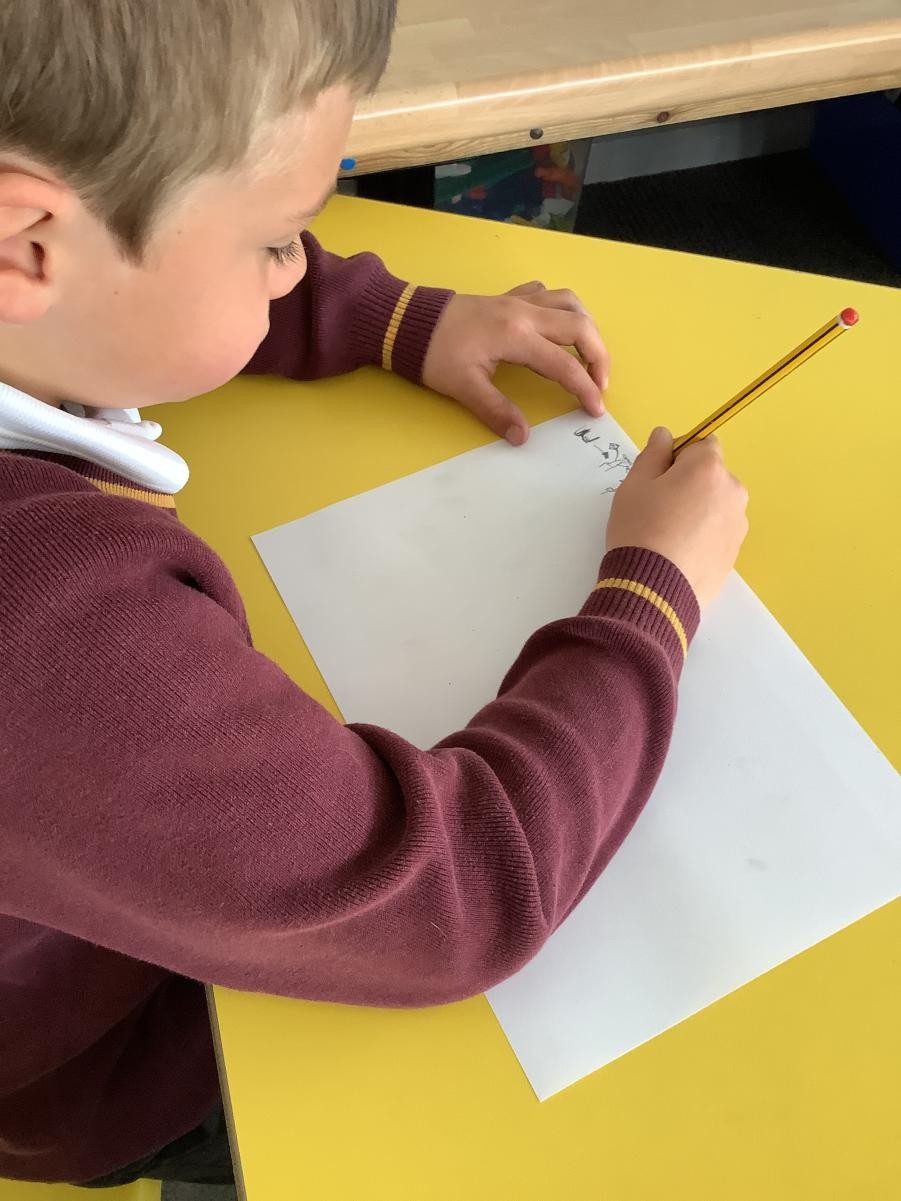
Writing a Story Map following the text, The Sand Horse in Year 1 and 2.
-
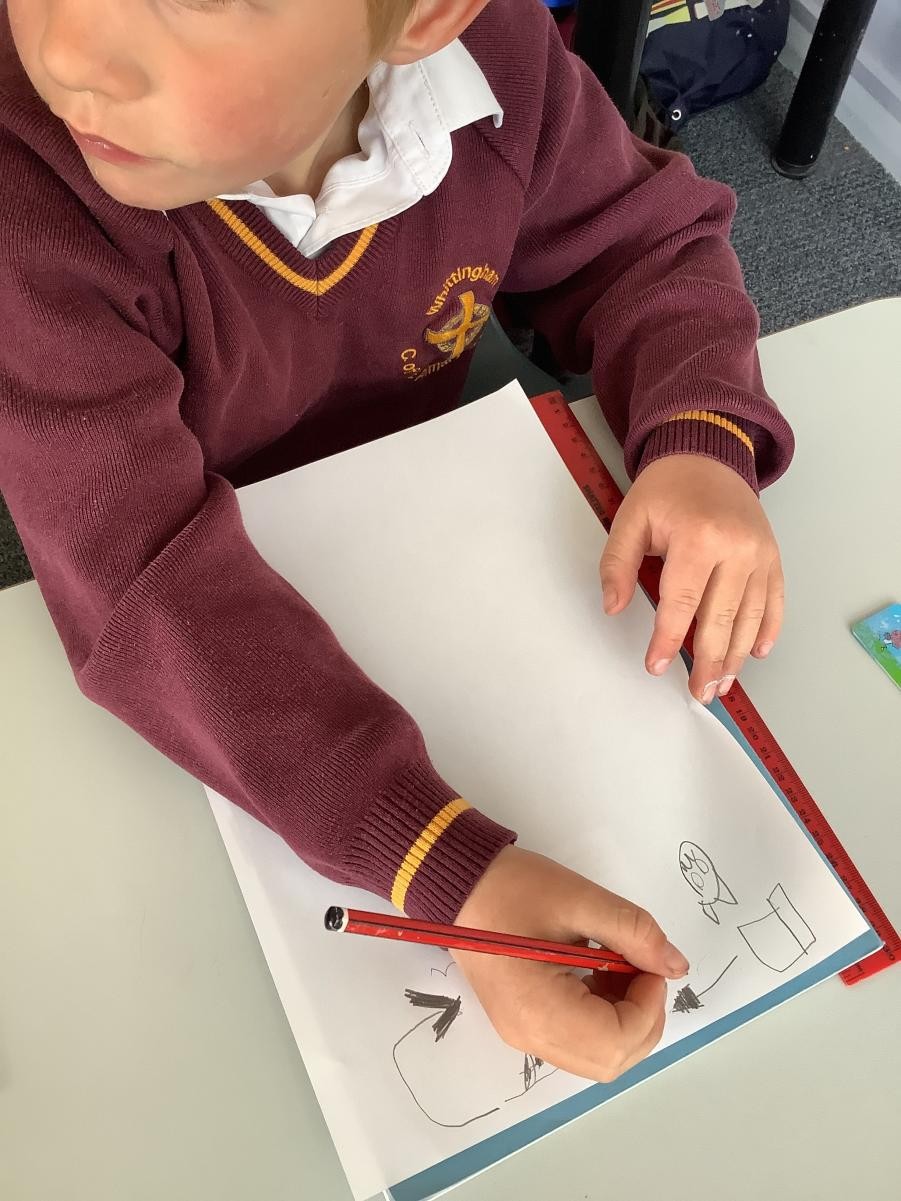
Writing a Story Map following the text, The Sand Horse in Year 1 and 2.
-
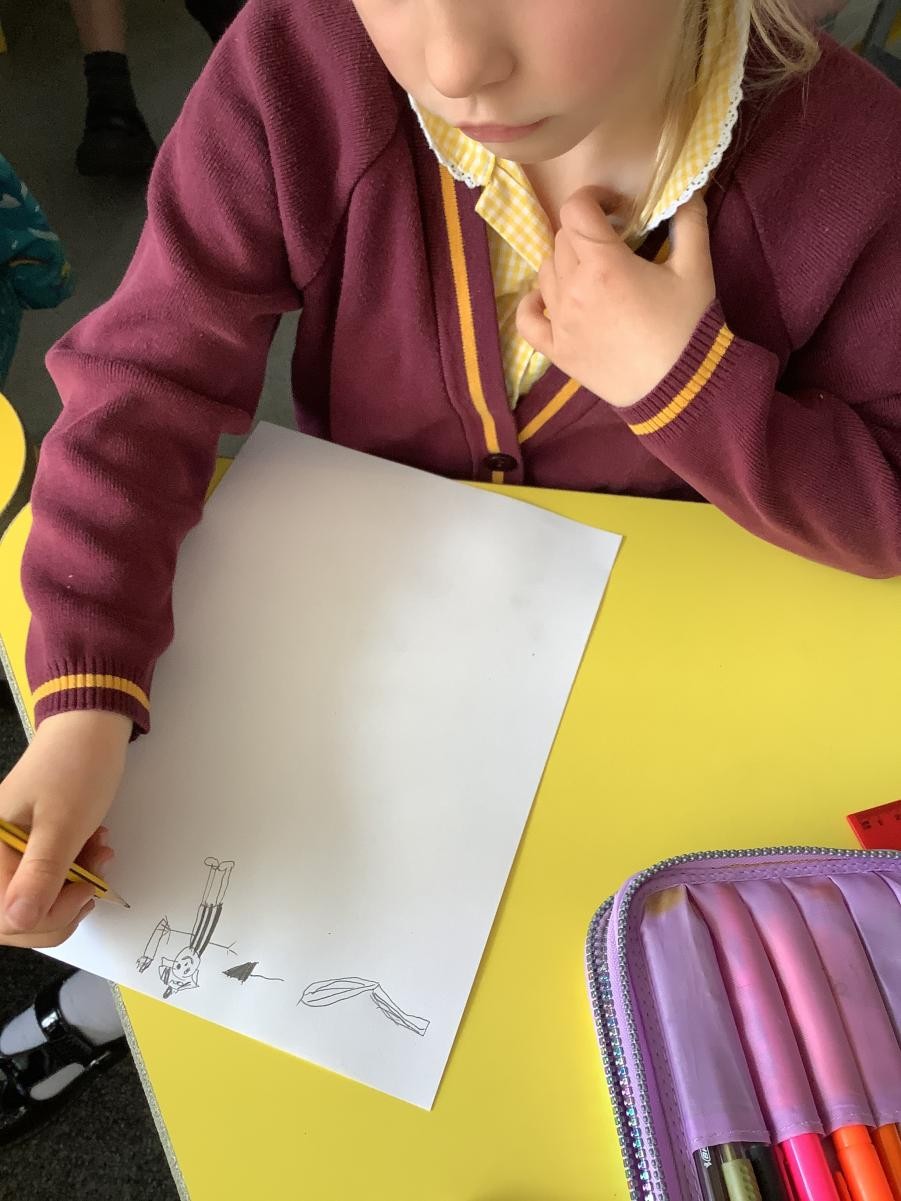
Writing a Story Map following the text, The Sand Horse in Year 1 and 2.
-
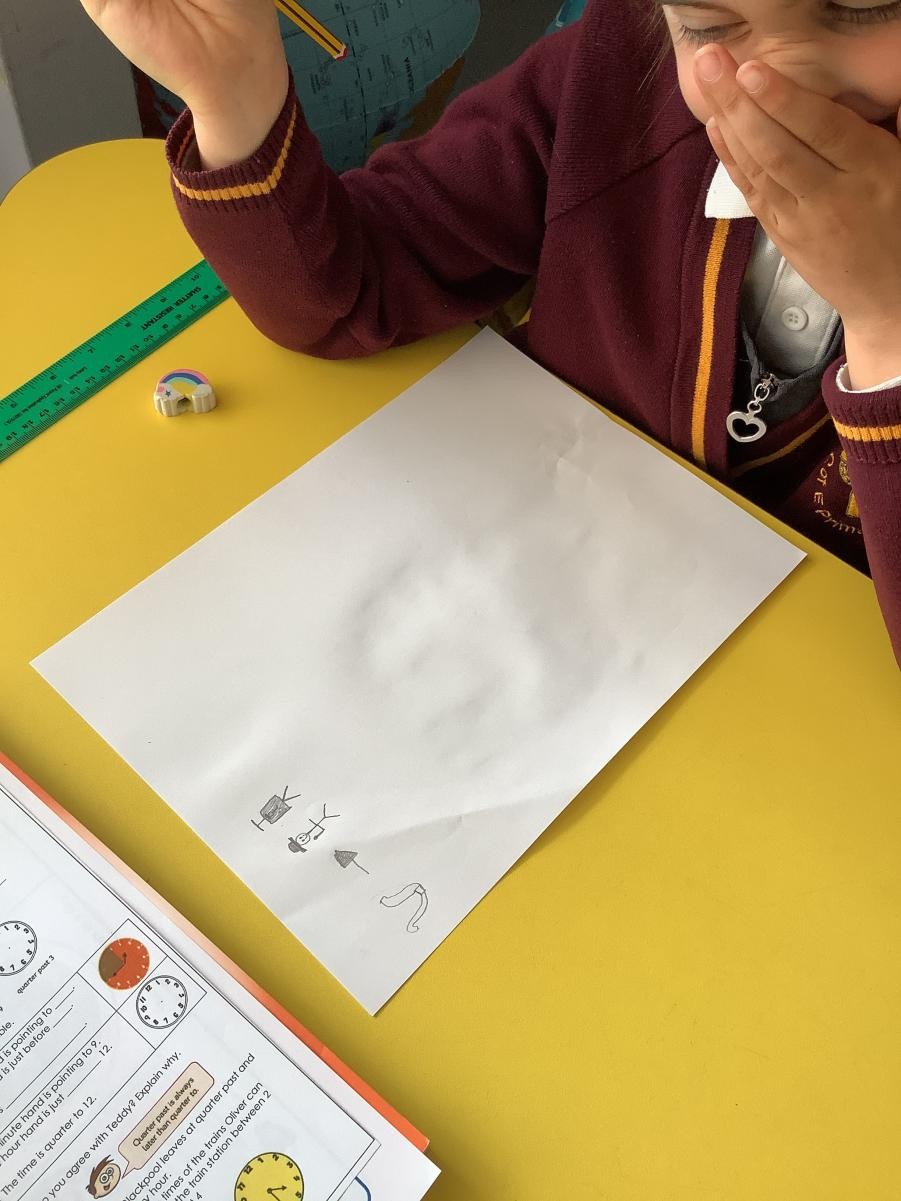
Writing a Story Map following the text, The Sand Horse in Year 1 and 2.
-
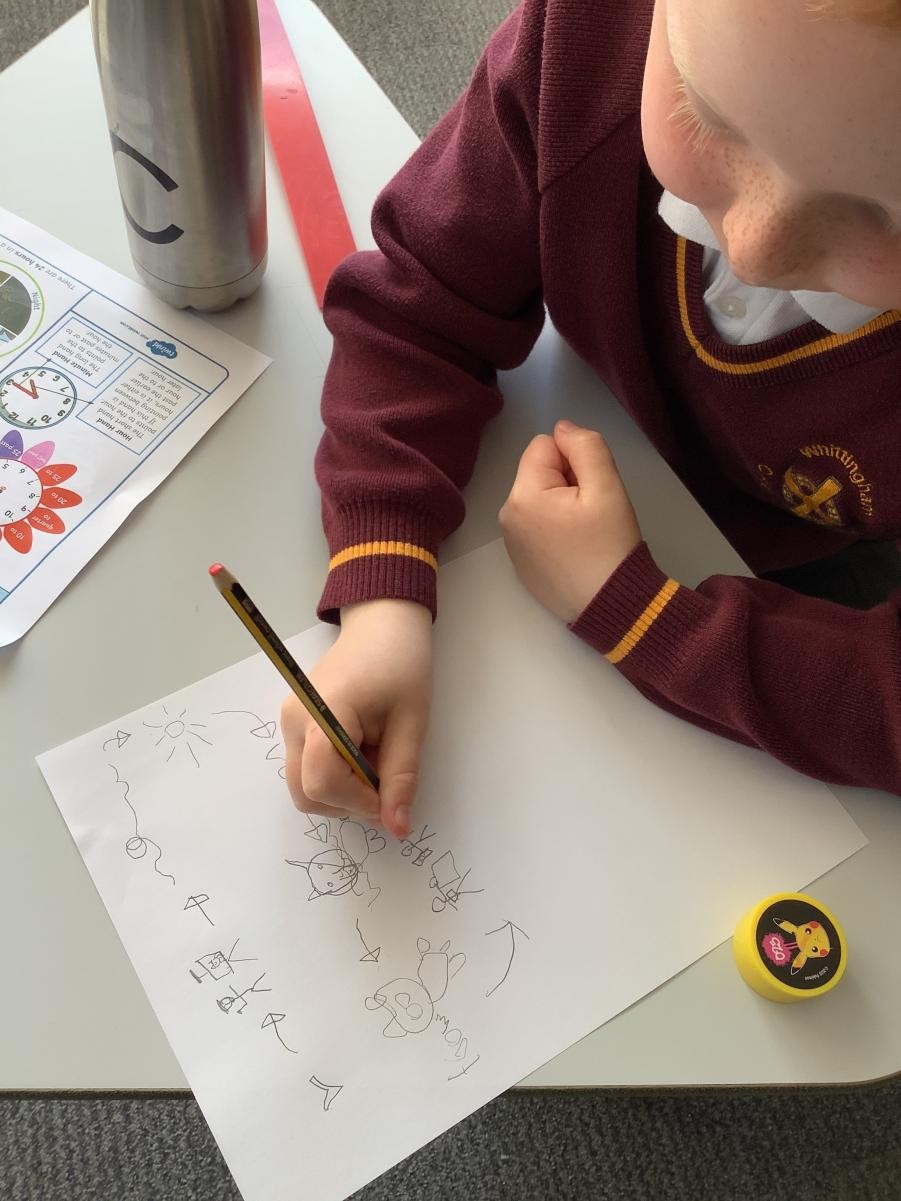
Writing a Story Map following the text, The Sand Horse in Year 1 and 2.
-
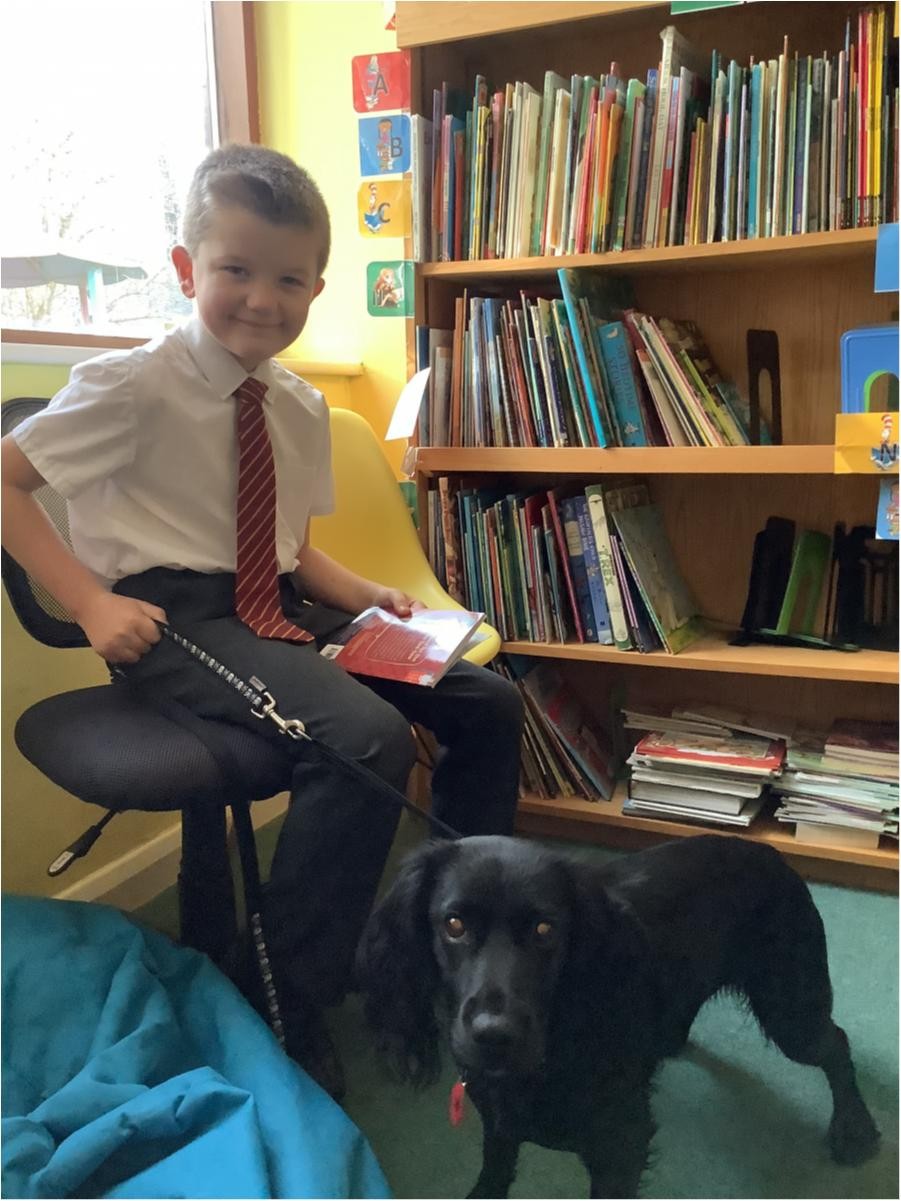
We celebrate reading and love it when Jess, our reading dog joins us.
-
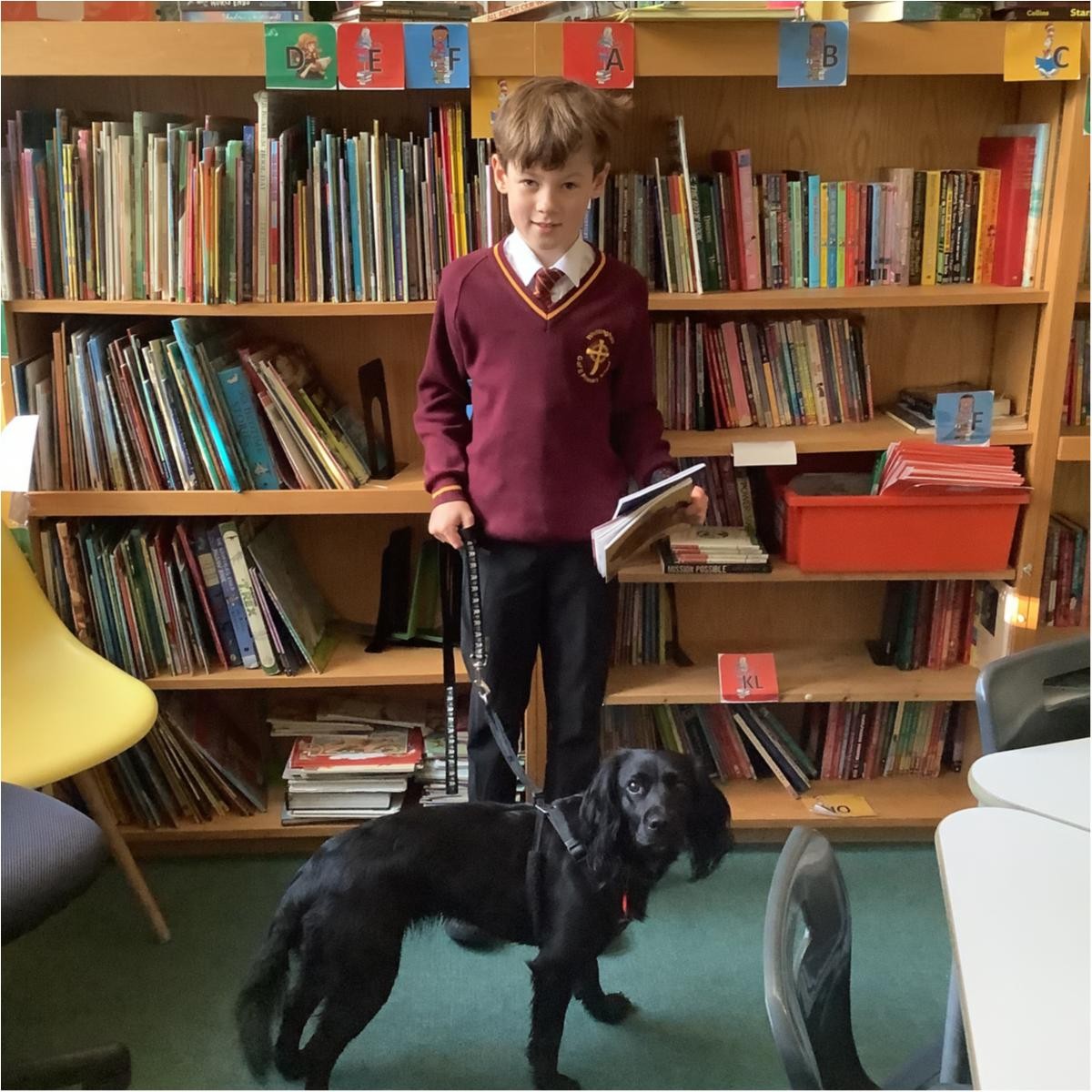
We celebrate reading and love it when Jess, our reading dog joins us.
-
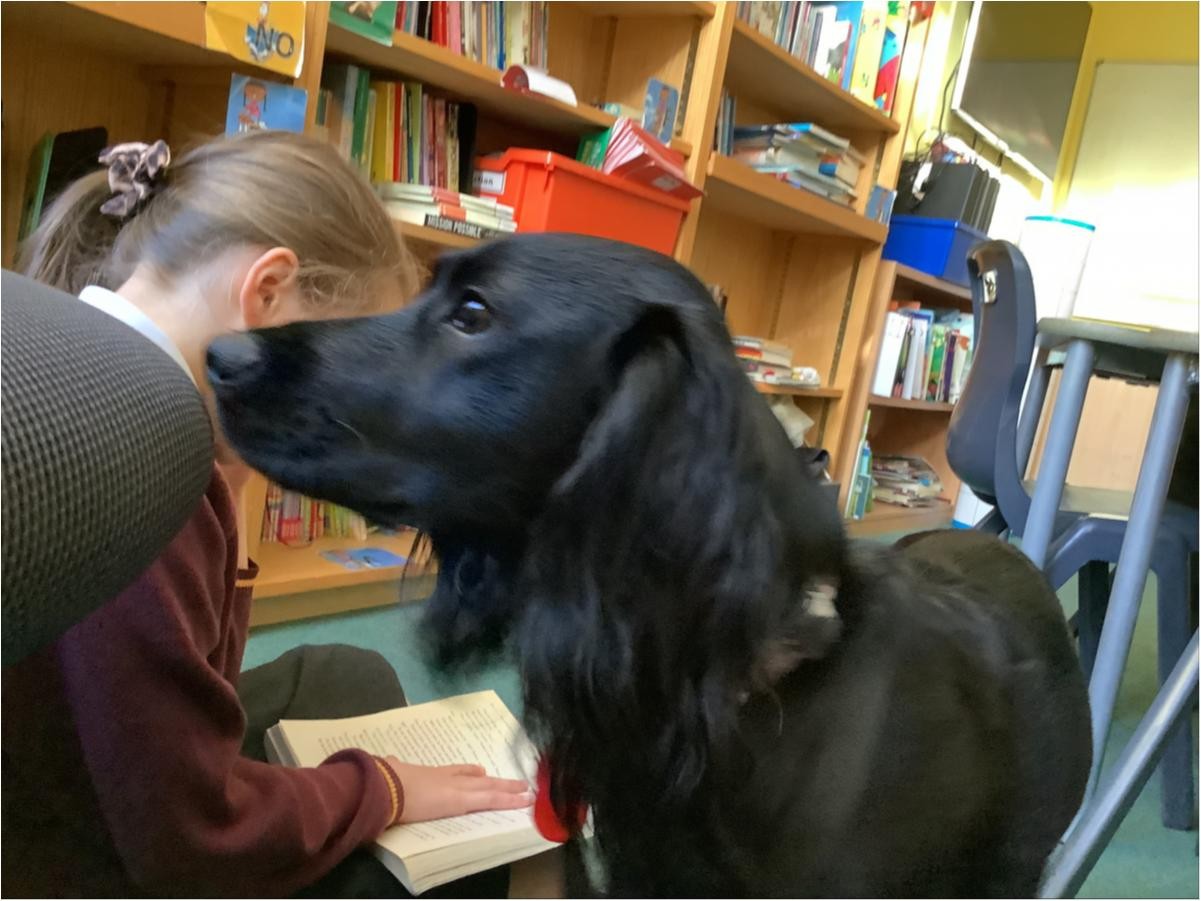
We celebrate reading and love it when Jess, our reading dog joins us.
-
-
-
-
-
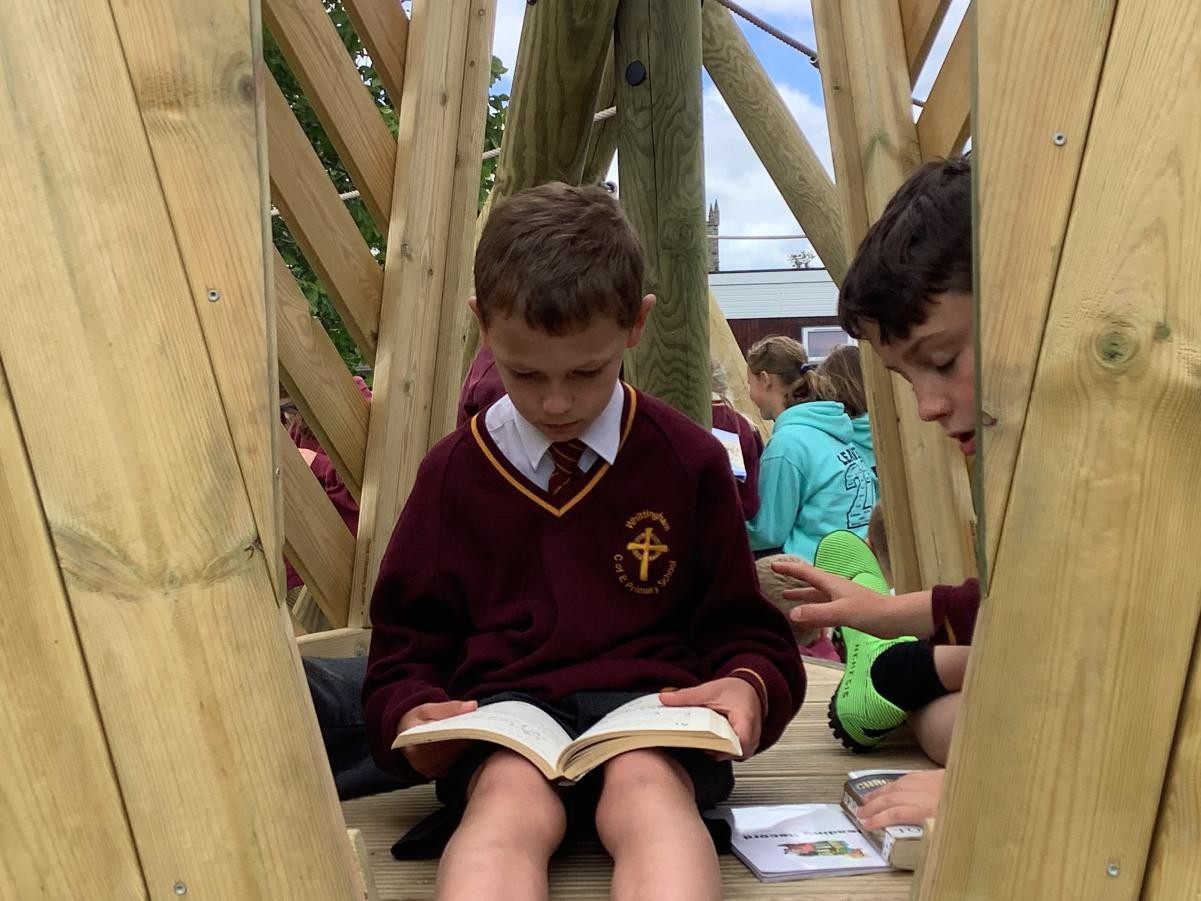
Reading all around!
-
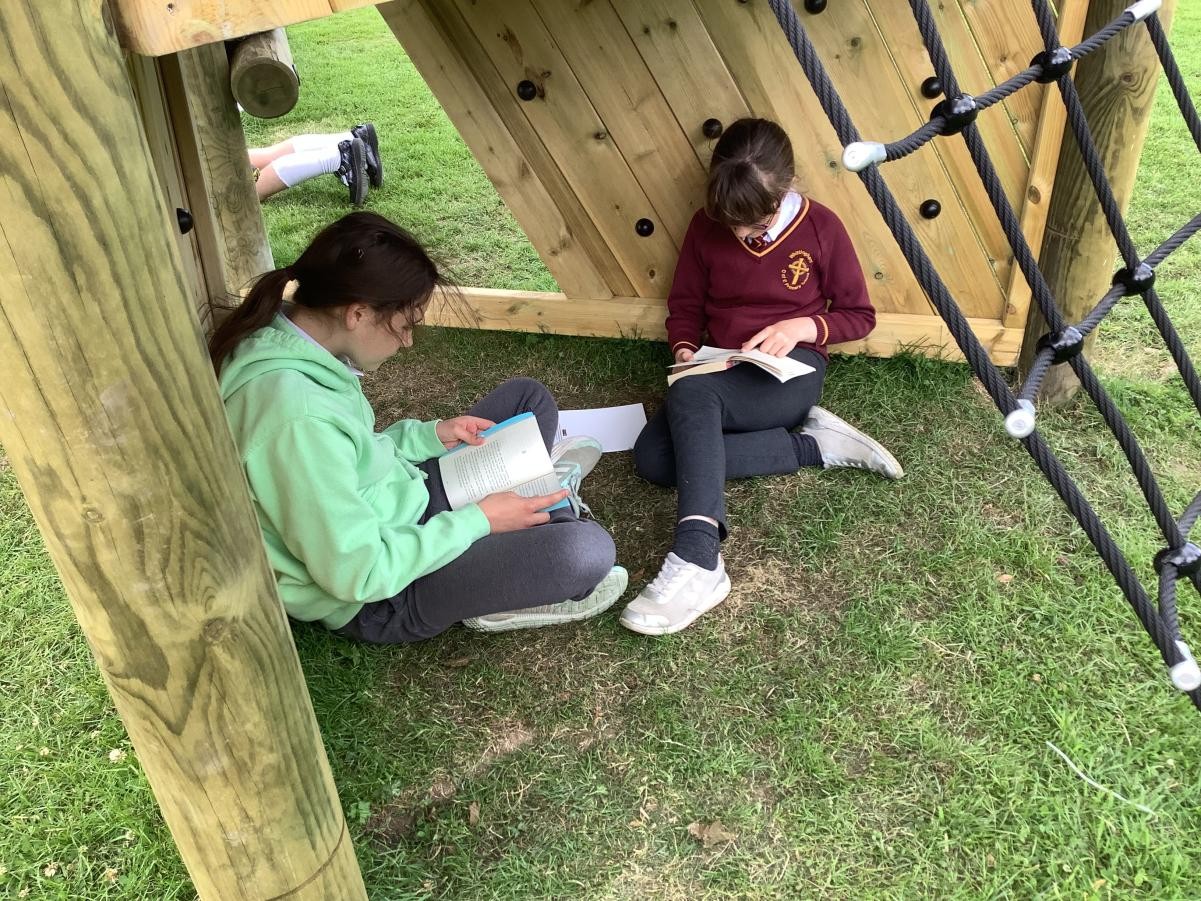
Reading all around!
-
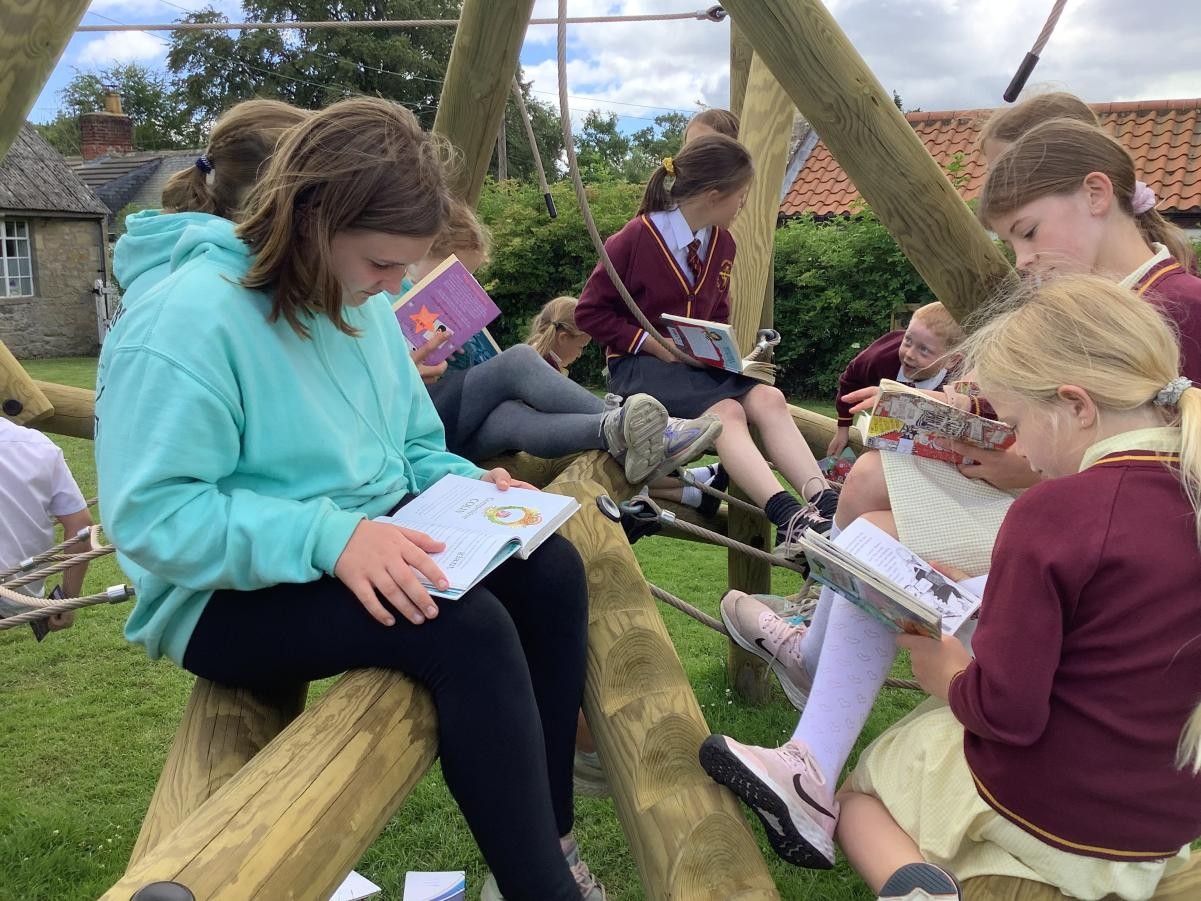
Reading all around!
-
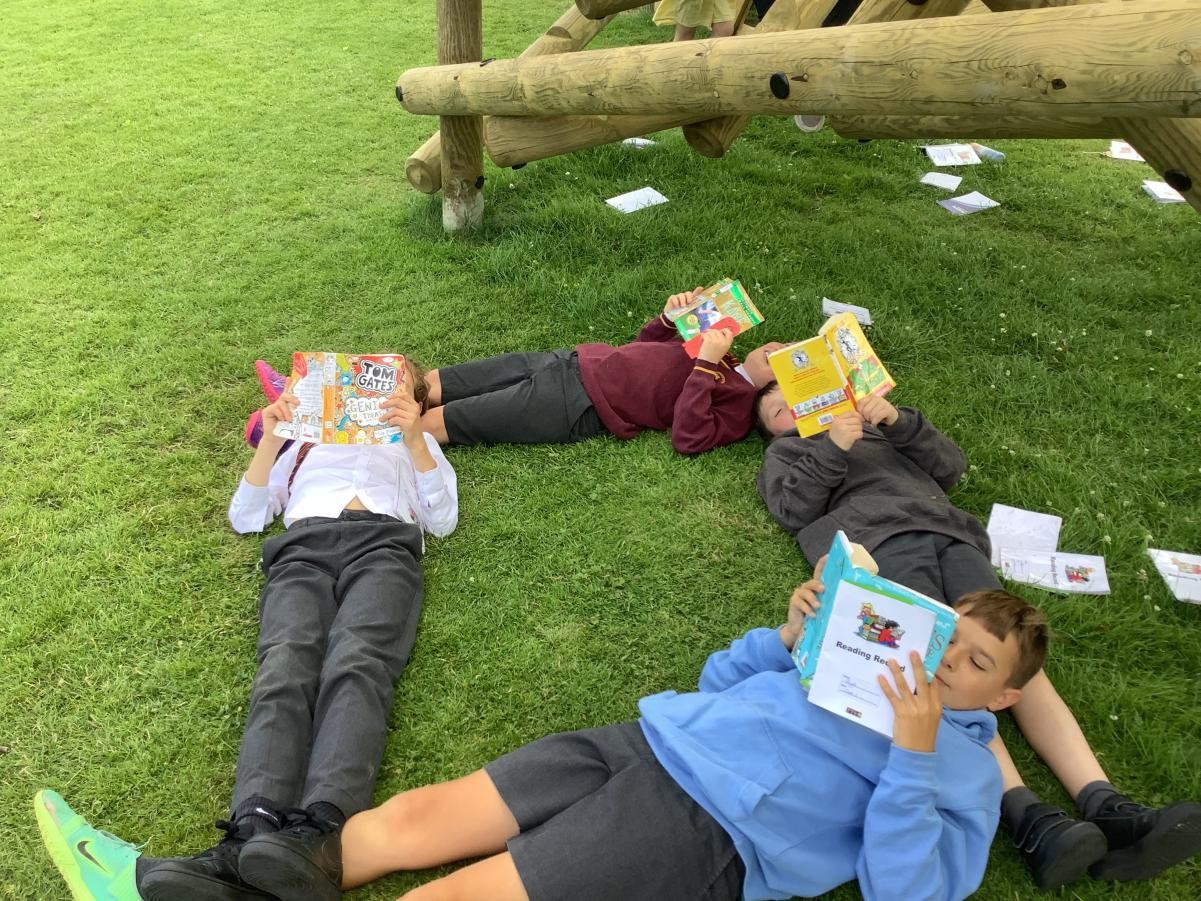
Reading all around!
-
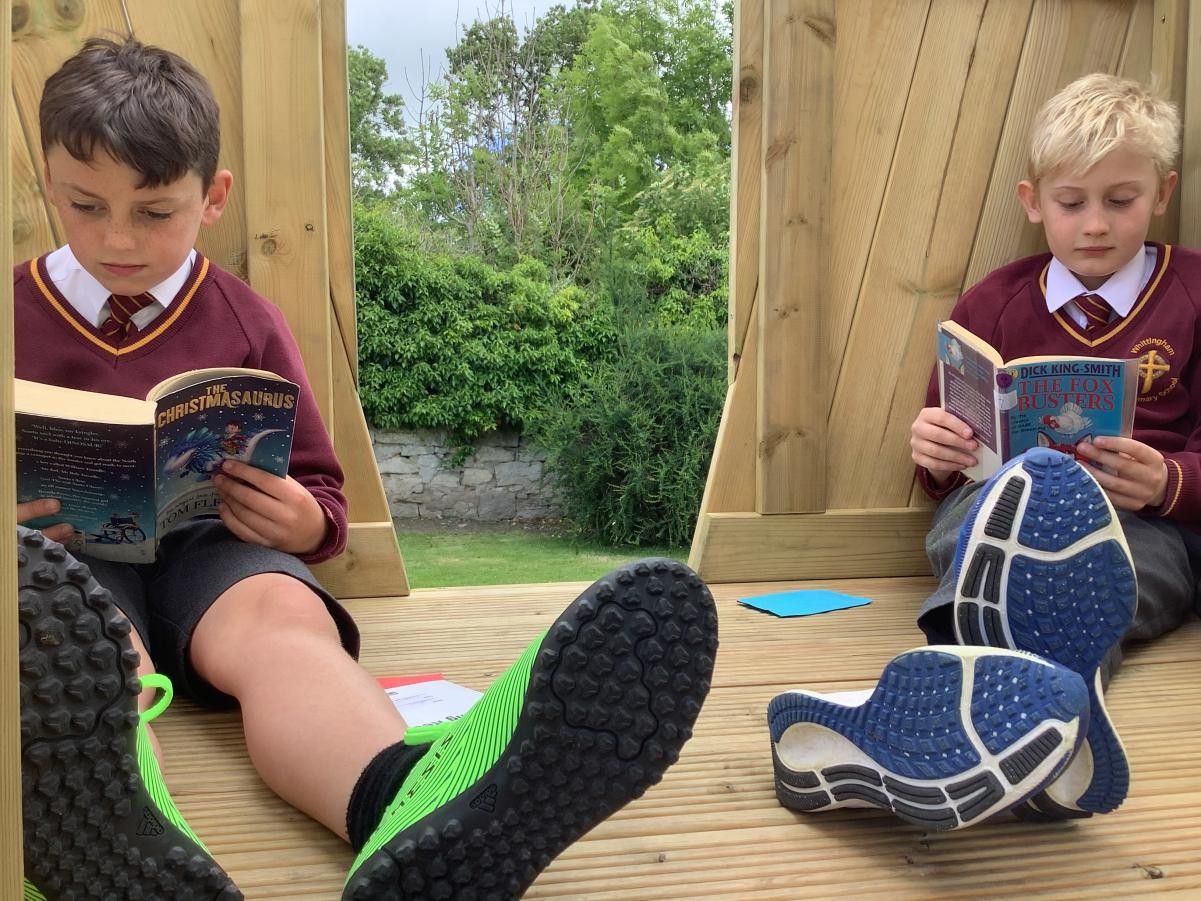
Reading all around!
-
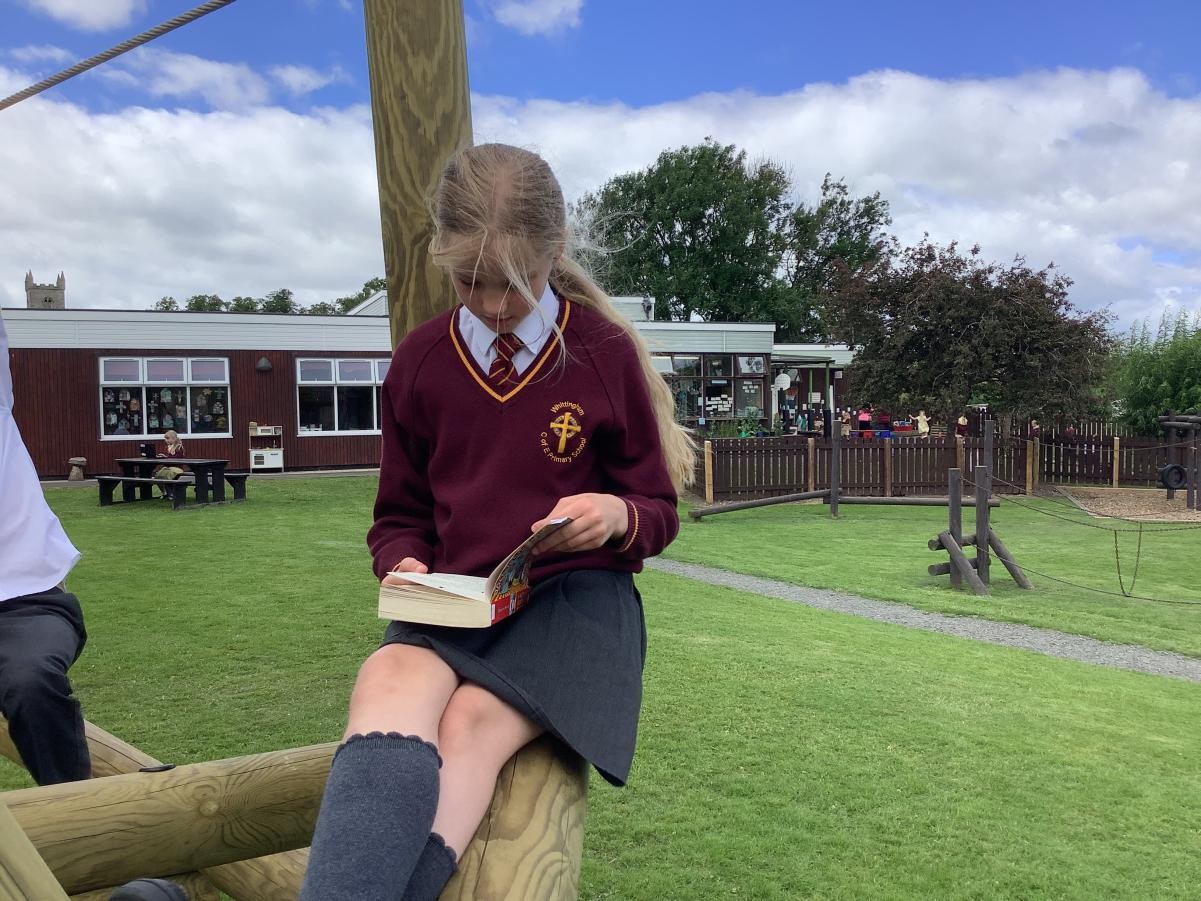
Reading all around!
-
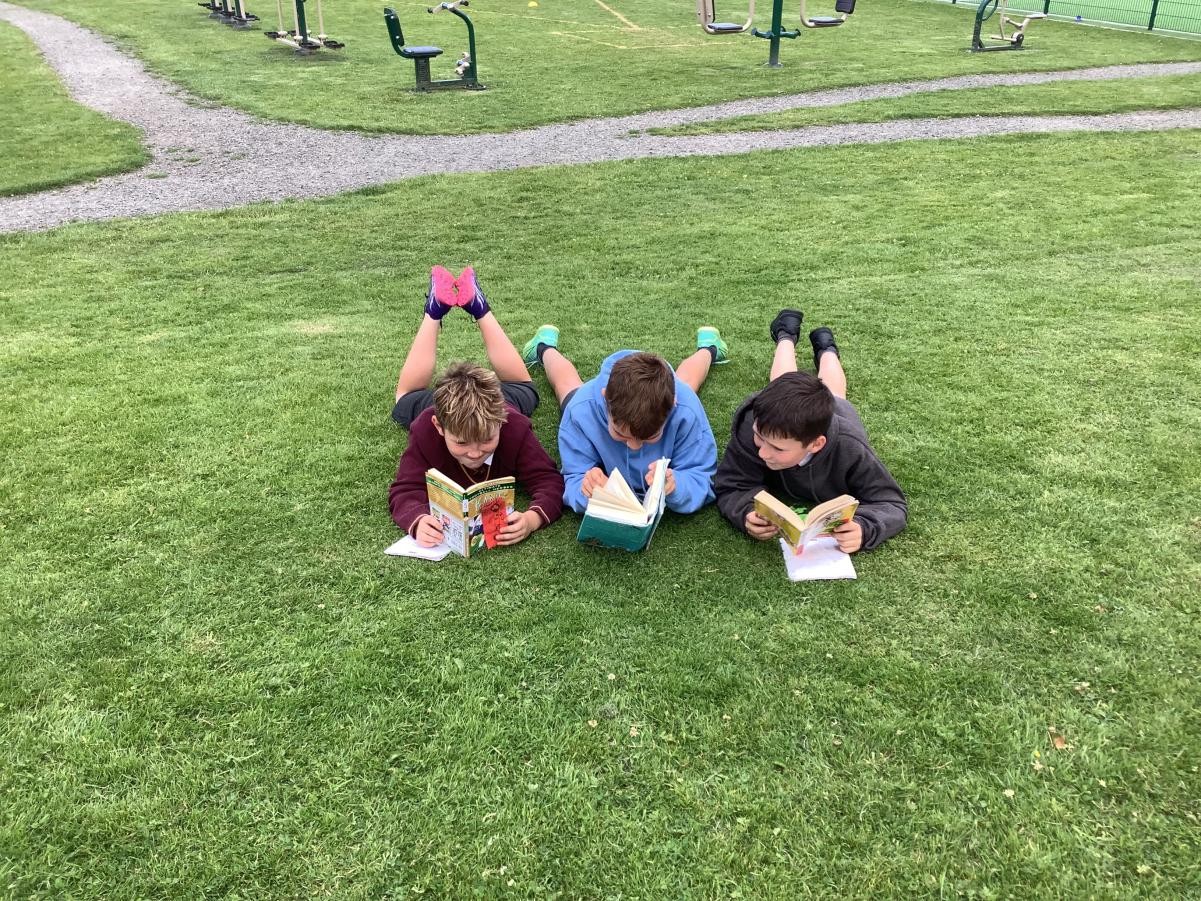
Reading all around!
-
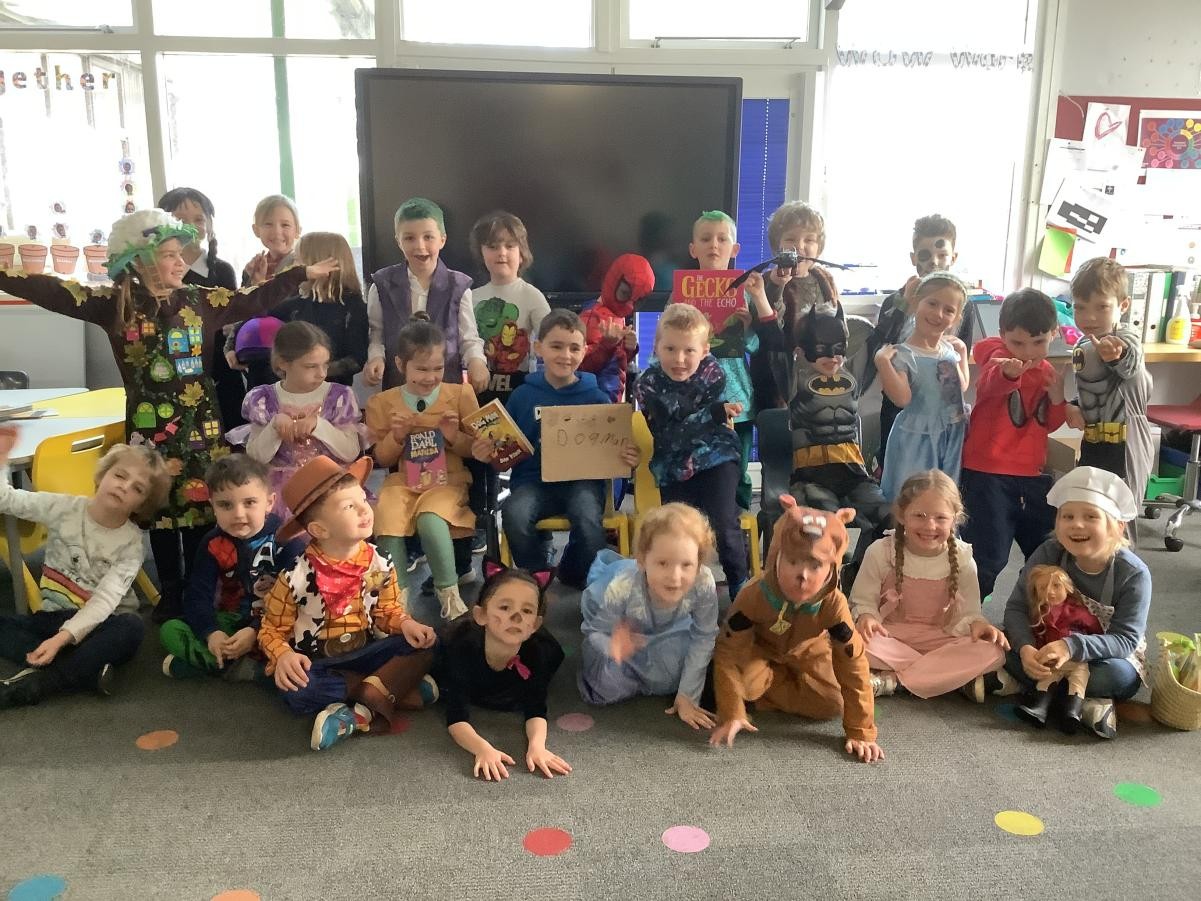
World Book Day 2023
-
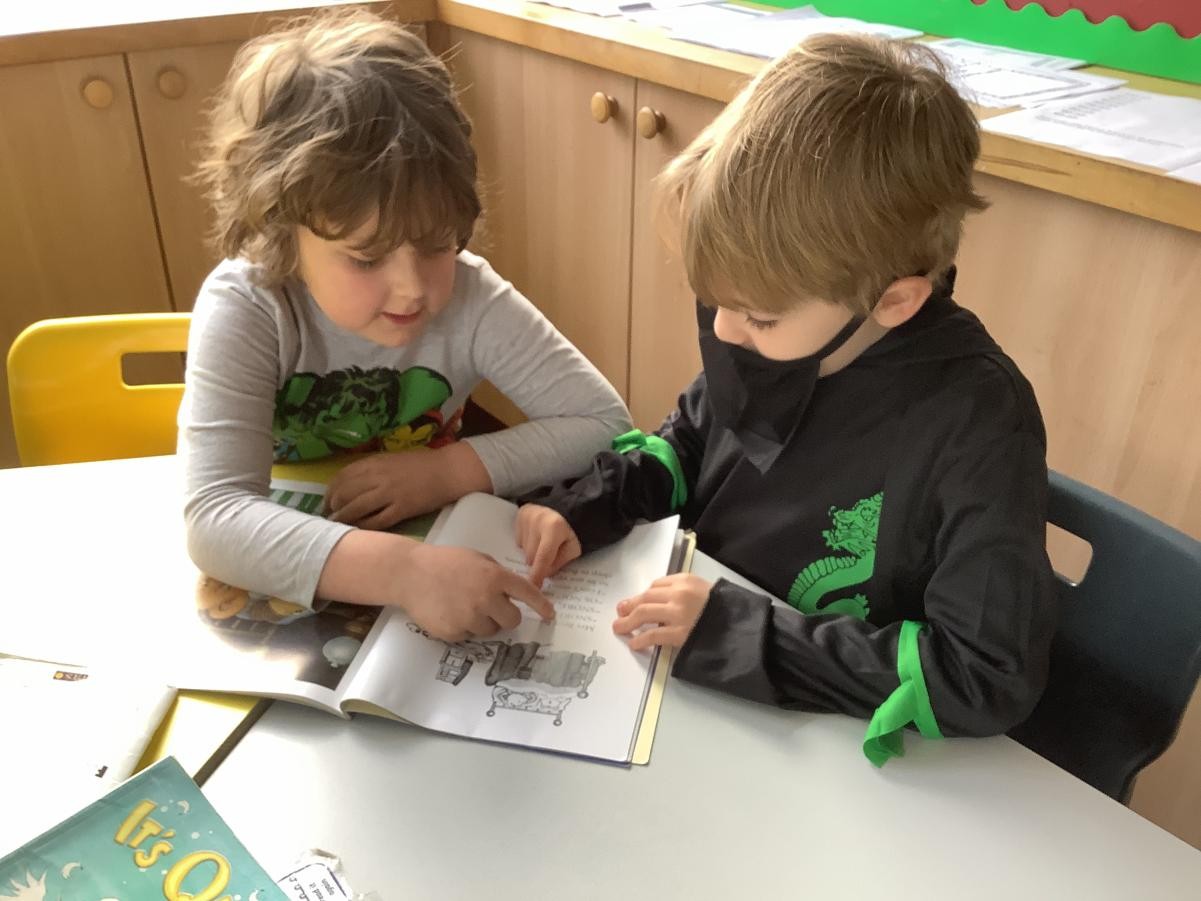
World Book Day 2023
-
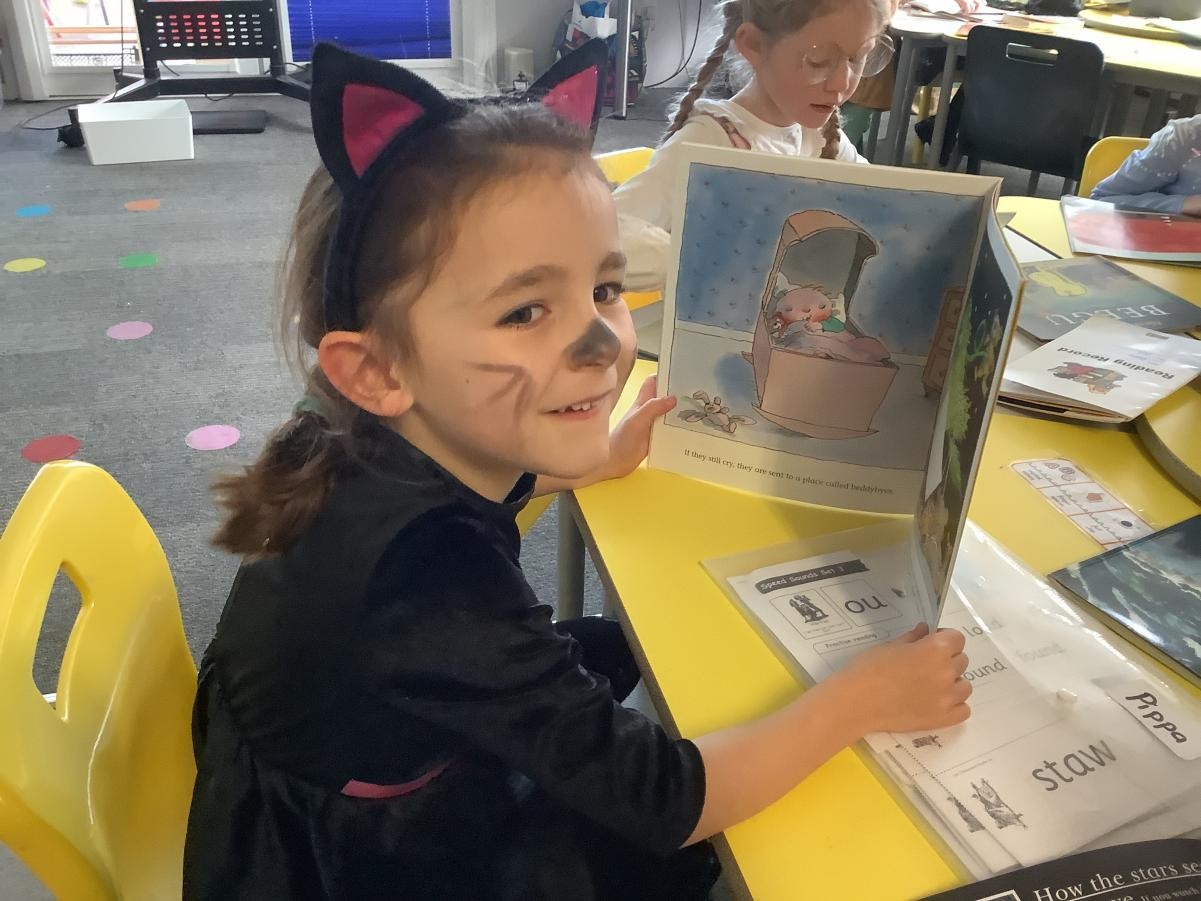
World Book Day 2023
-
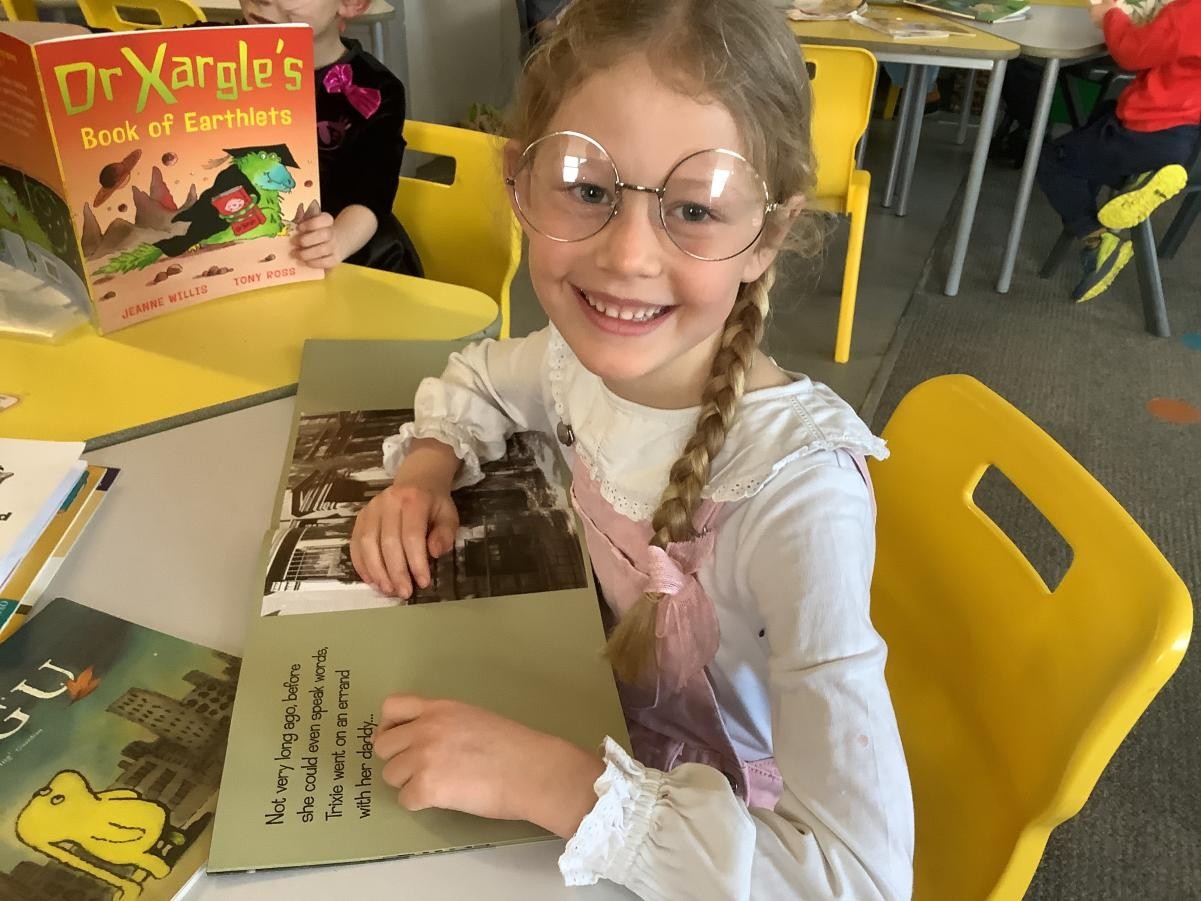
World Book Day 2023
-
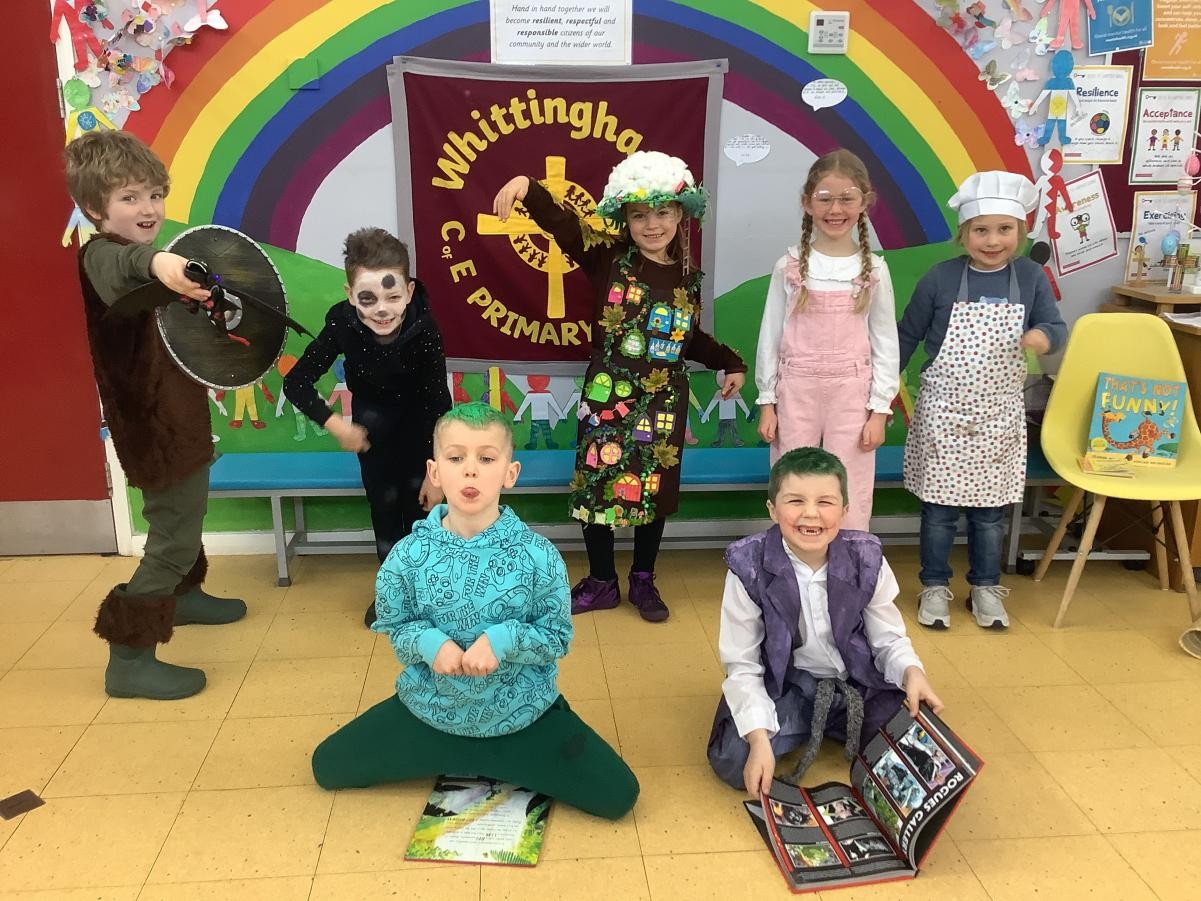
World Book Day 2023
-
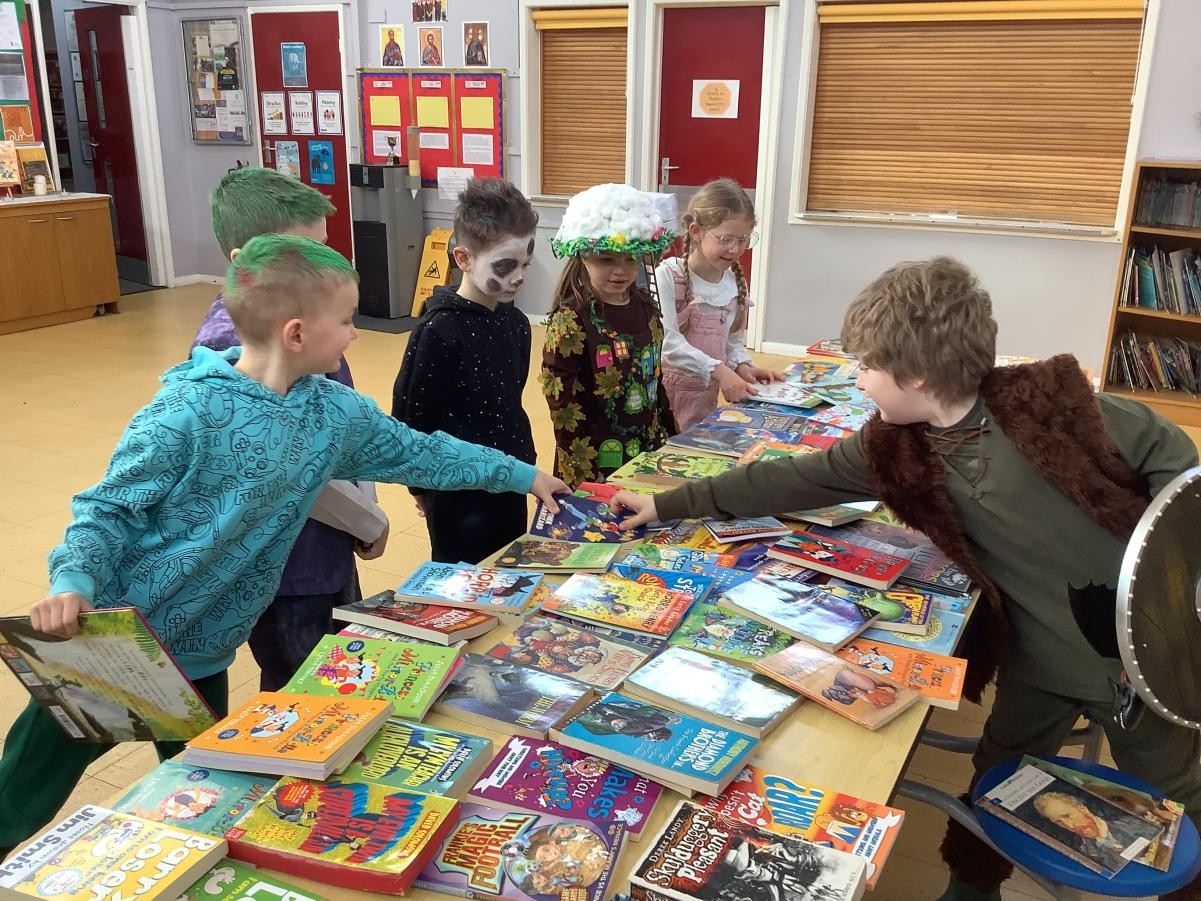
World Book Day 2023
-
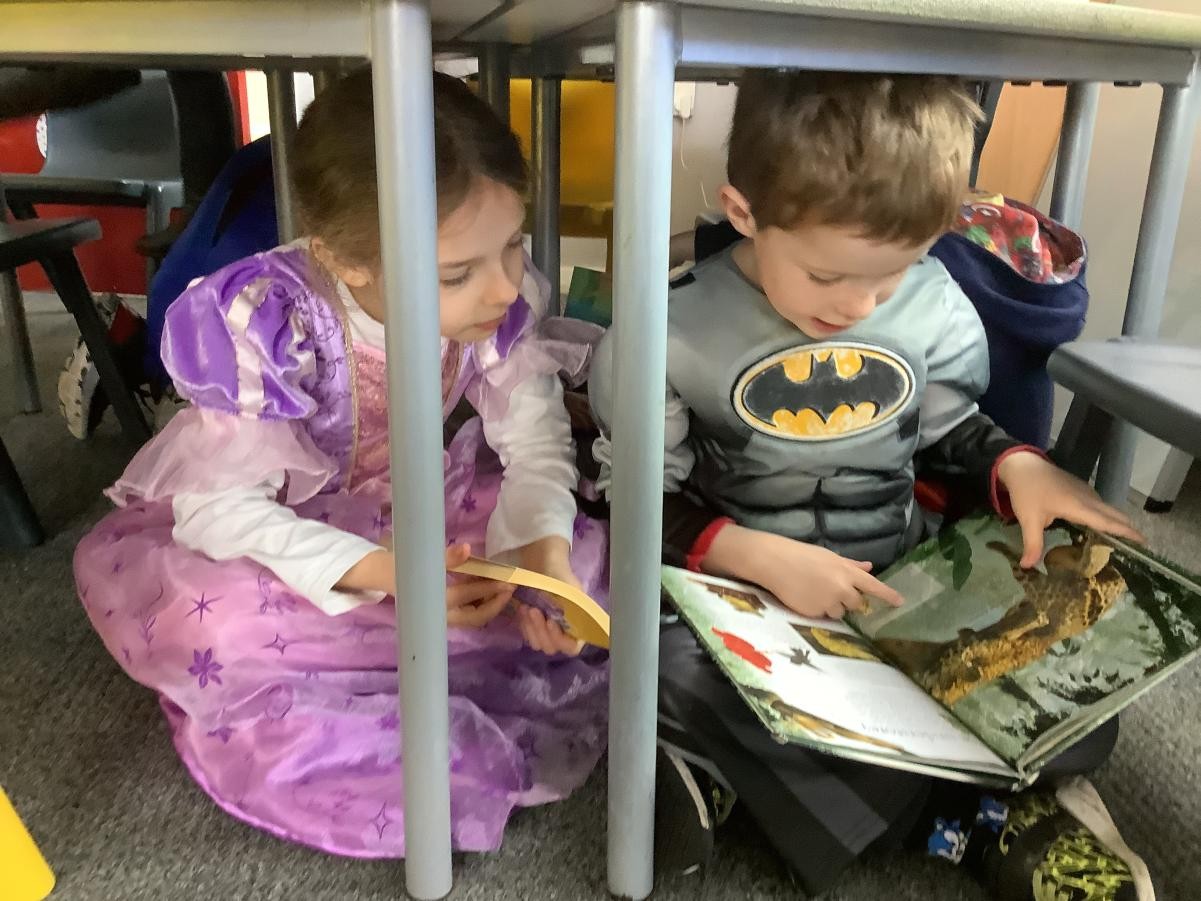
World Book Day 2023
-
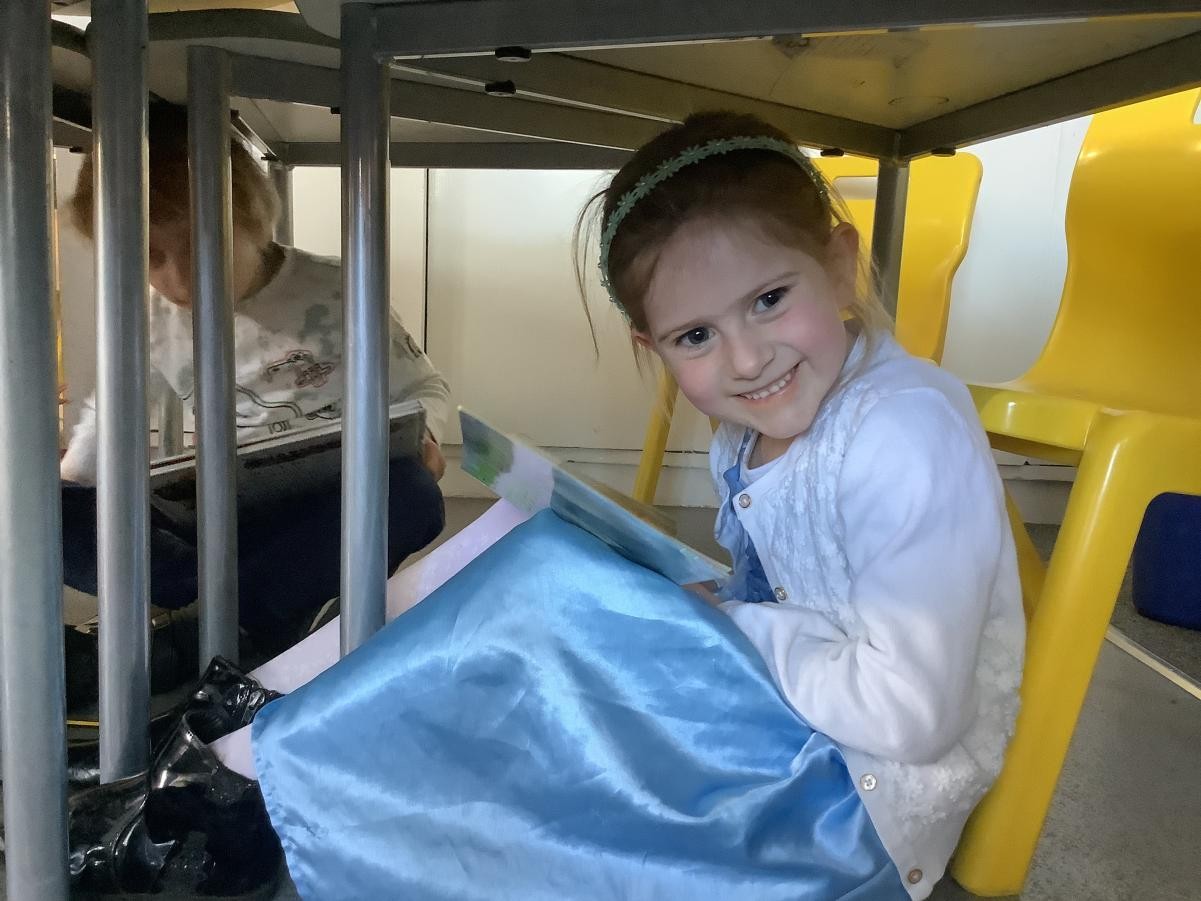
World Book Day 2023
-
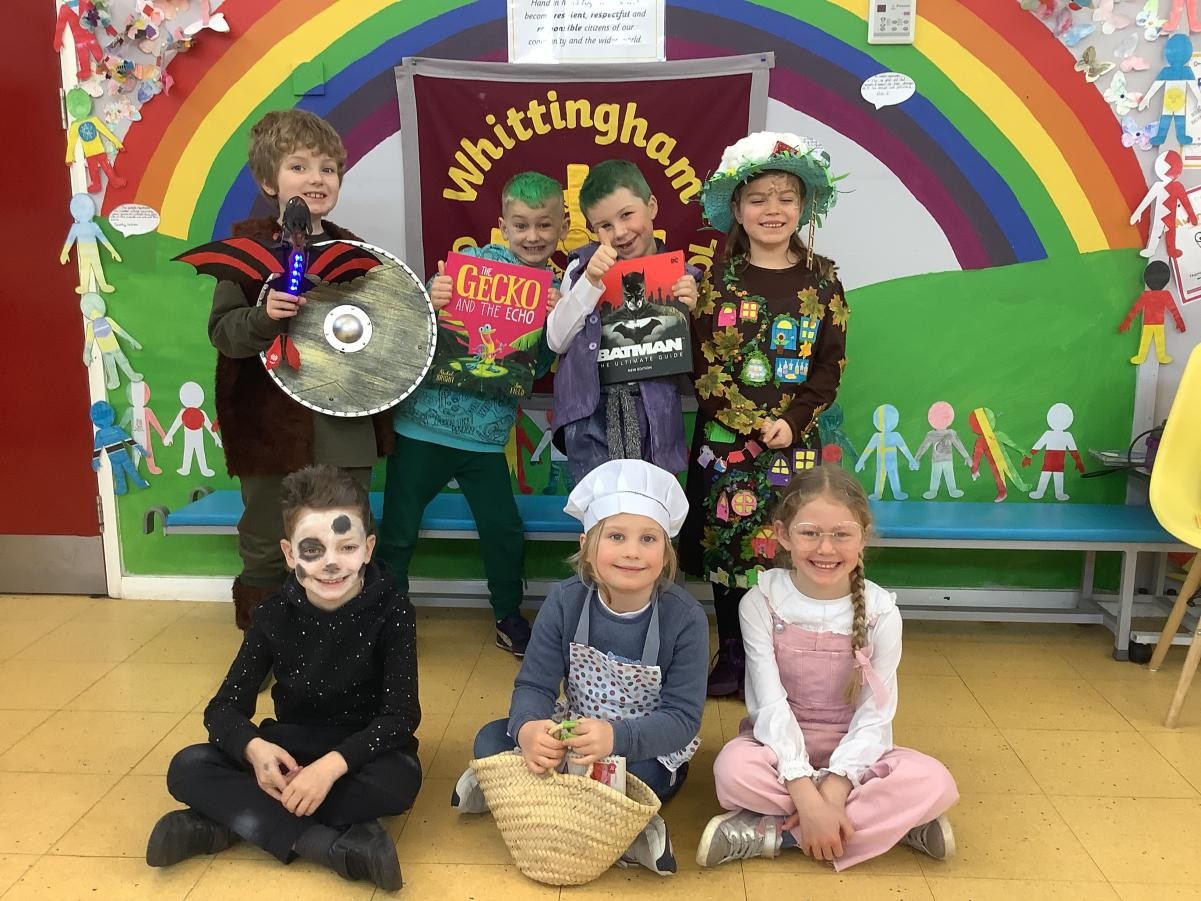
World Book Day 2023
-
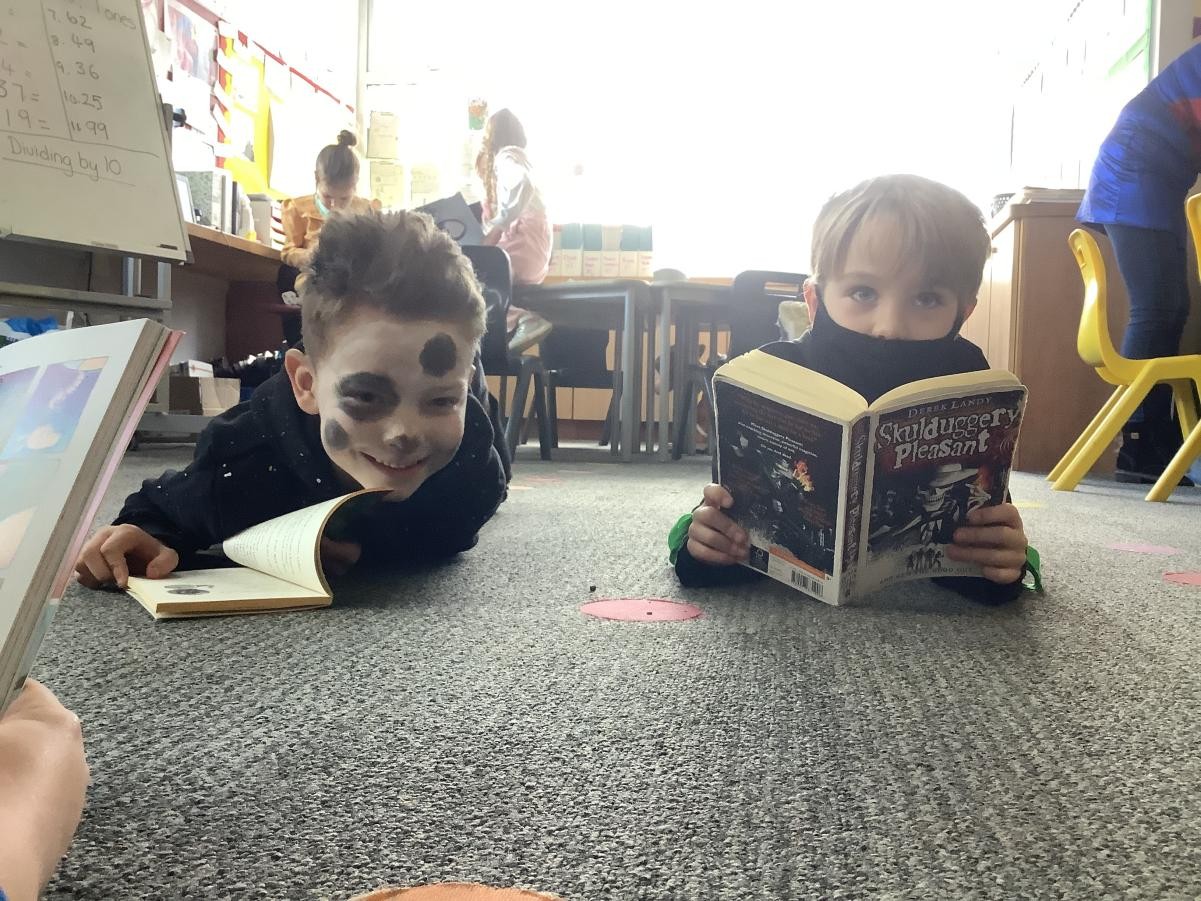
World Book Day 2023
-
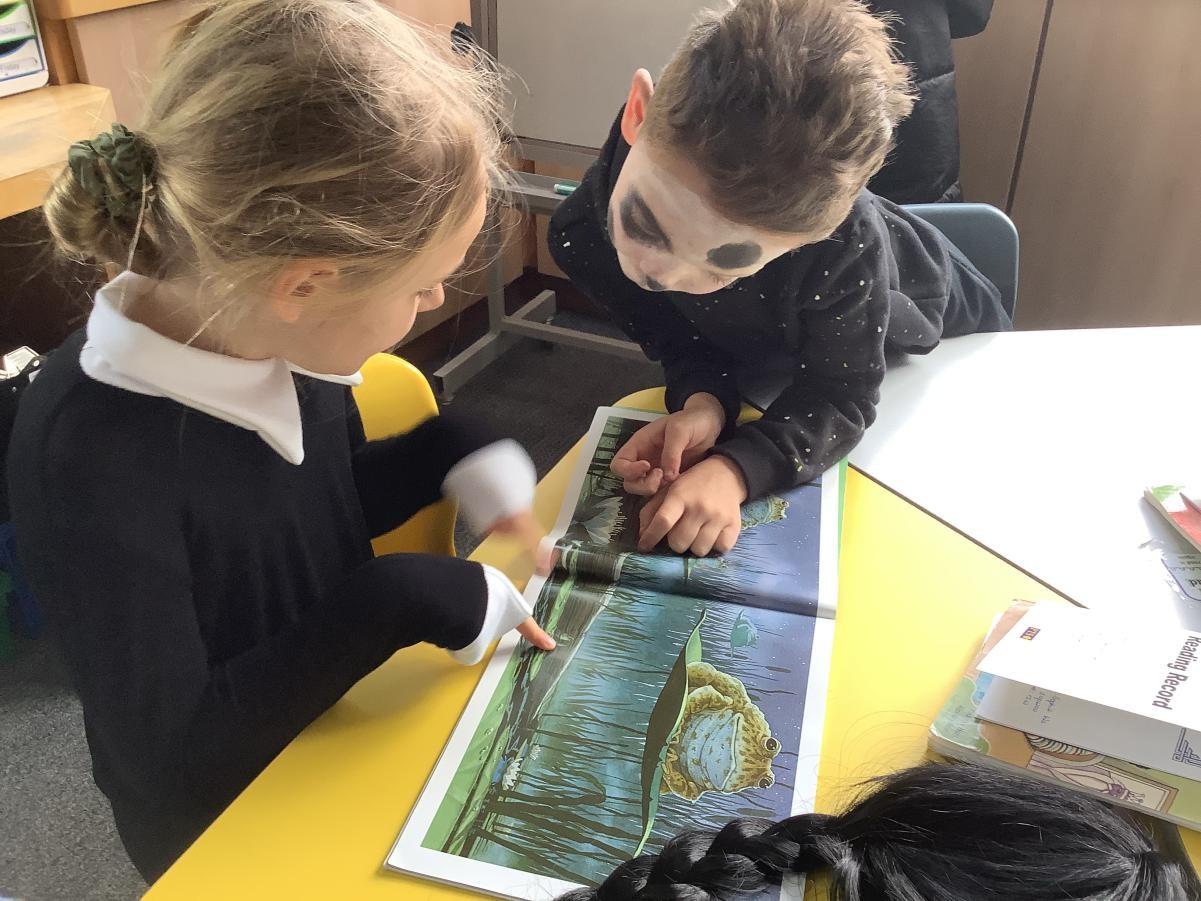
World Book Day 2023