|
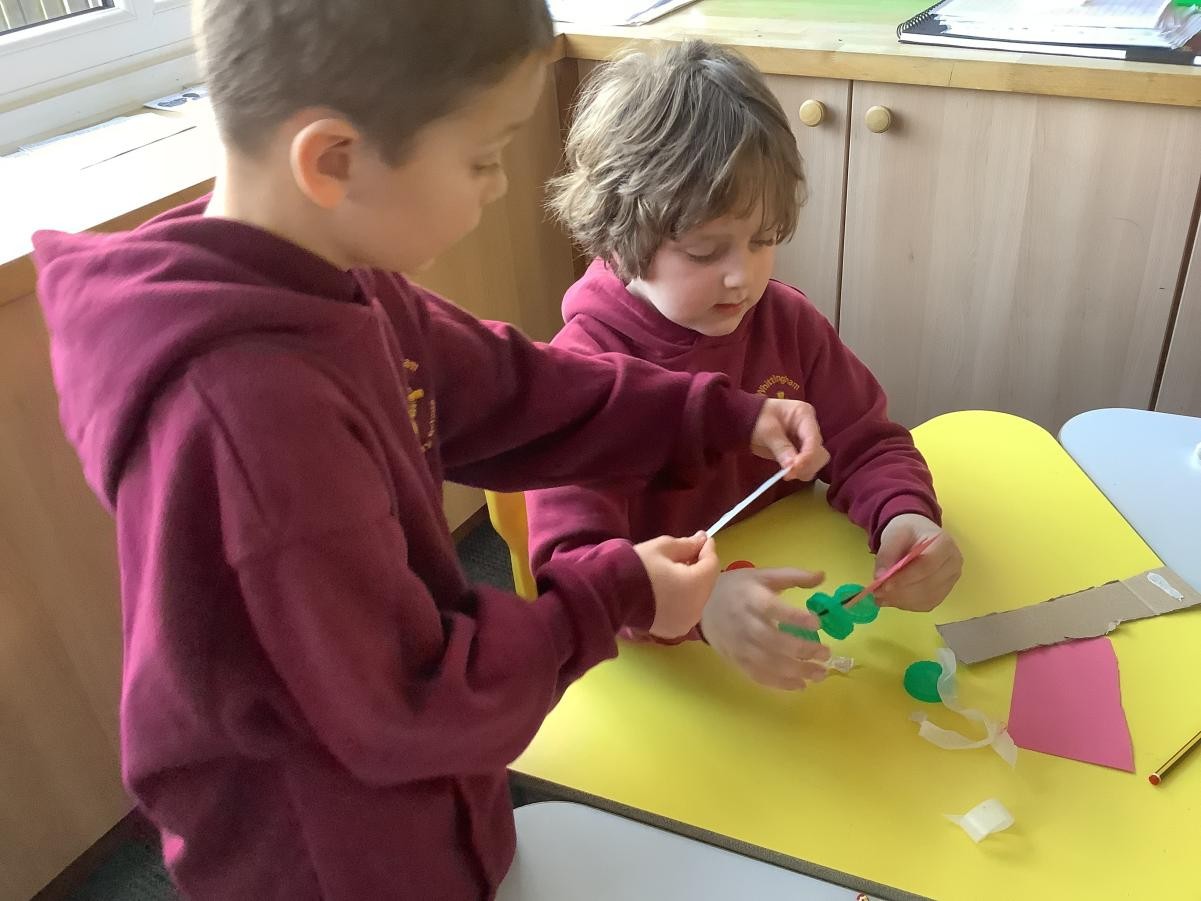
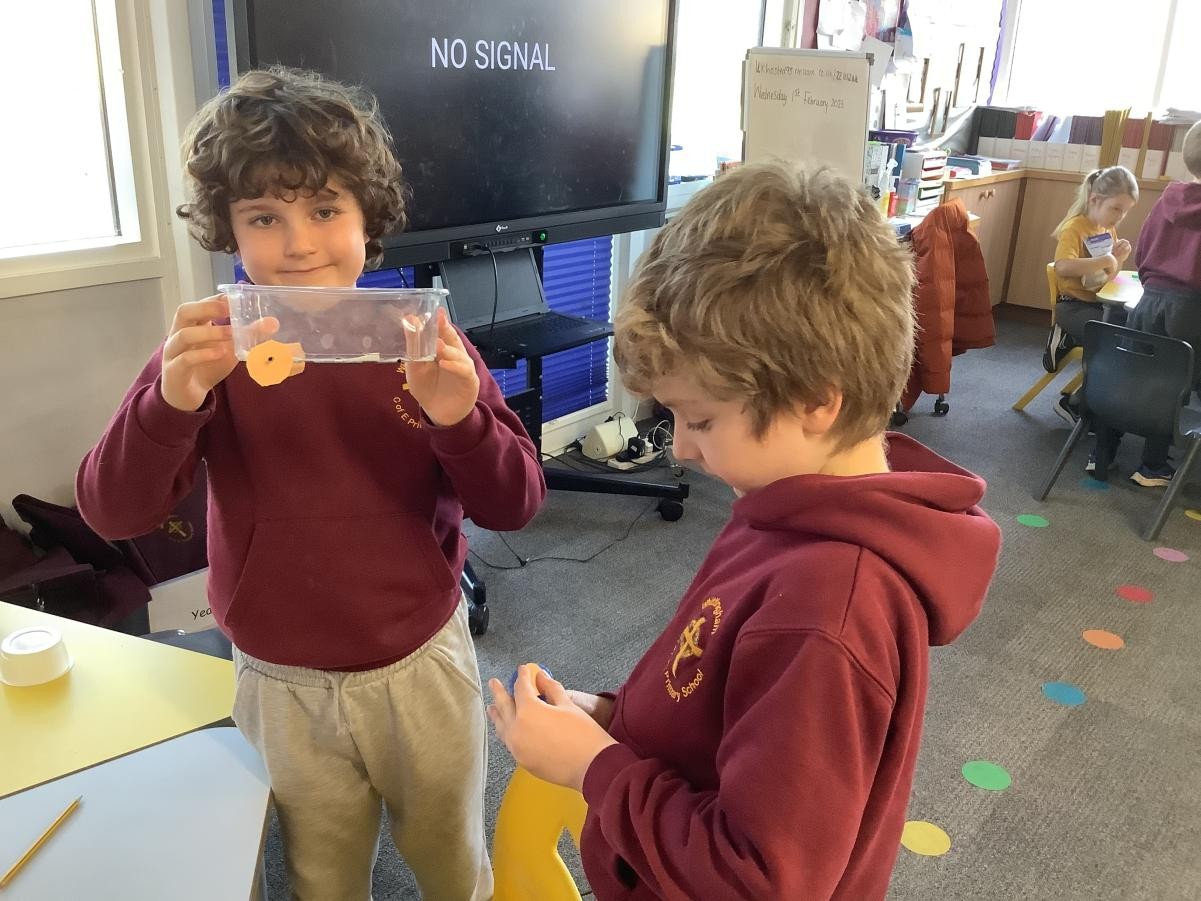
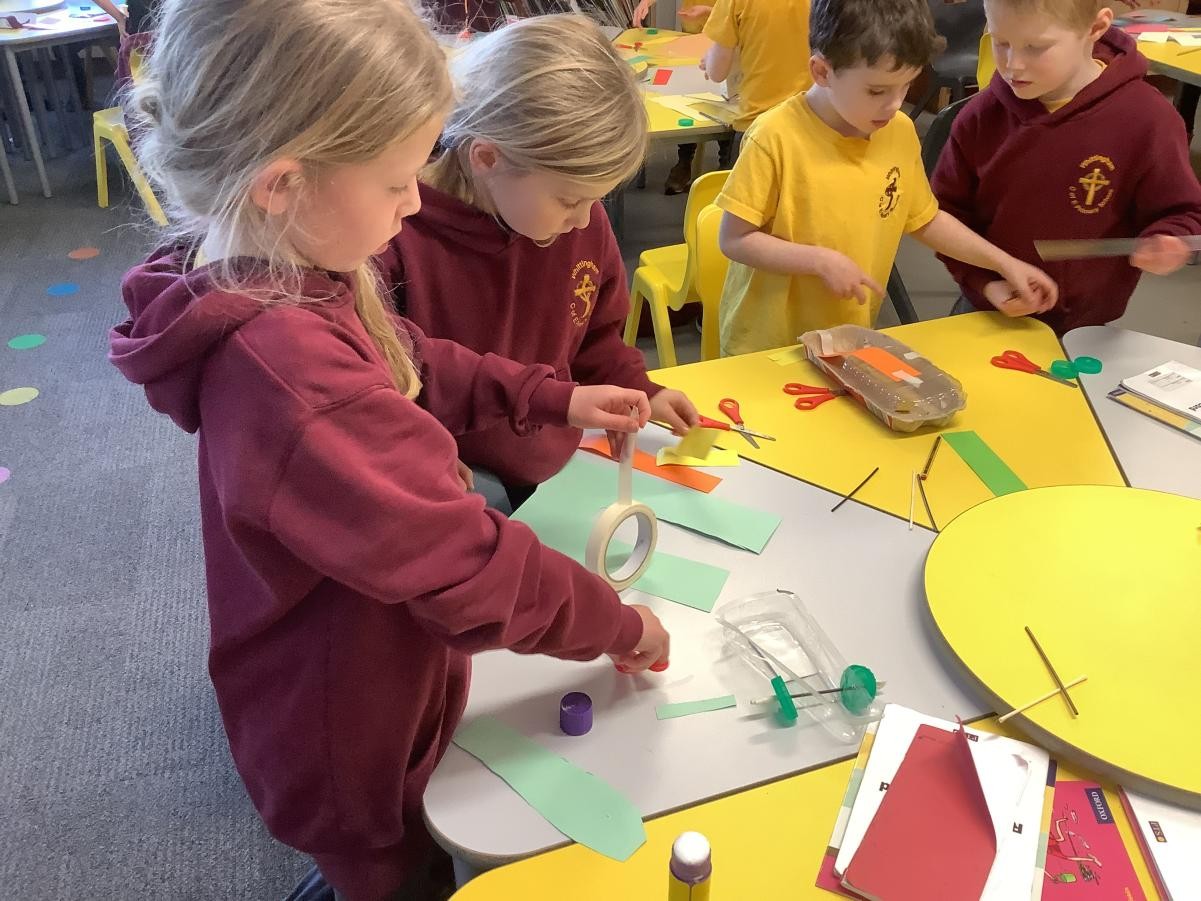
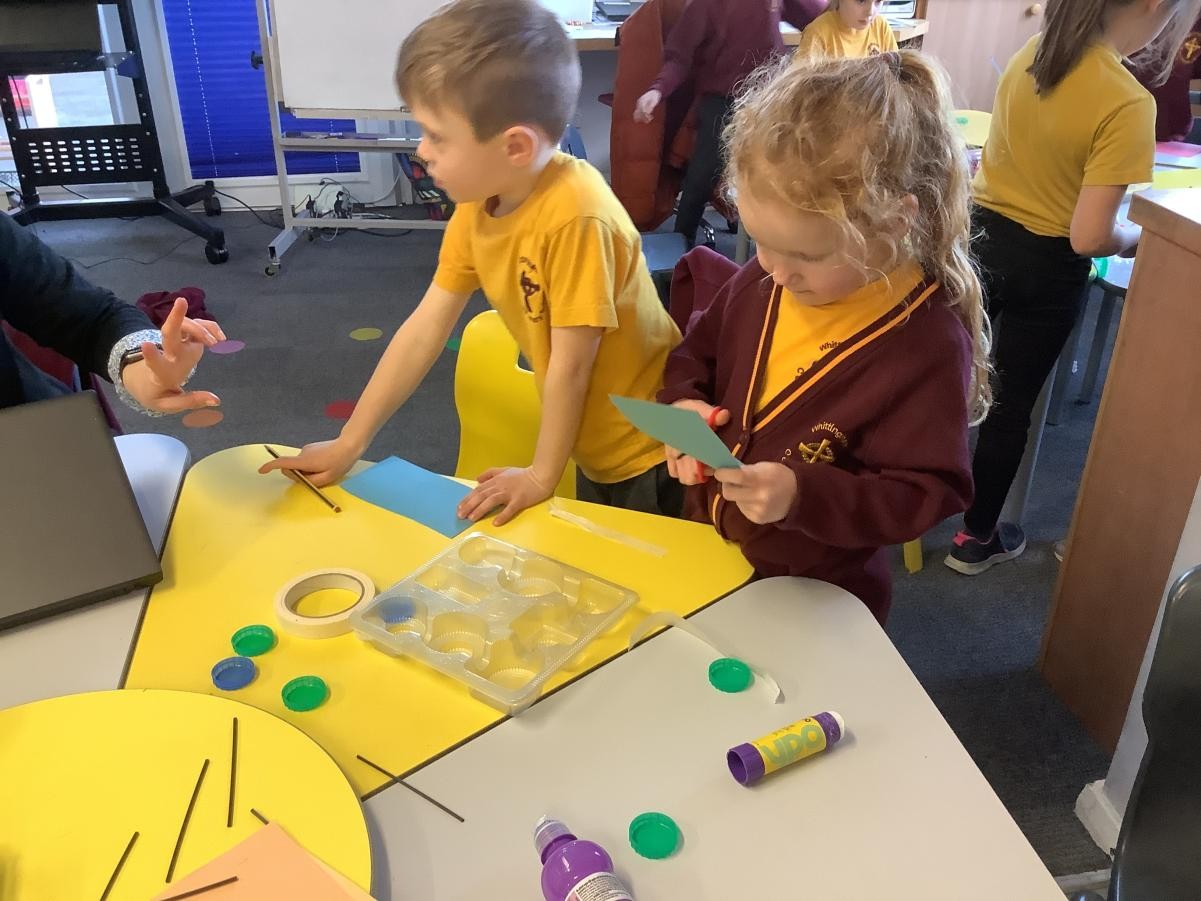
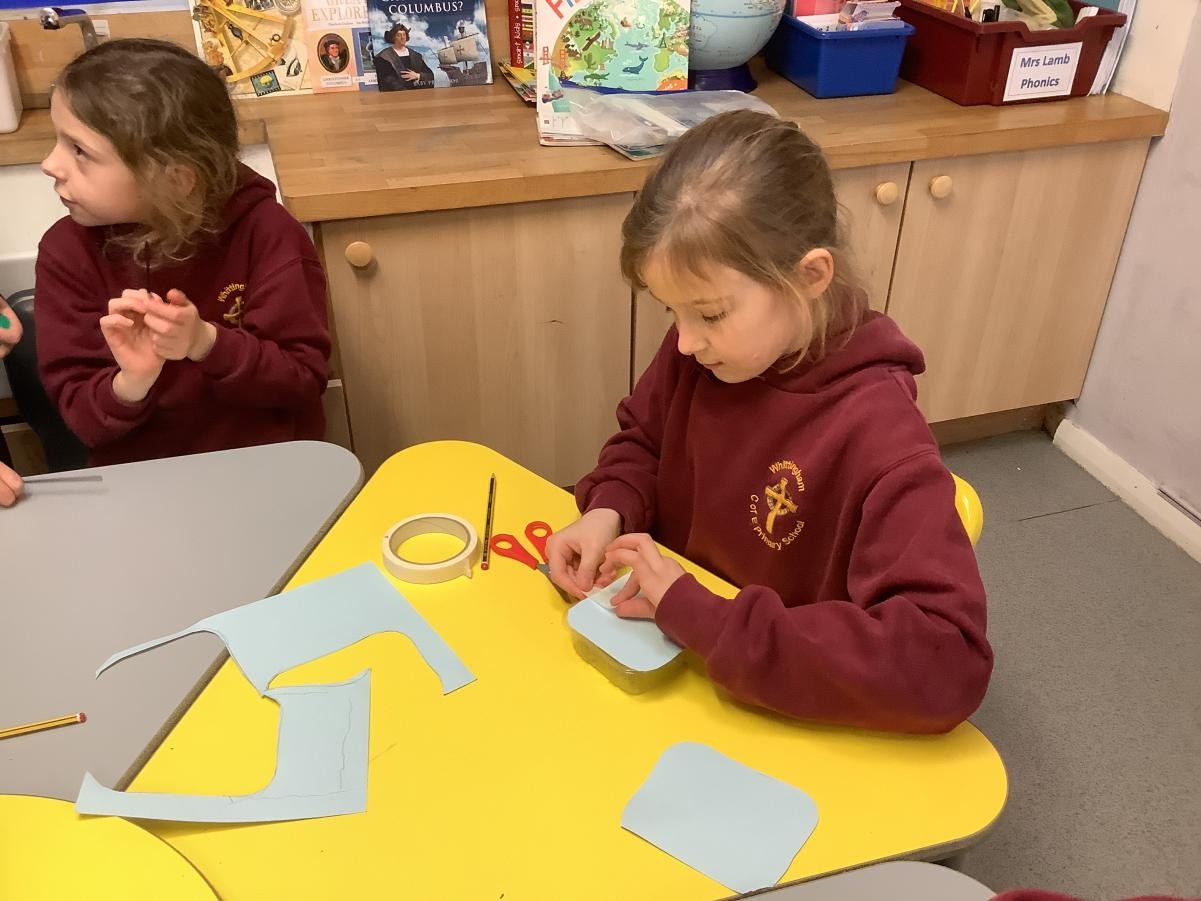
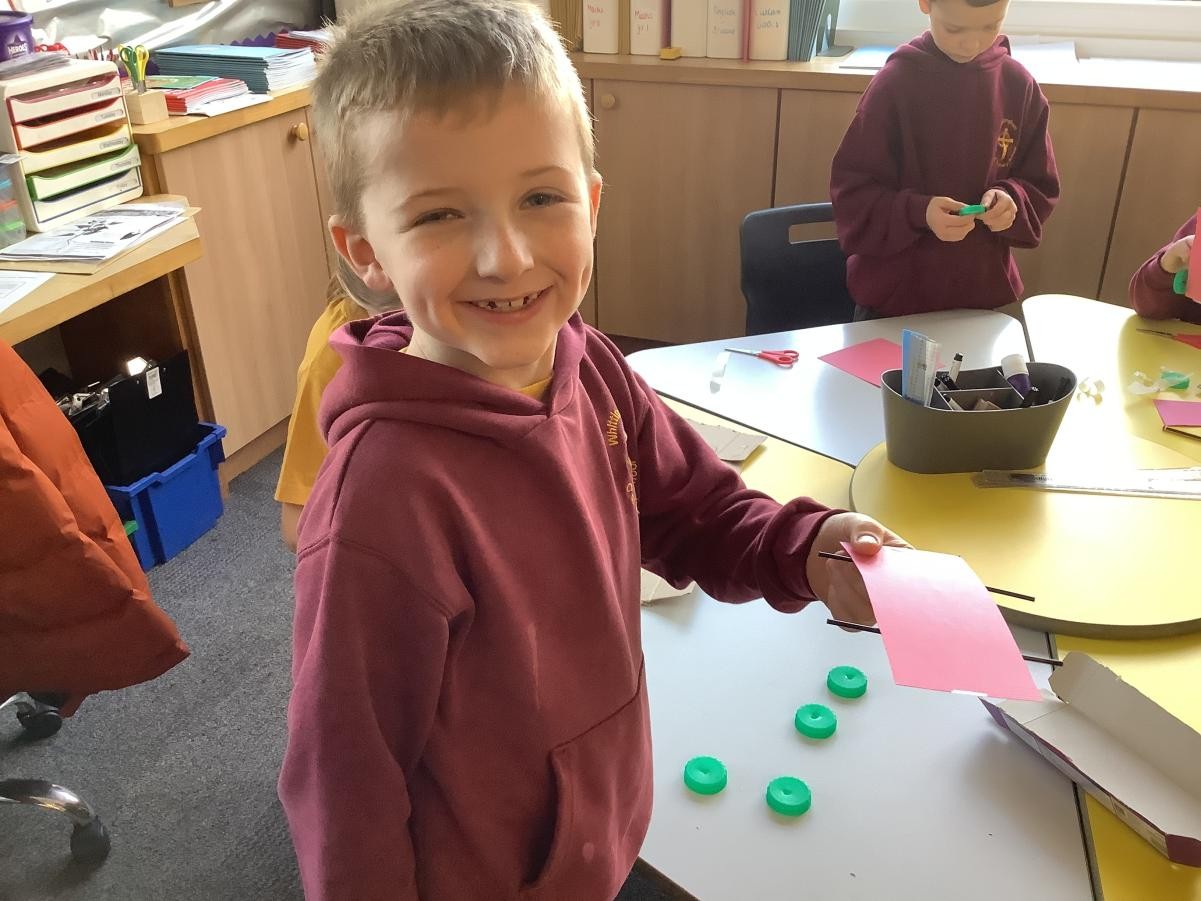
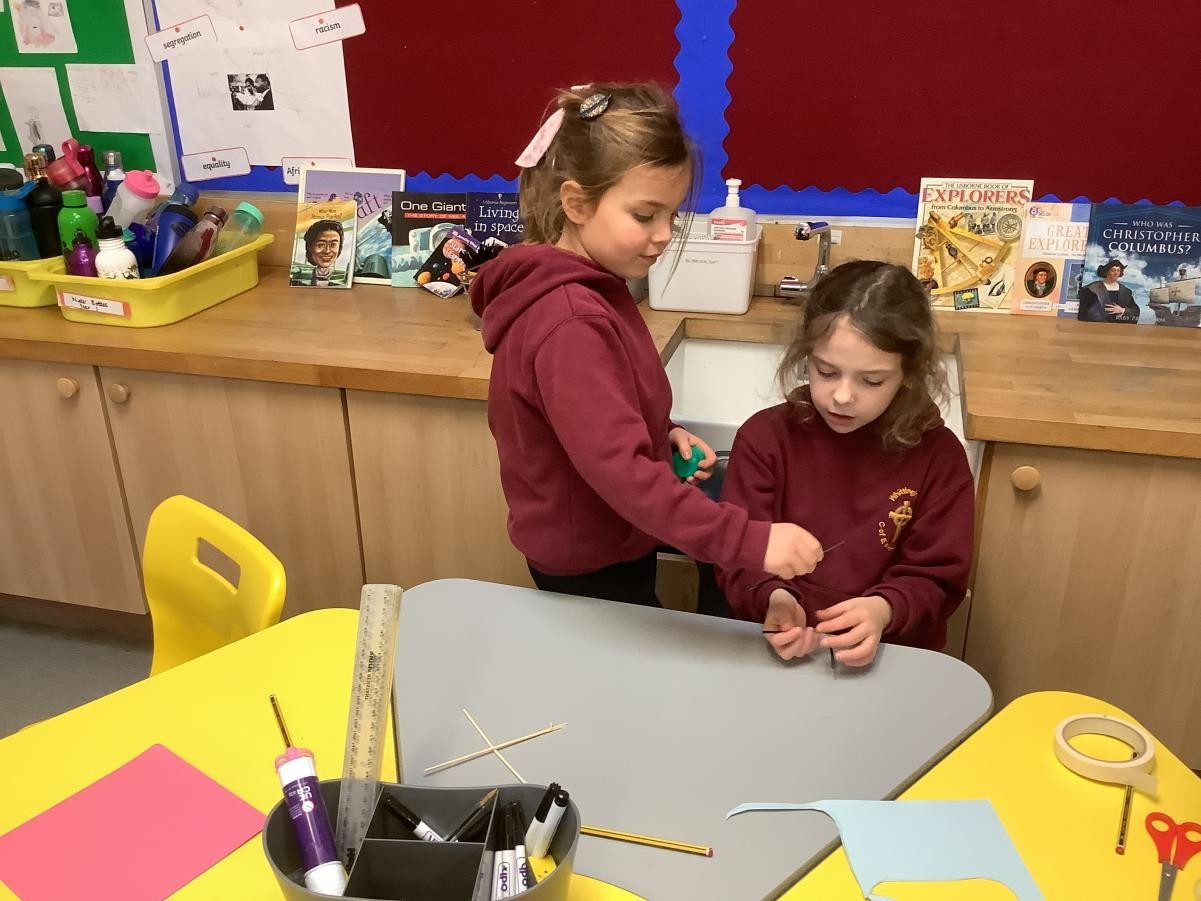
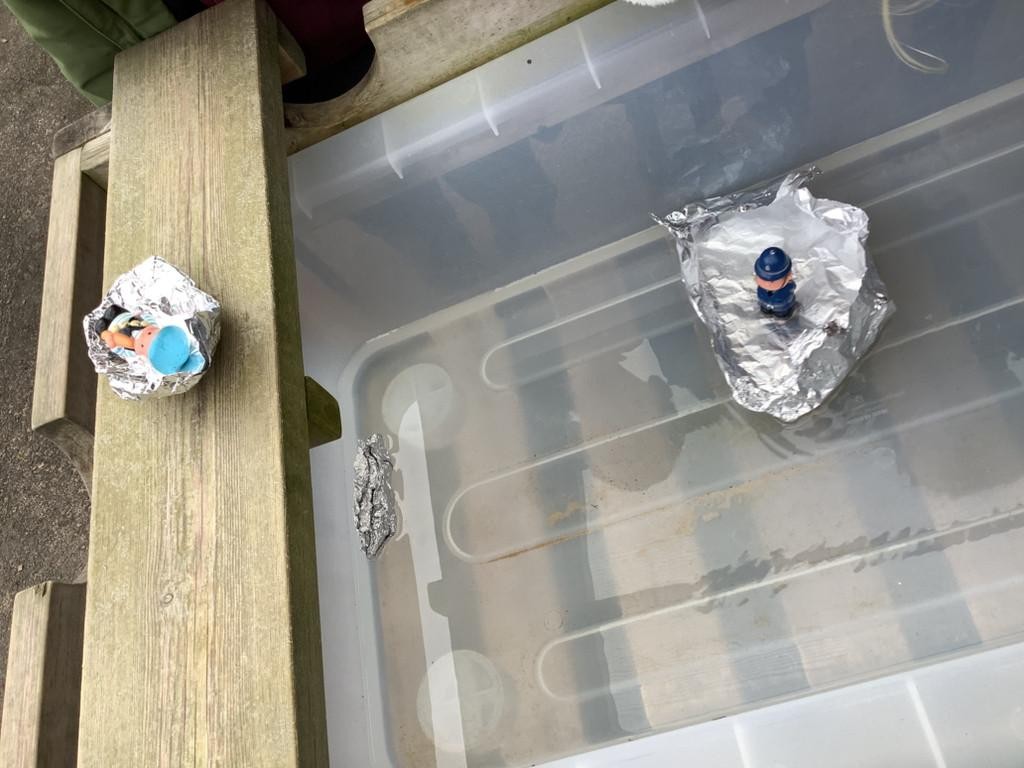
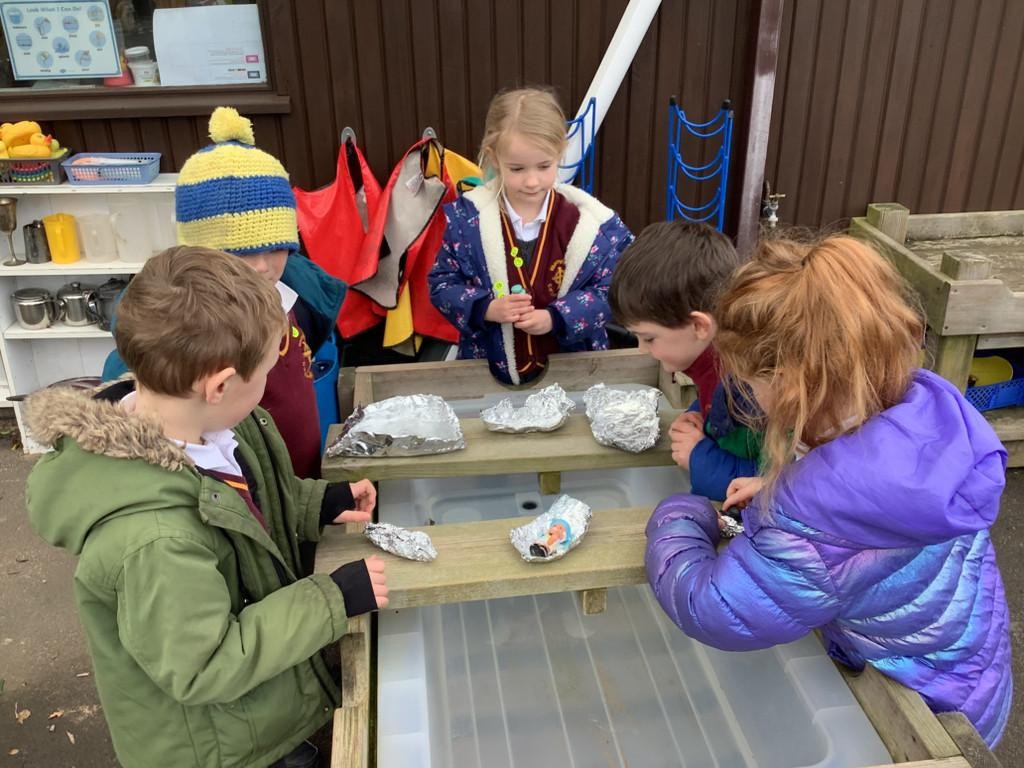
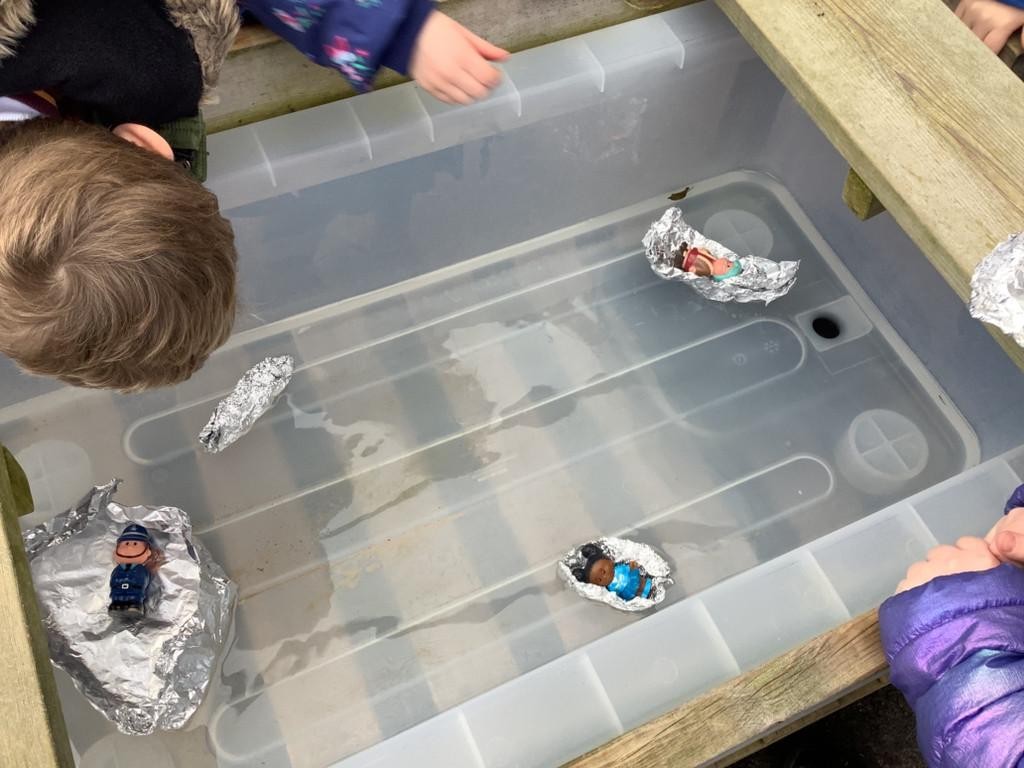
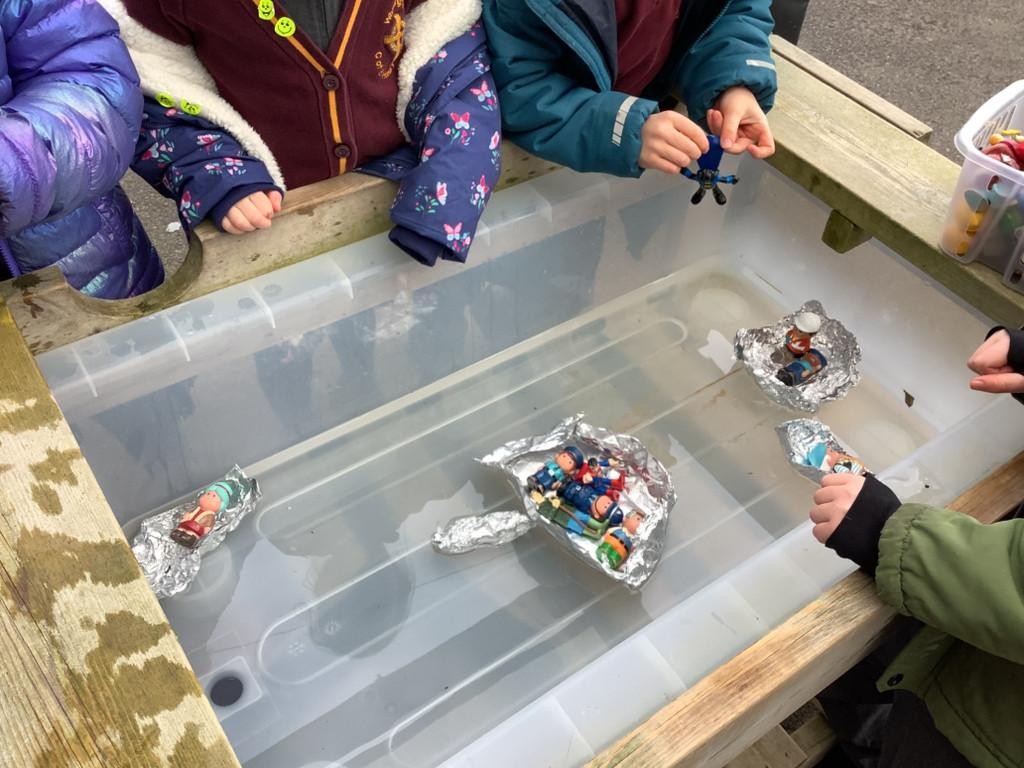
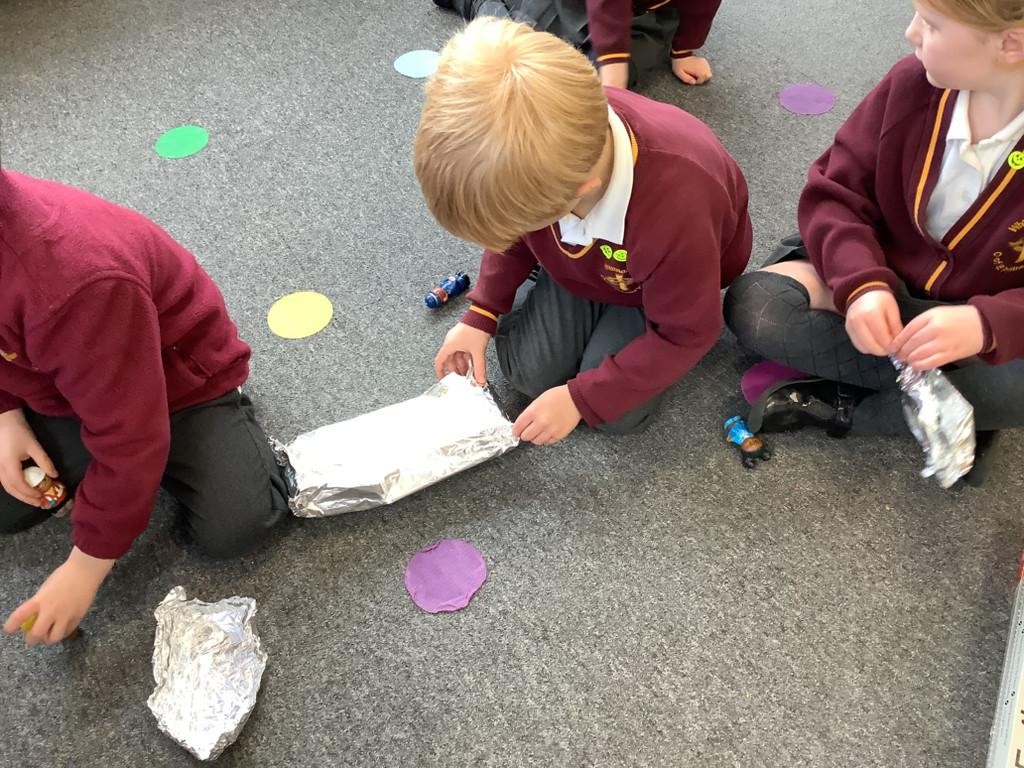
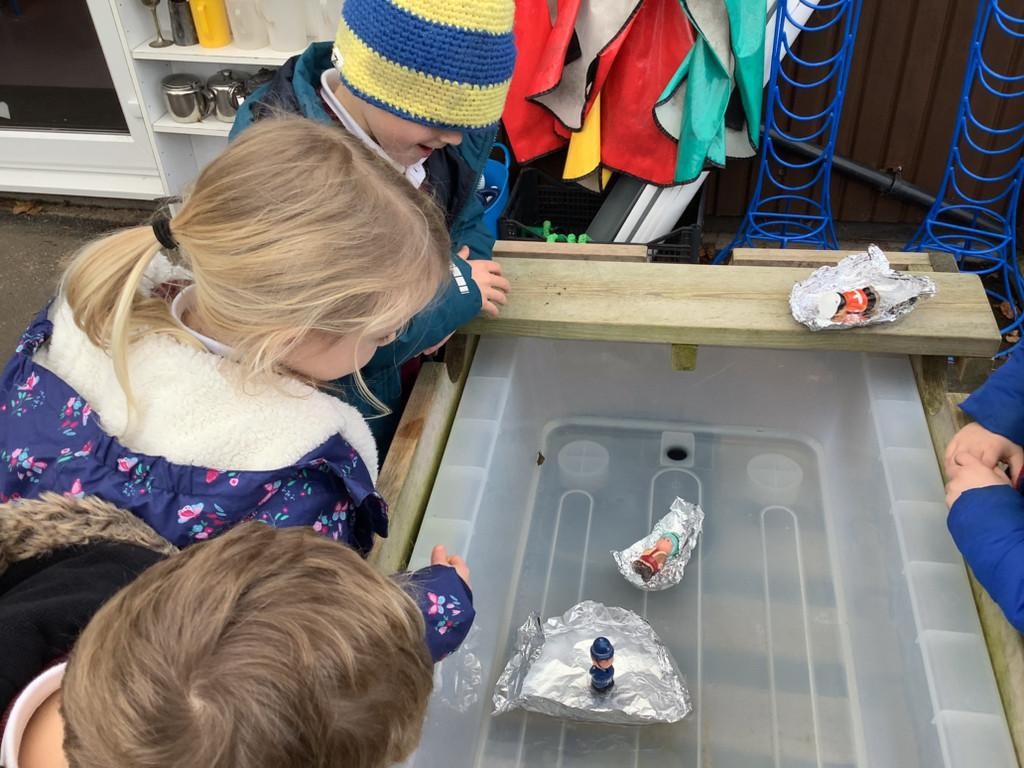
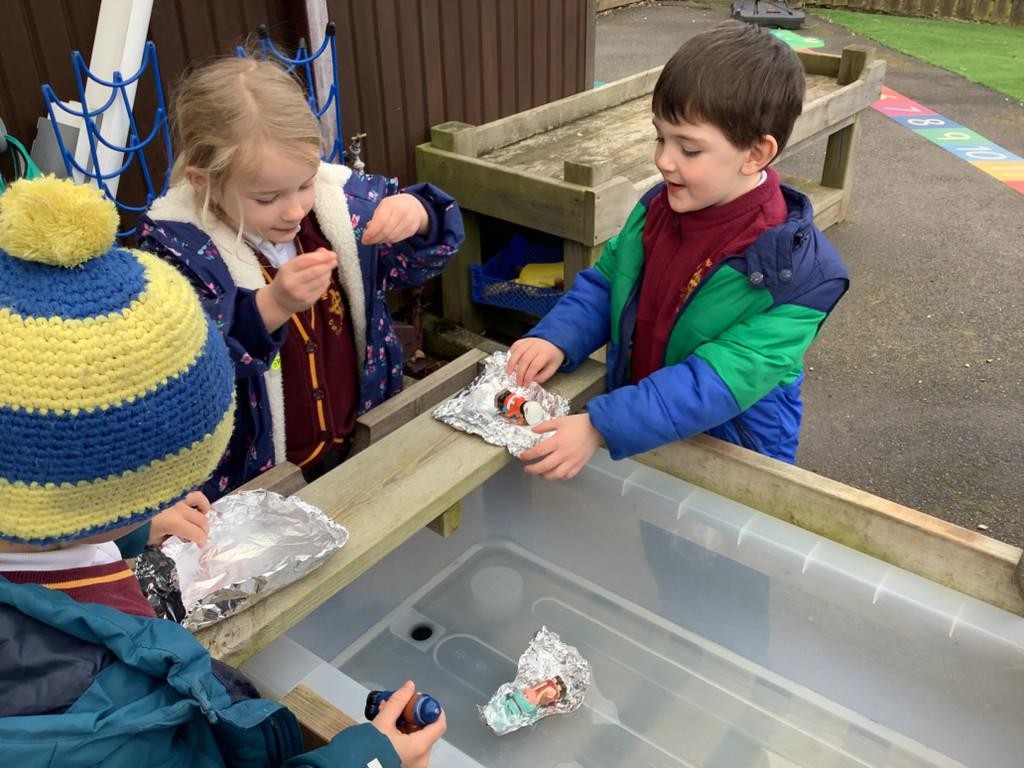
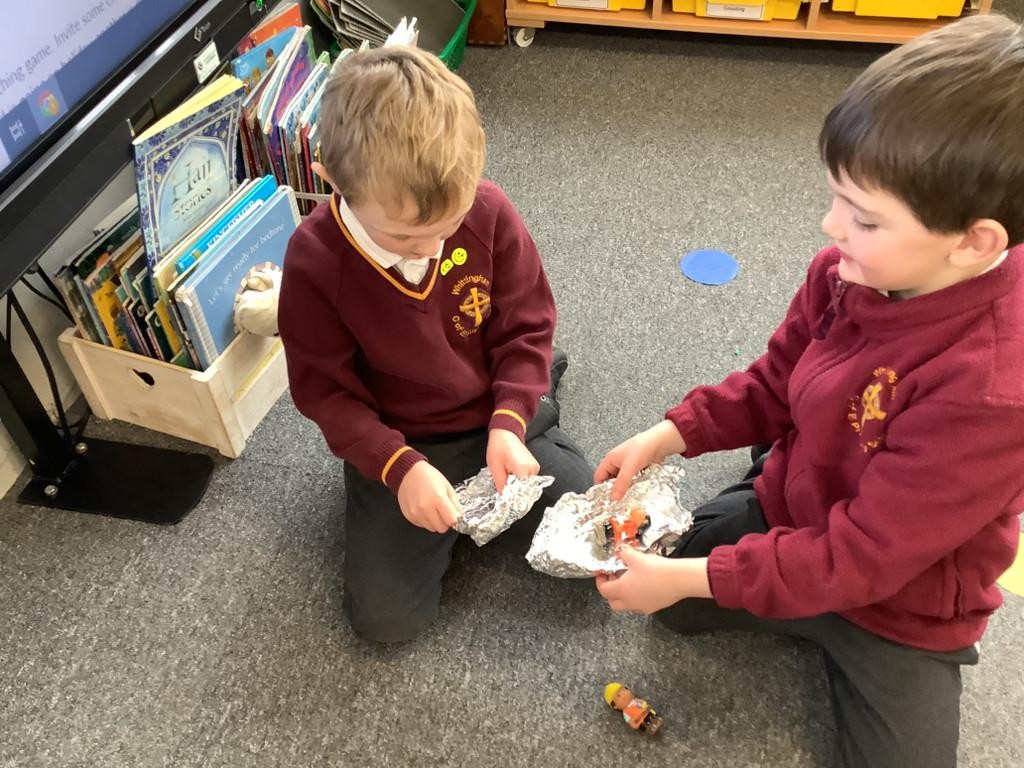
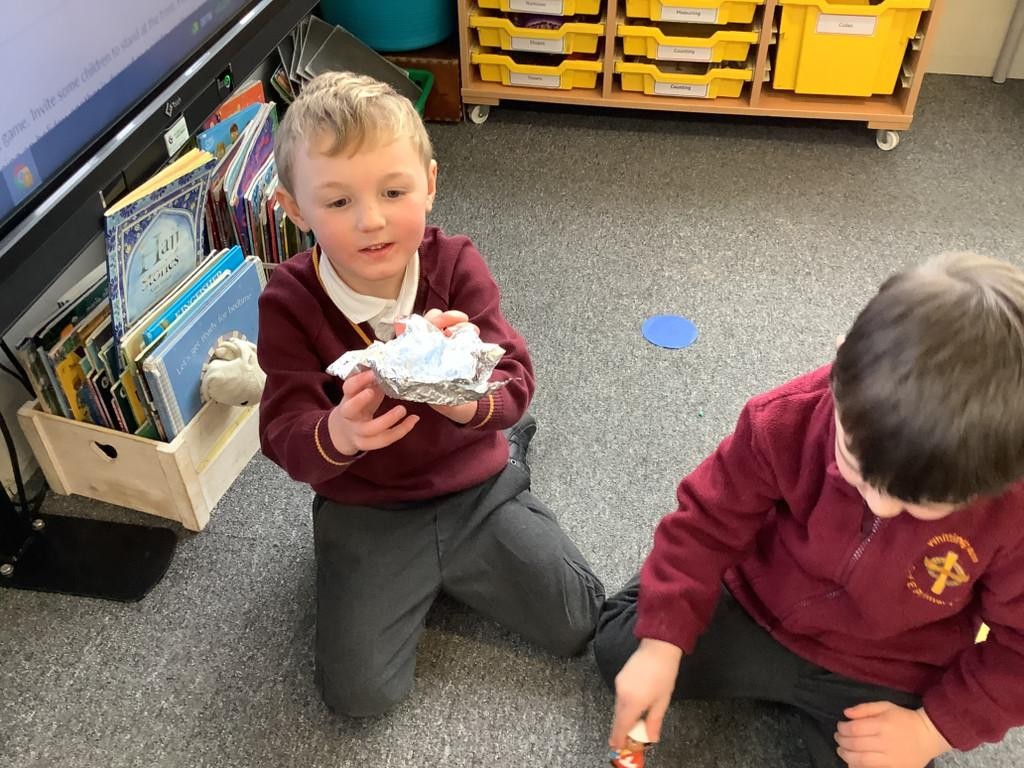
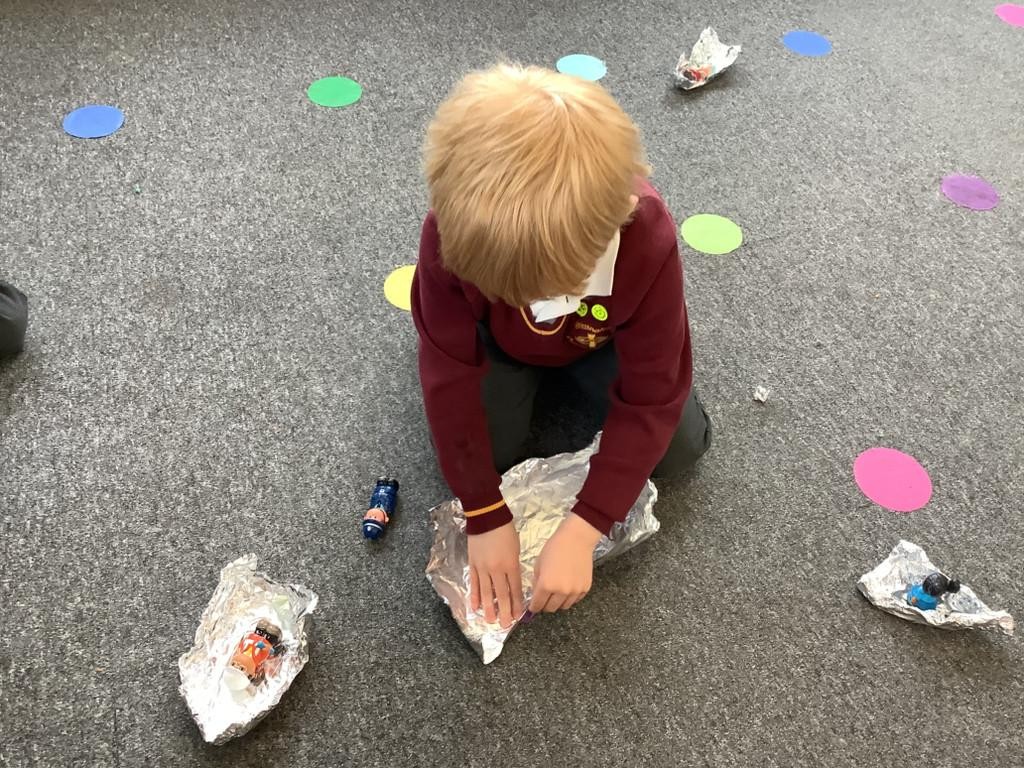
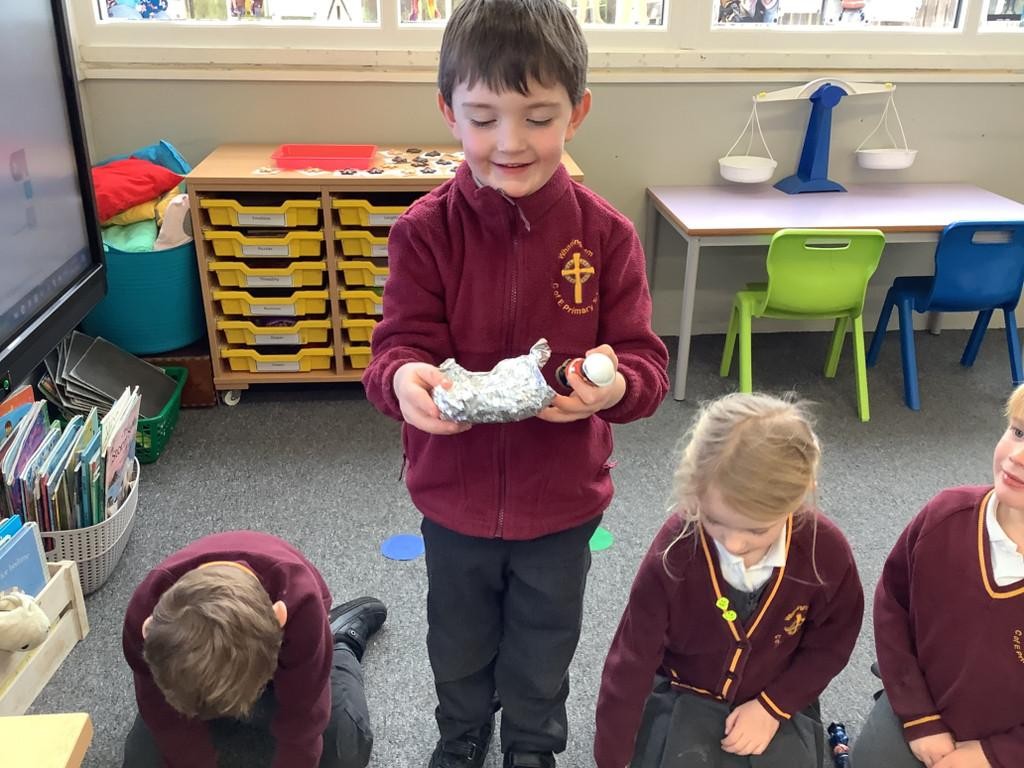
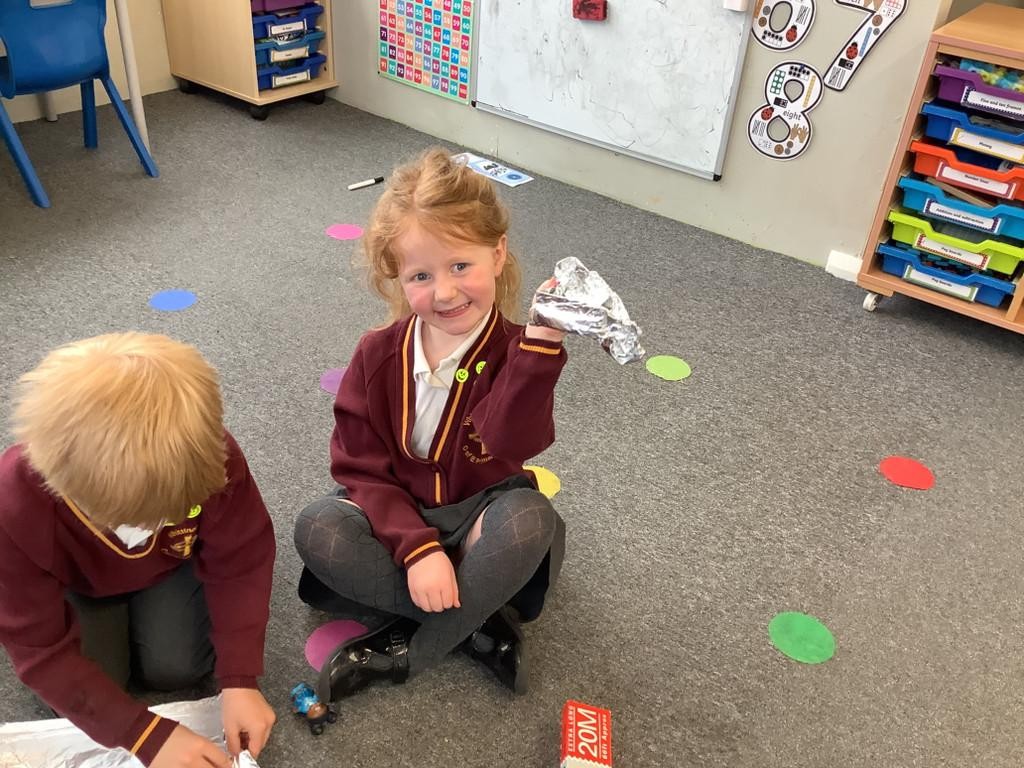
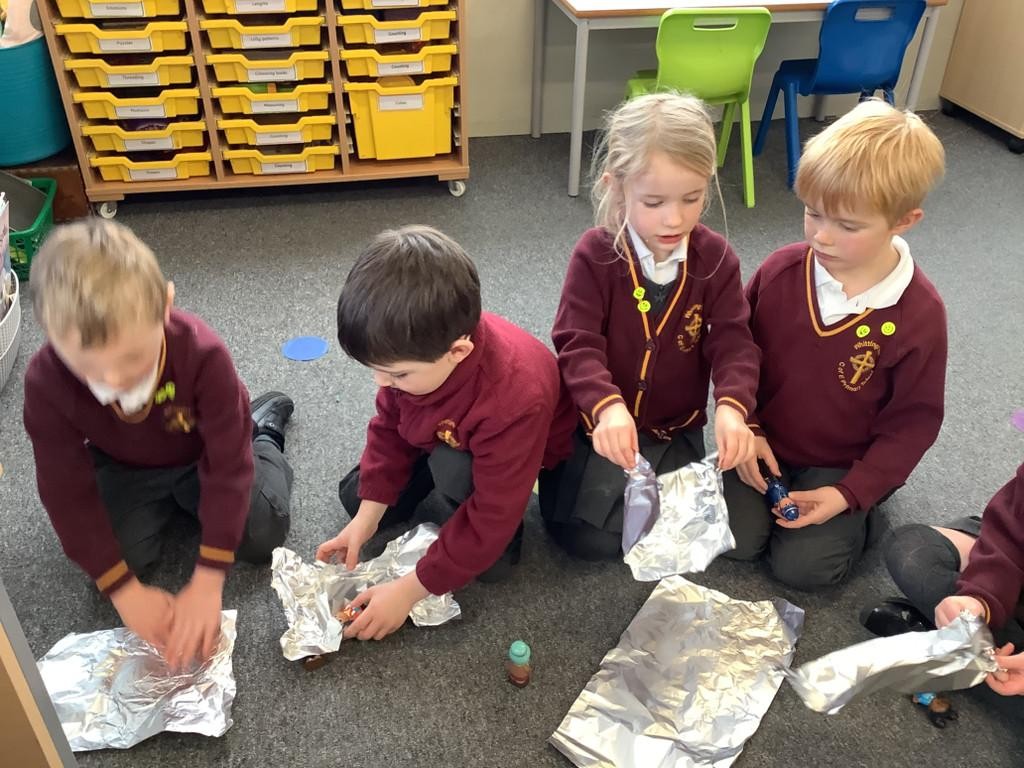
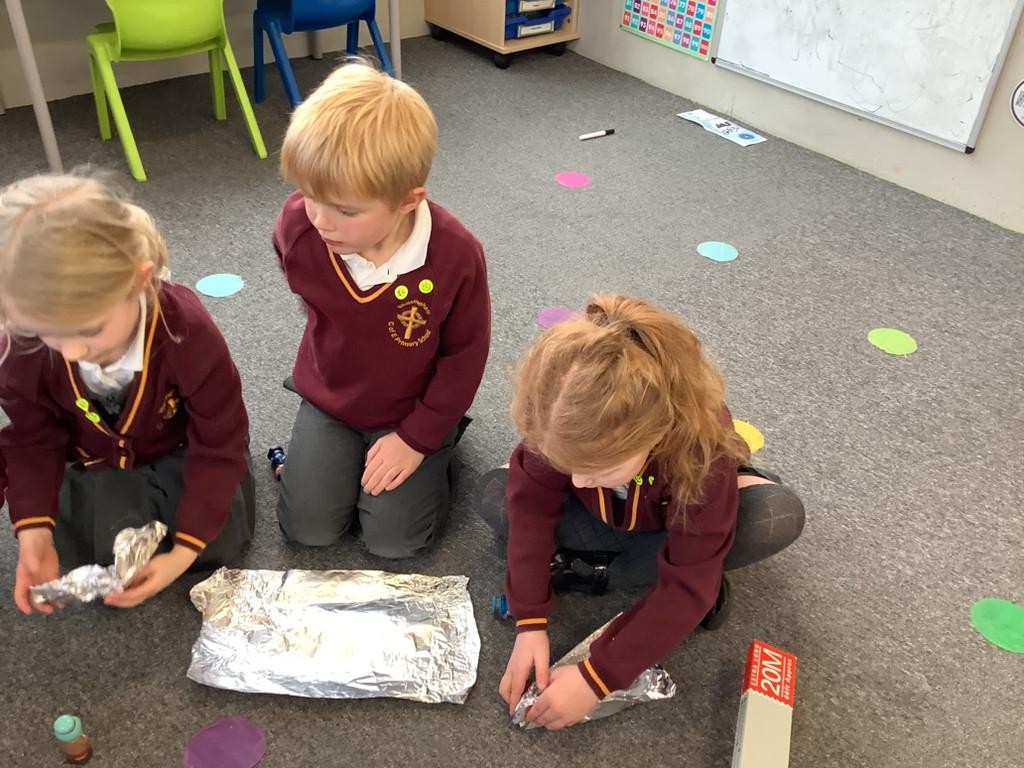
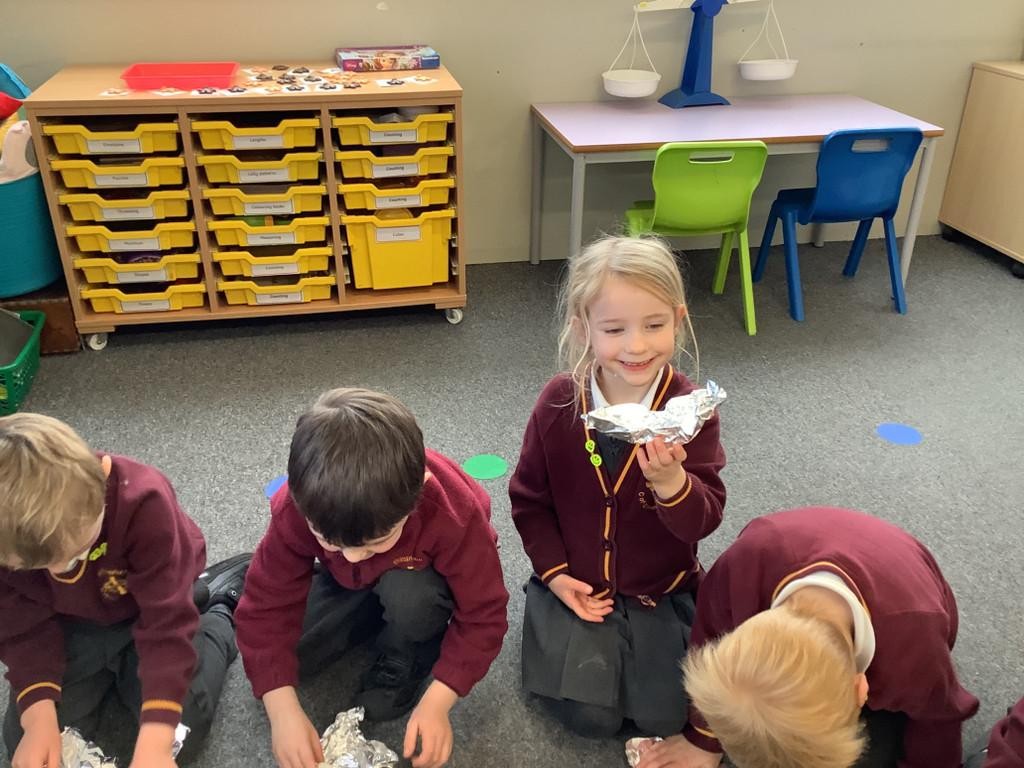
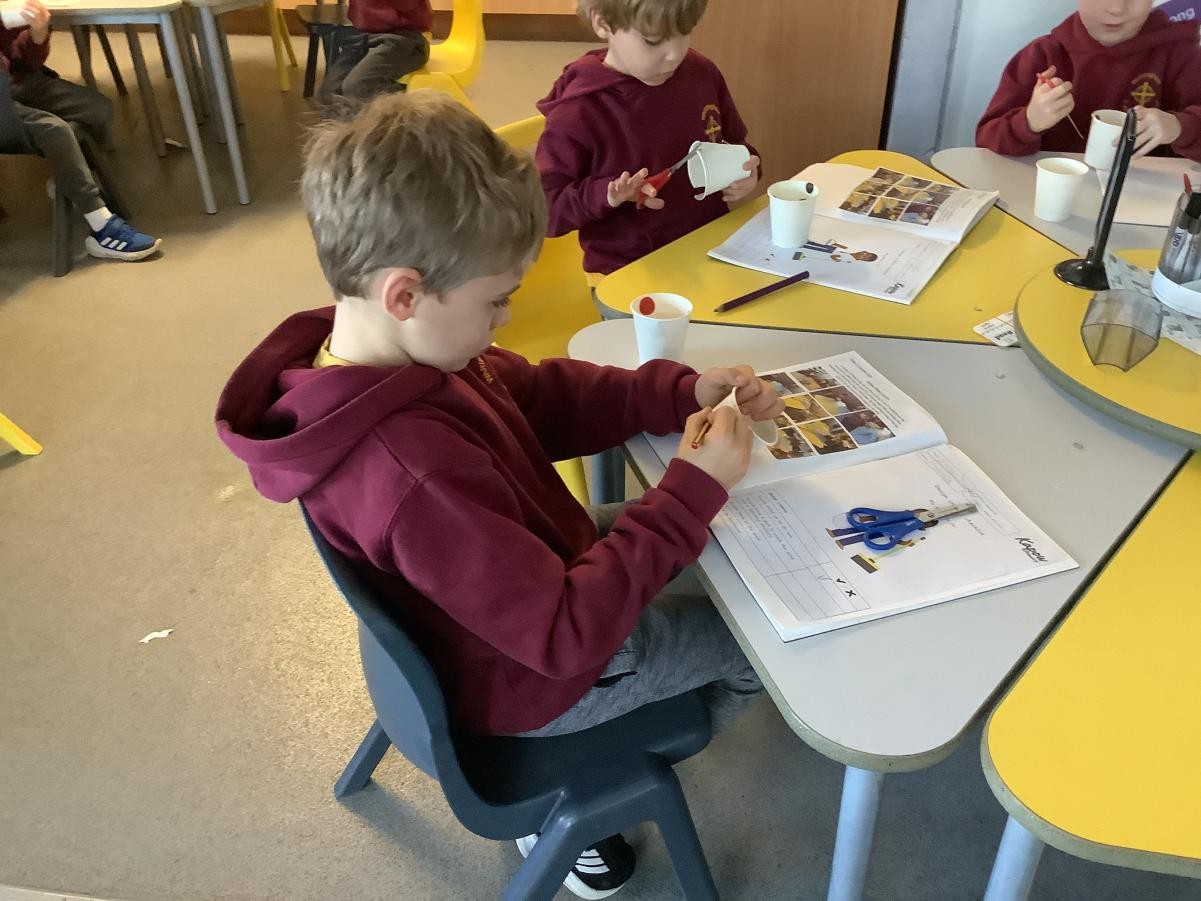
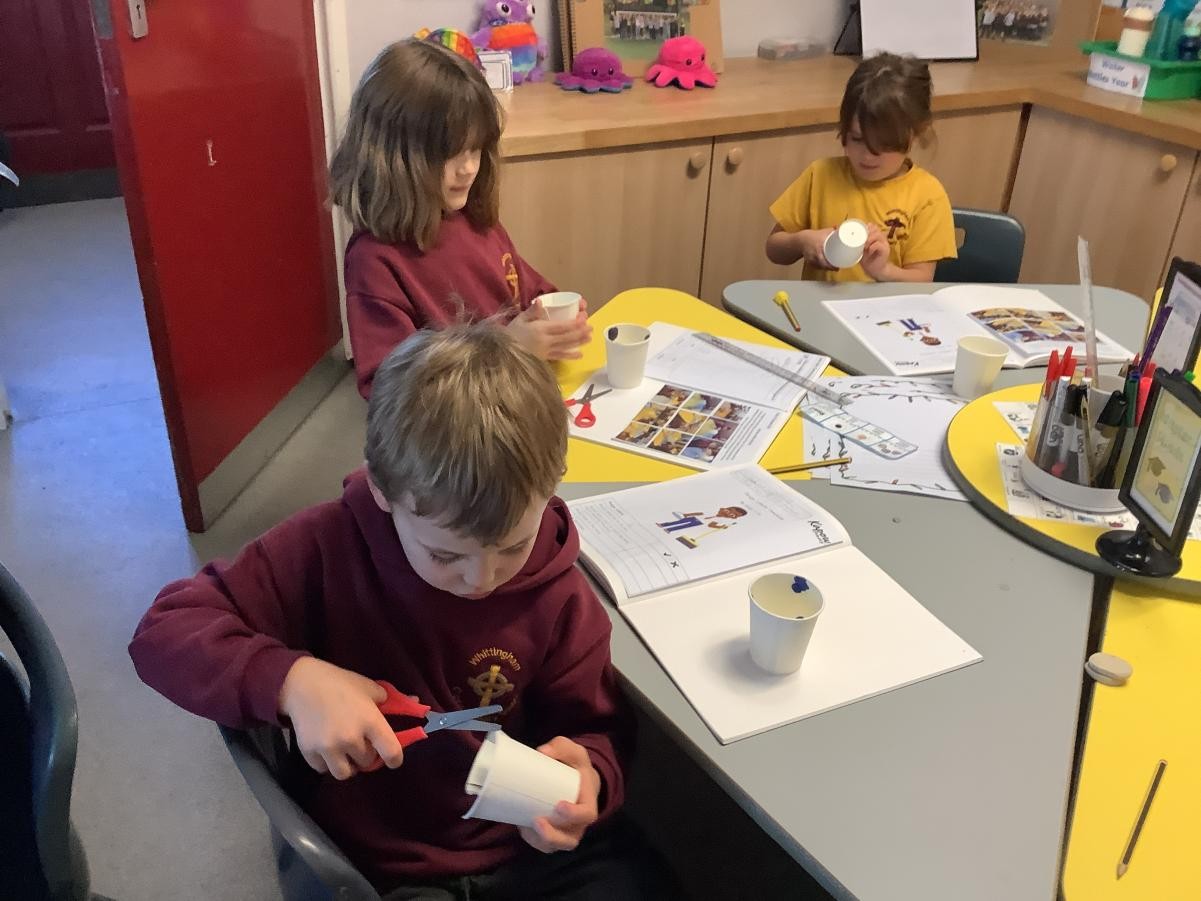
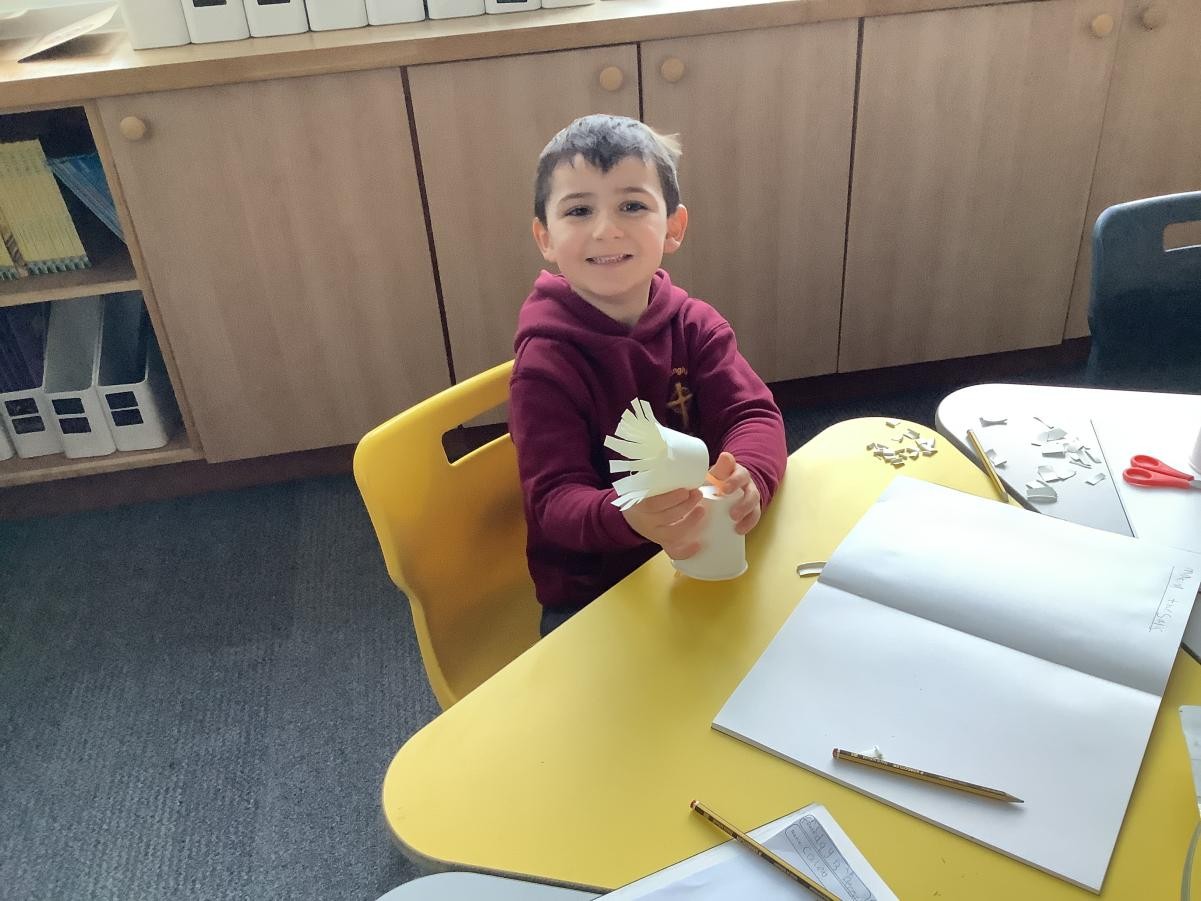
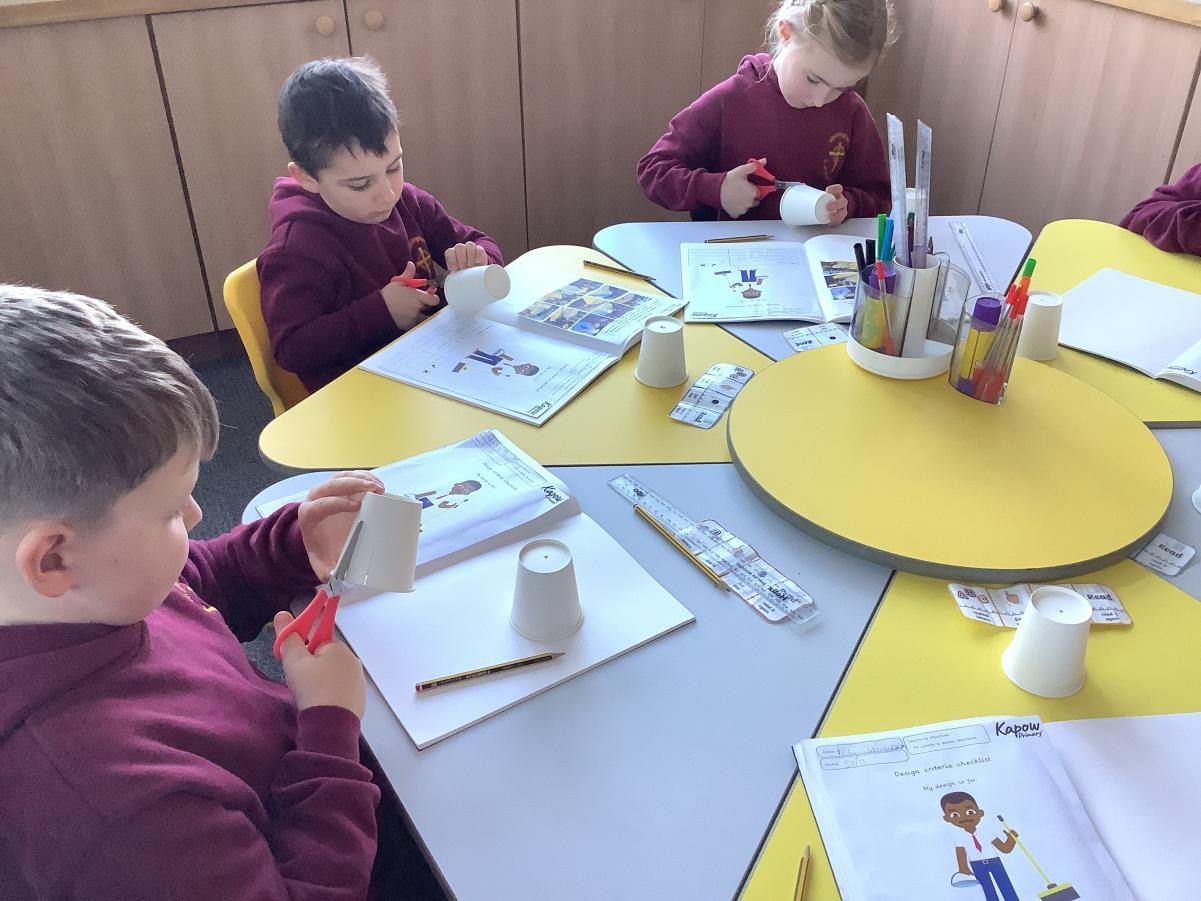
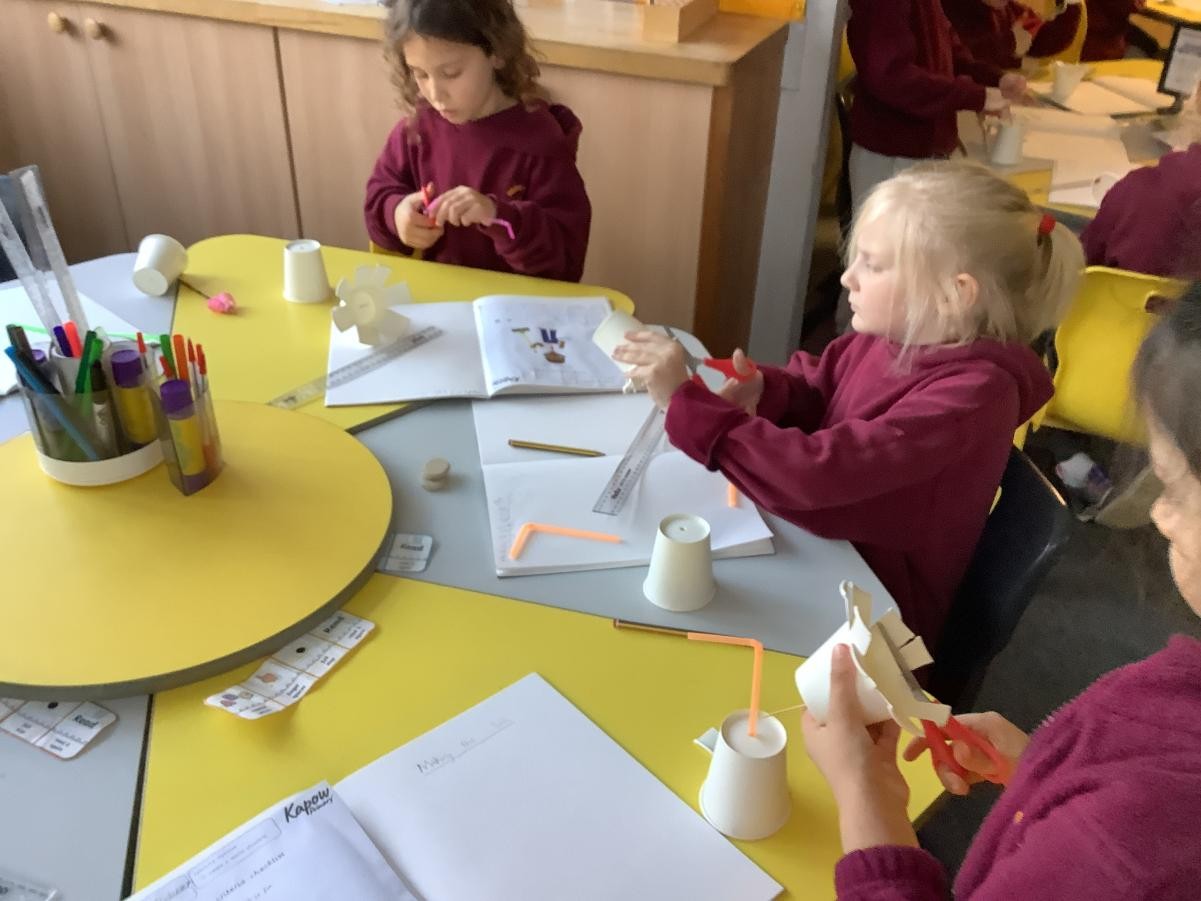
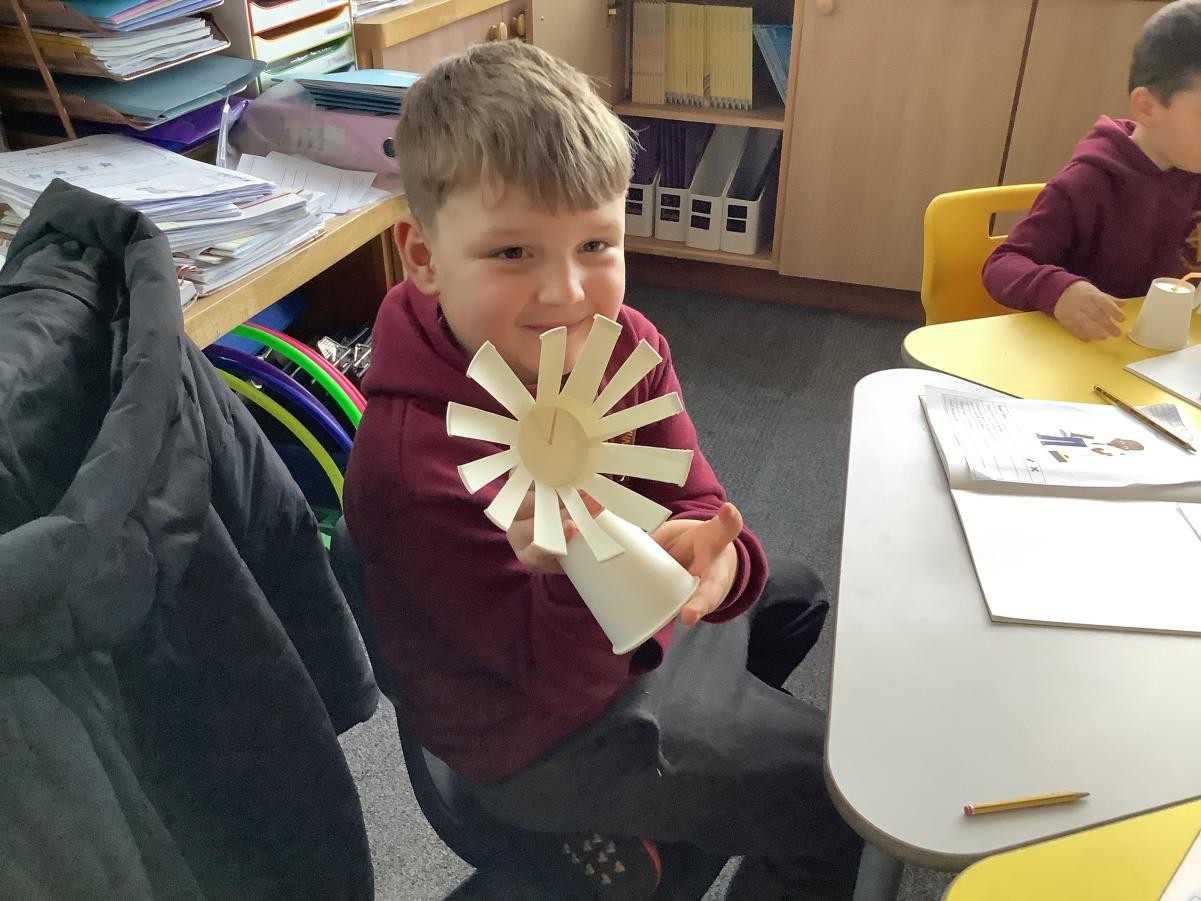
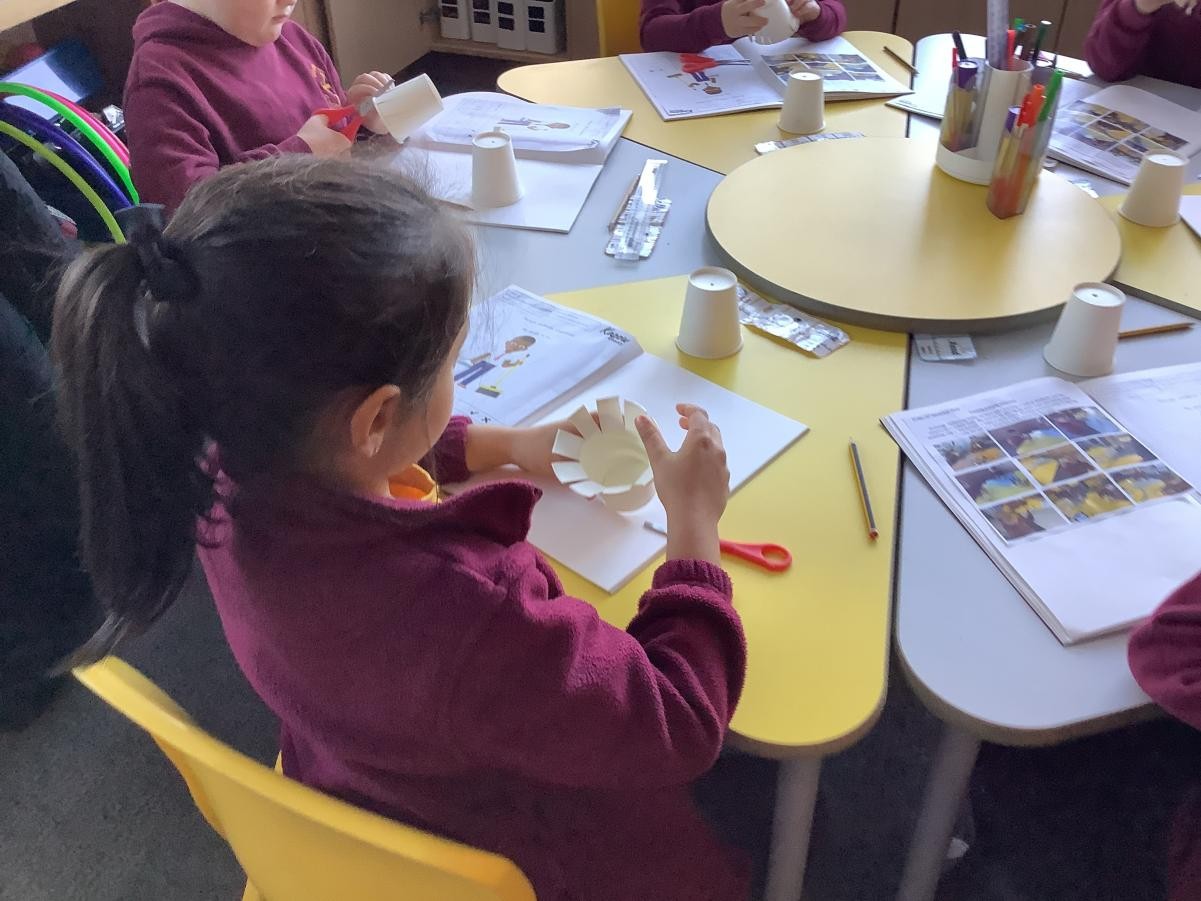
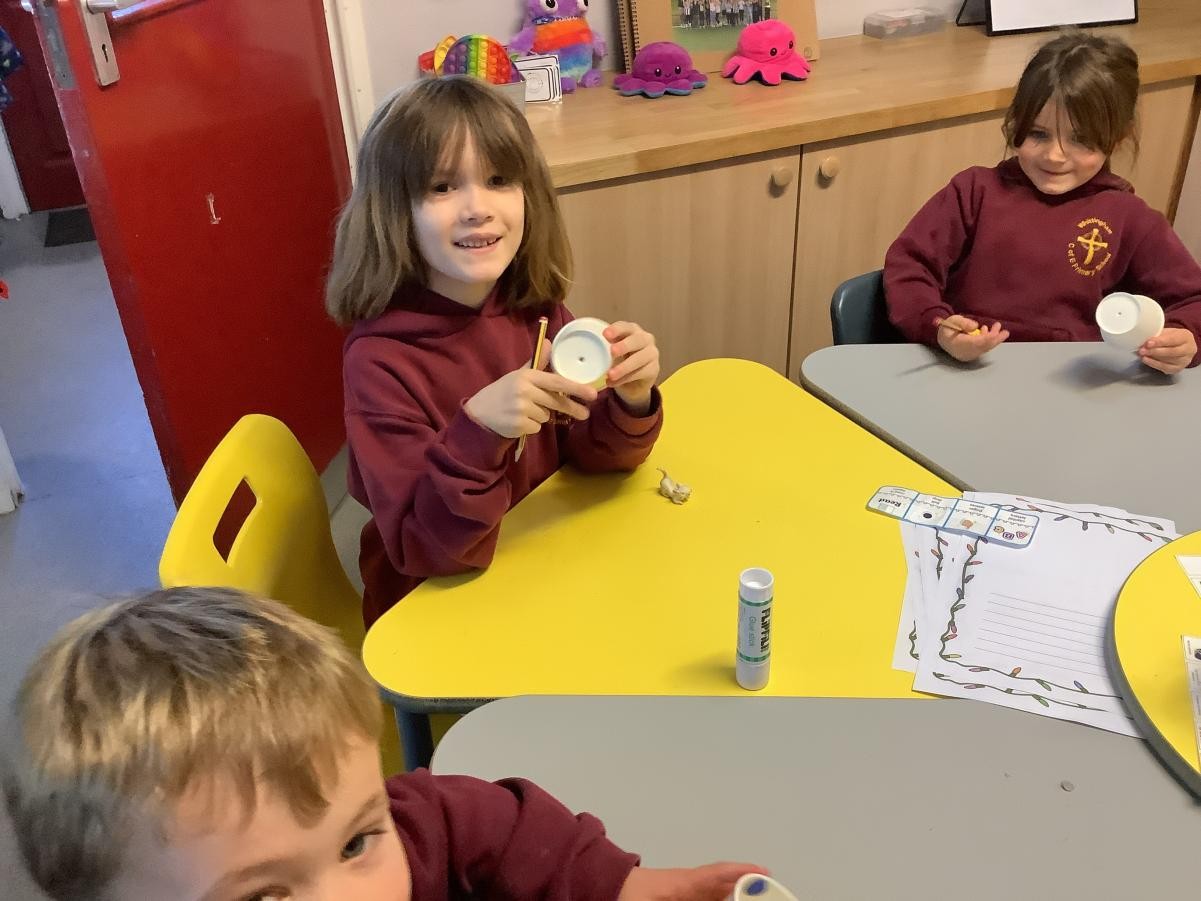
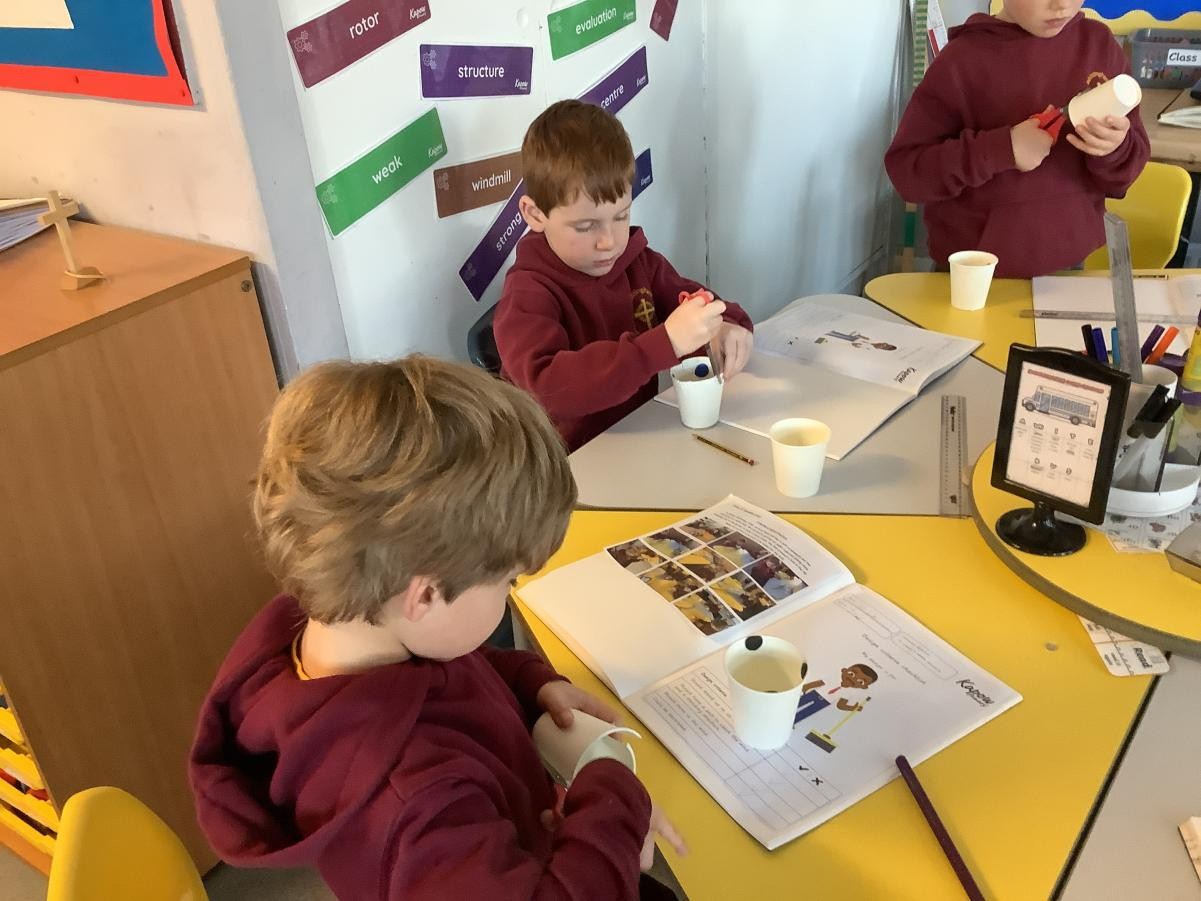
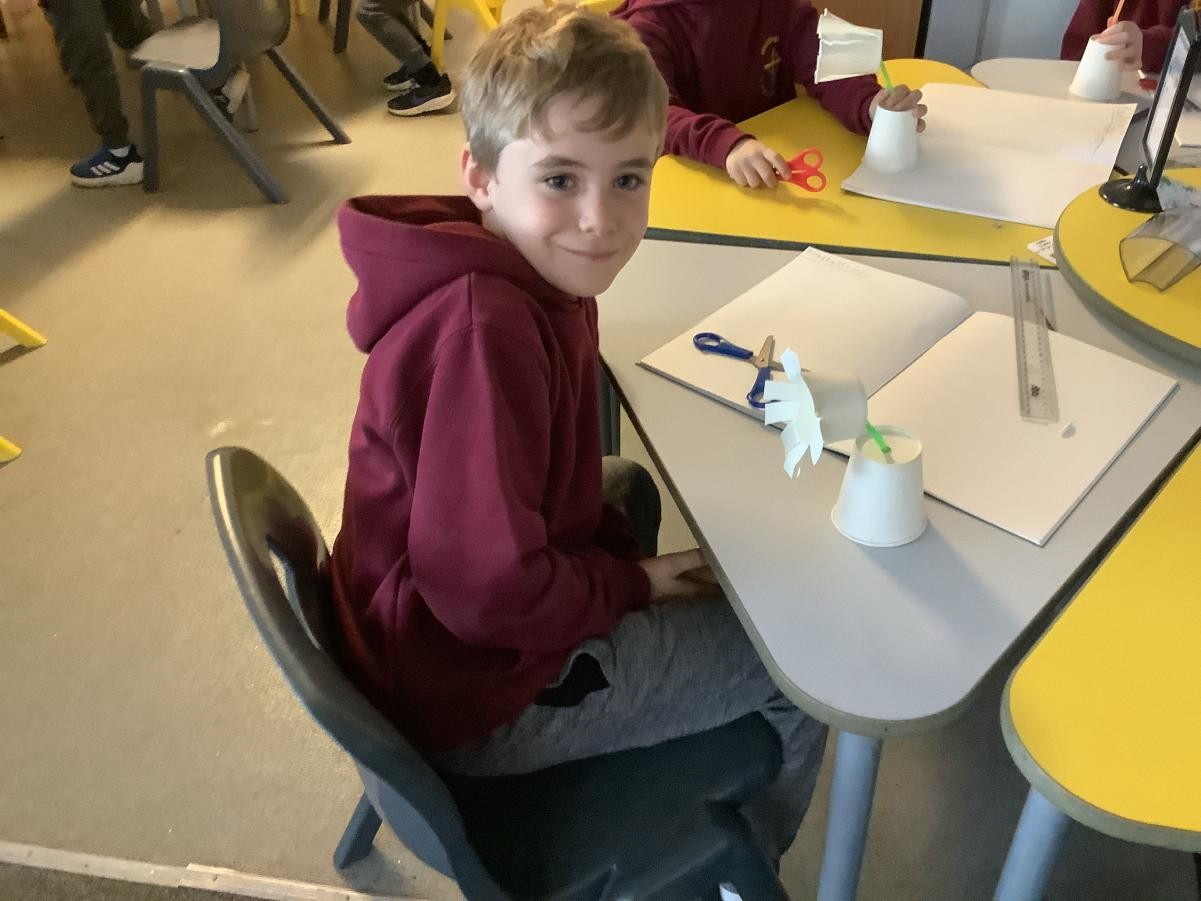
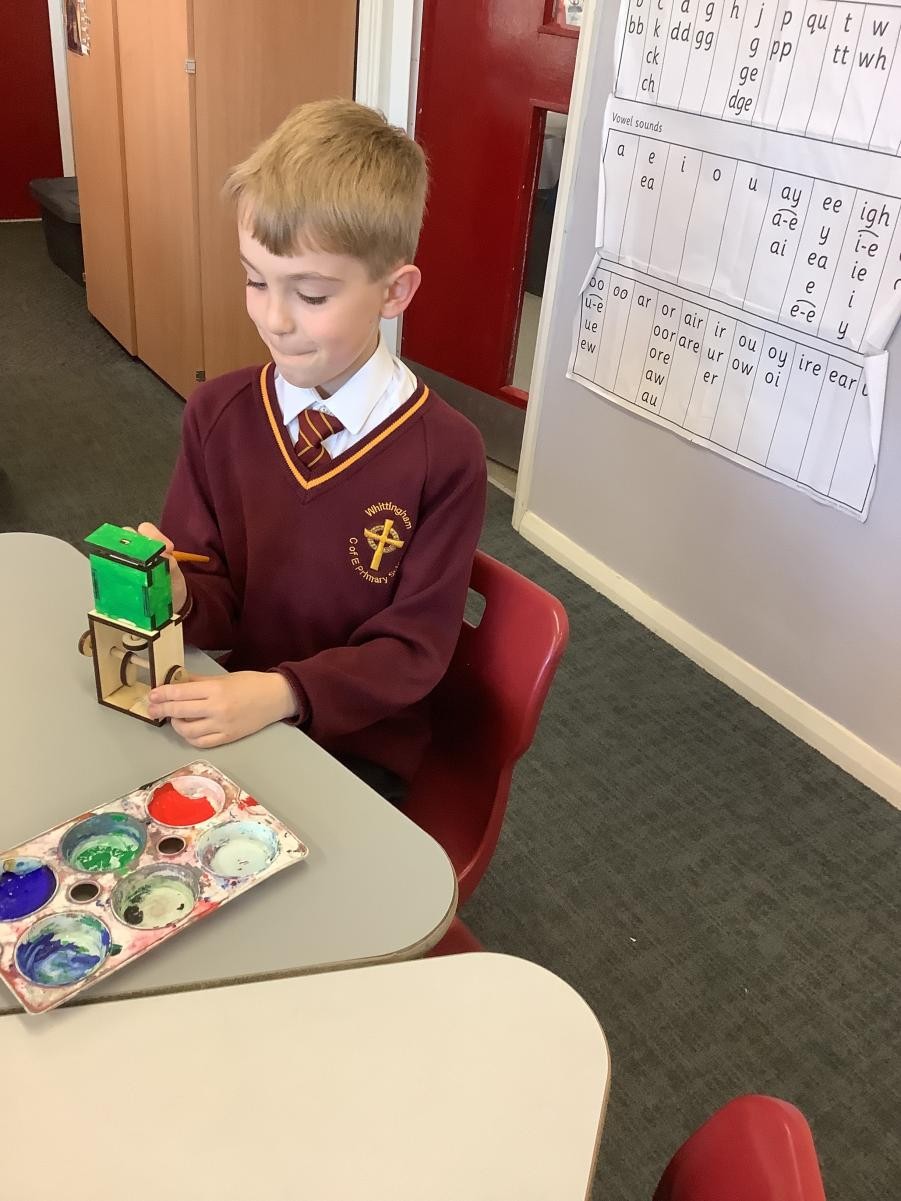
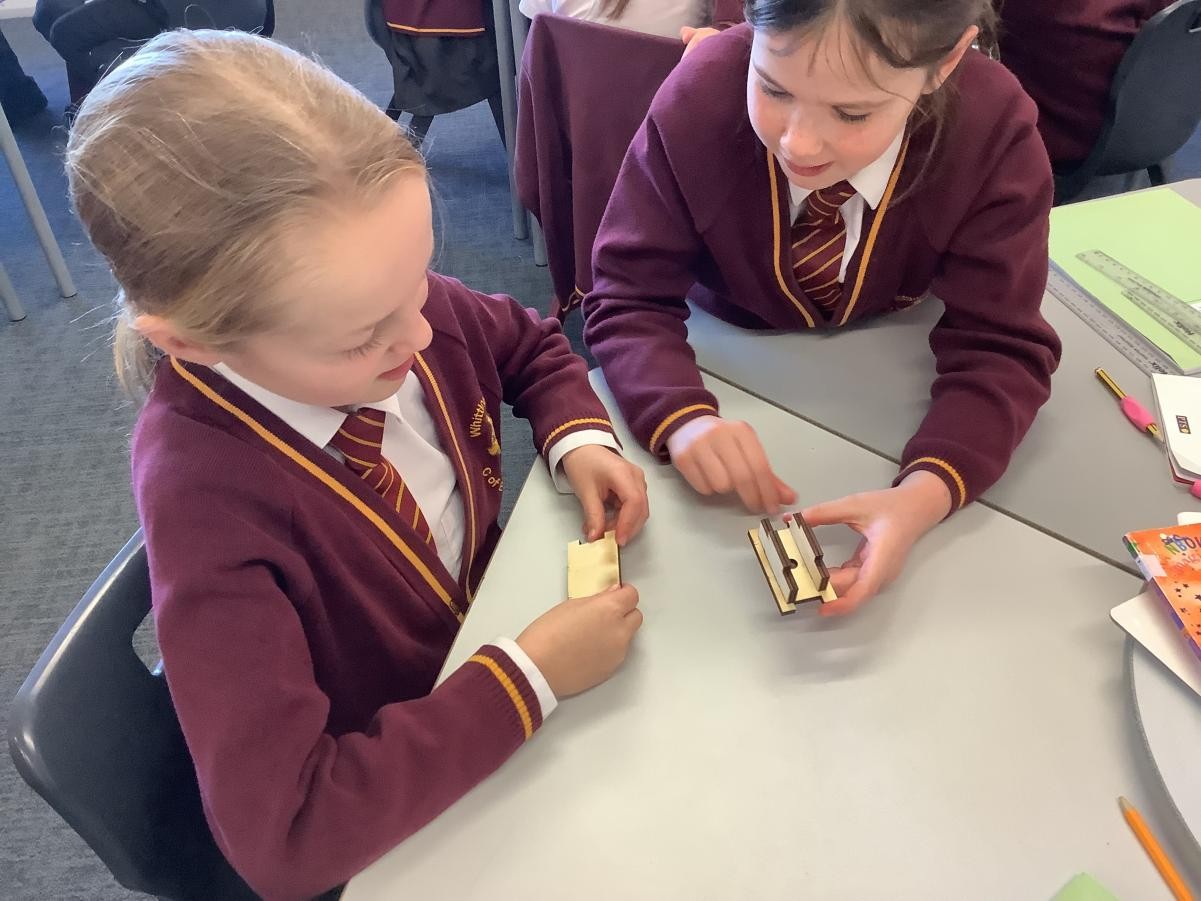
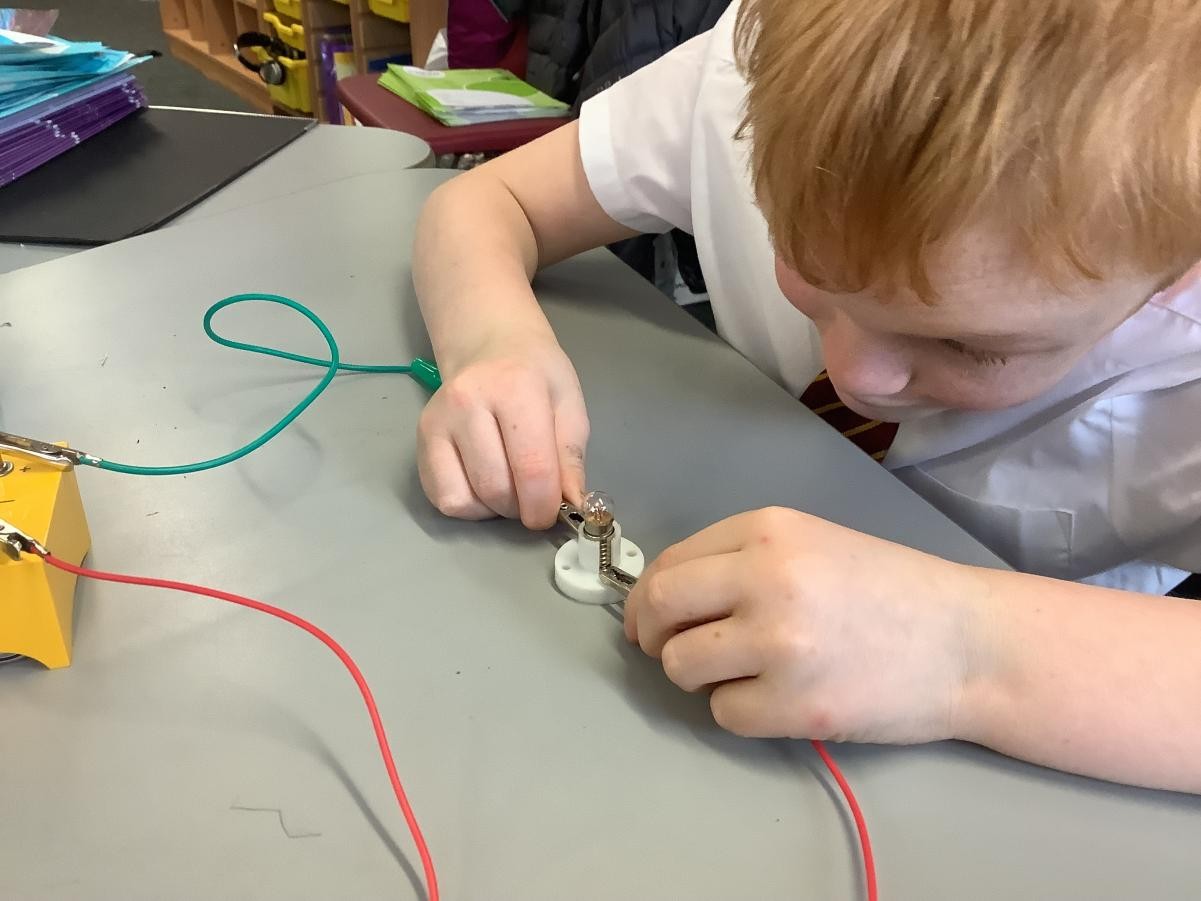
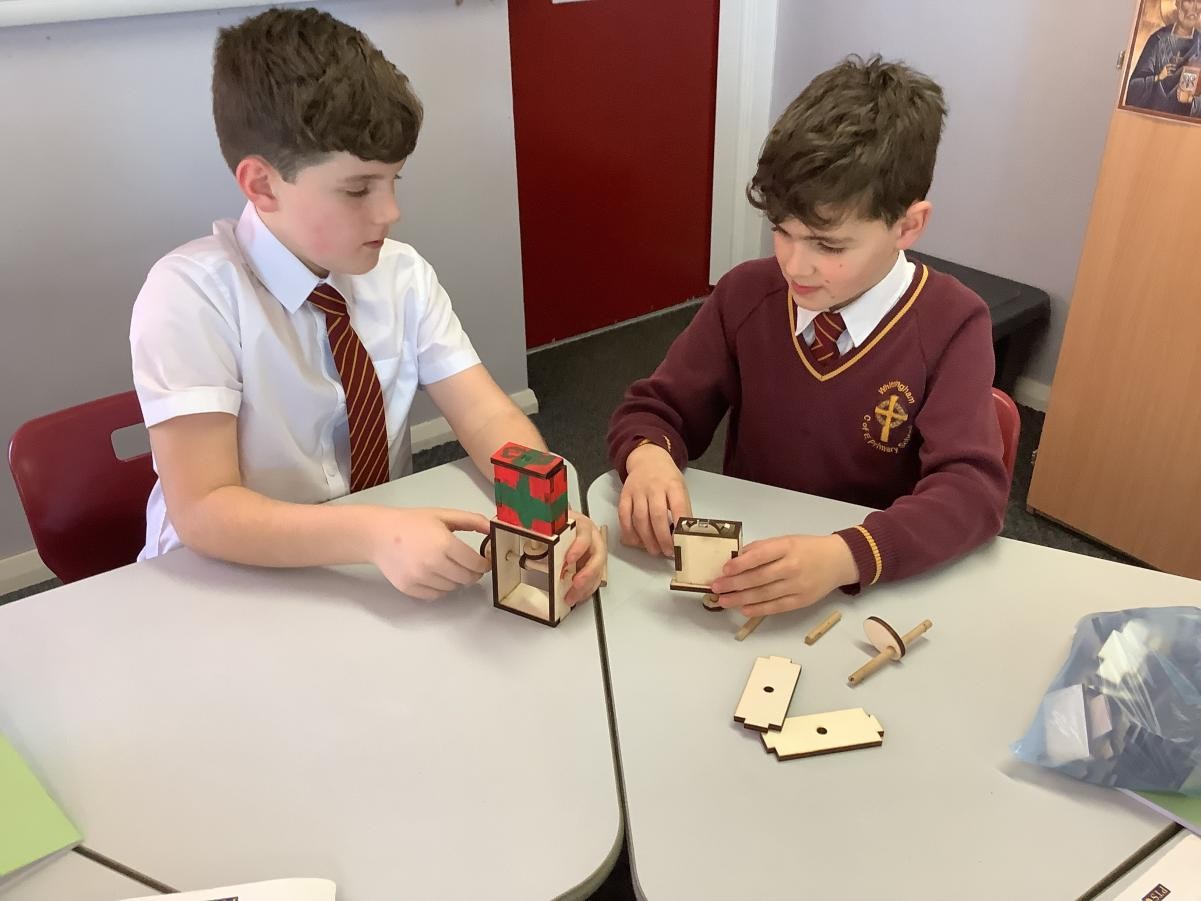
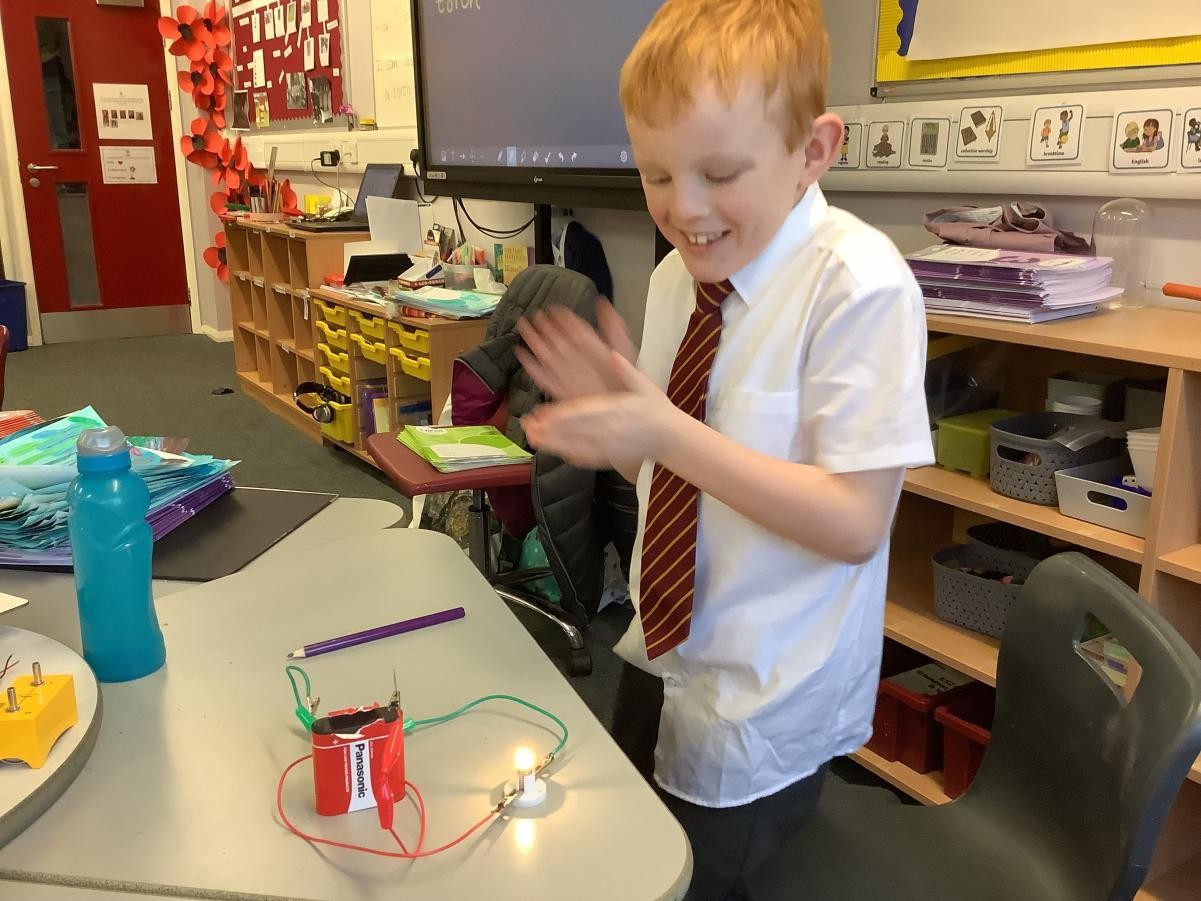
Design and Technology at Whittingham Church of England Primary School Intent At Whittingham Church of England Primary School, we believe Design and Technology provides children with the opportunity to become creative thinkers, confident problem solvers and innovative designers who can make a positive contribution to the world around them. Our intention is to provide an ambitious, practical and inspiring curriculum that enables children to develop the knowledge, understanding and skills needed to design, make and evaluate purposeful products for real-life contexts. We encourage children to be curious, resilient and reflective, recognising that designing is a process of testing ideas, learning from mistakes and continually improving outcomes. Children progressively develop their understanding of structures, mechanisms, textiles, food and nutrition and electrical systems, whilst learning how designers, engineers, architects, chefs and inventors have shaped our everyday lives. We place great importance on developing technical vocabulary, practical skills and the confidence to make informed decisions throughout the design process. Children learn to investigate existing products, generate and communicate ideas, select appropriate materials and tools, evaluate their work and consider how designs could be improved. Our Forest School programme is an integral part of our Design and Technology curriculum. Through regular outdoor learning experiences, children apply design skills in meaningful contexts by creating shelters, constructing models, designing and making using natural materials, solving practical problems and developing an appreciation of sustainable design. These experiences nurture independence, resilience and creativity whilst encouraging children to care for God's creation and the natural environment. Through Design and Technology, we encourage children to become kind, collaborative and courageous citizens who work effectively with others, persevere when faced with challenges and understand how thoughtful design can improve lives within our community and the wider world. Implementation Design and Technology is taught through a carefully planned curriculum that progressively develops children's knowledge, technical understanding and practical skills from the Early Years Foundation Stage to the end of Key Stage 2. Each unit follows the design process of investigating, designing, making and evaluating. Children revisit prior learning, build upon previously taught skills and develop increasing independence as they move through the school. Teachers explicitly teach the knowledge and vocabulary required for each unit before children apply their understanding through purposeful practical activities. Children are encouraged to think creatively, communicate their ideas through drawings, diagrams and prototypes, and make informed choices about materials, tools and techniques. Practical learning is at the heart of the curriculum. Children safely use a wide range of tools, equipment and materials, developing increasing accuracy, confidence and independence. Evaluation is embedded throughout each project, encouraging children to reflect upon their work, test ideas and identify improvements. Food technology enables children to understand healthy eating, nutrition, food preparation and hygiene whilst preparing and tasting a variety of dishes. Forest School provides rich opportunities for children to apply their Design and Technology learning beyond the classroom. Using natural resources and the outdoor environment, children develop practical construction skills, design solutions to real-life challenges and learn how materials behave in different conditions. These experiences strengthen teamwork, resilience, problem solving and environmental responsibility. Reading, mathematics and computing are naturally integrated where appropriate. Children read instructions, research products and designers, measure accurately, calculate dimensions, record ideas and use digital technology to support the design process. Teachers use questioning, observation and evaluation of practical outcomes to assess children's understanding throughout lessons. Misconceptions are addressed promptly and children are given opportunities to refine and improve their work. Assessment focuses upon both the knowledge children have secured and their ability to apply this knowledge independently. The curriculum is fully inclusive. Activities are carefully adapted so that every child, including those with SEND, can participate successfully whilst maintaining high expectations for all learners. Appropriate challenge enables children to think more deeply, justify design choices and develop increasingly sophisticated solutions. In the Early Years Foundation Stage, Design and Technology is developed through expressive arts, construction, role play and outdoor exploration. Children investigate materials, create models, solve simple problems and begin to understand how things are designed and made, providing strong foundations for future learning. The subject leader monitors the quality of teaching and learning through discussions with pupils and staff, reviews of planning and pupils' work, lesson visits and assessment information. This ensures continual development of the curriculum and consistently high expectations across the school. Impact Children leave Whittingham Church of England Primary School as confident, creative and reflective designers who understand how Design and Technology influences everyday life. They can investigate products, generate ideas, communicate designs, safely use tools and equipment, select appropriate materials and evaluate their work thoughtfully. They understand that successful design often requires resilience, collaboration, creativity and the willingness to improve ideas through testing and reflection. Children confidently use technical vocabulary, apply practical skills across different contexts and make meaningful links between Design and Technology and other curriculum subjects. Pupil voice demonstrates that children enjoy designing, making and solving practical problems. They value opportunities to learn both indoors and through Forest School, recognising how these experiences develop confidence, independence and teamwork. By the time they leave our school, our children are well prepared for the next stage of their education. They have developed the creativity, practical skills and resilience needed to become innovative thinkers and responsible citizens who understand the importance of designing sustainable solutions for their community and the wider world. |

This website uses Google Translate
You cannot use this feature without first accepting 3rd Party Cookies.
This website uses Google Translate
You cannot use this feature without first accepting 3rd Party Cookies.